

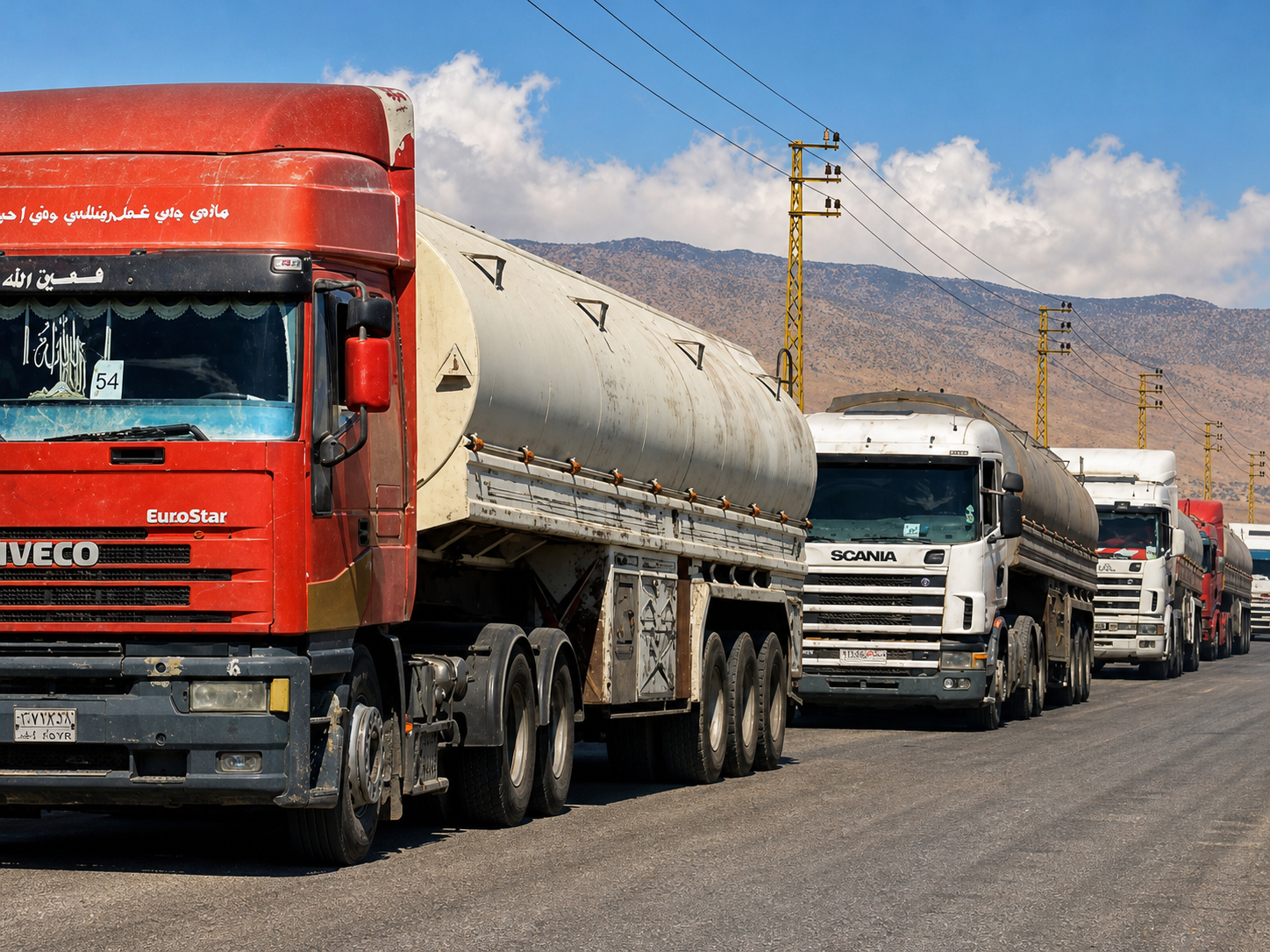
De facto customs authorities in western Herat province have intercepted and turned back 29 transport trucks carrying substandard petroleum and commercial goods at the Islam Qala border crossing, citing violations of national import quality standards.
According to local sources and provincial administrative reports, the rejected shipments were denied entry into Afghanistan and ordered returned to their countries of origin.
Breakdown of rejected cargo and imports
Provincial trade and quality control officials detailed the contents of the intercepted convoy, which spanned both fuel and consumer goods:
- Substandard Fuel Shipments: The bulk of the turned-back convoy consisted of automotive fuels, comprising eight trucks of gasoline and seventeen trucks of diesel that failed laboratory testing and technical specifications.
- Consumer and Construction Goods: Additional rejected cargo included one truck of sugar, two trucks of biscuits, and one truck of ceramic tiles.
- Quality Assurance Mandates: The Herat provincial administration stated that the rigorous screening measures are designed to protect consumer welfare, prevent the dumping of low-quality or expired merchandise, and enforce compliance with commercial standardization laws.
Enforcement challenges along western trade corridors
Islam Qala serves as one of Afghanistan’s primary commercial gateways for imports from neighboring Iran and broader regional markets:
- History of Fuel Rejections: Border authorities have periodically flagged and returned substandard fuel shipments due to concerns over engine damage, high pollution levels, and sub-par refining standards.
- Economic and Regulatory Scrutiny: While business communities generally support consumer protection, traders frequently call for transparent, predictable laboratory testing protocols to prevent arbitrary cargo rejections and supply chain delays at customs terminals.
De facto trade and commerce directorates have indicated that border inspections will remain strictly enforced across all official ports of entry to curb the influx of substandard commodities.