

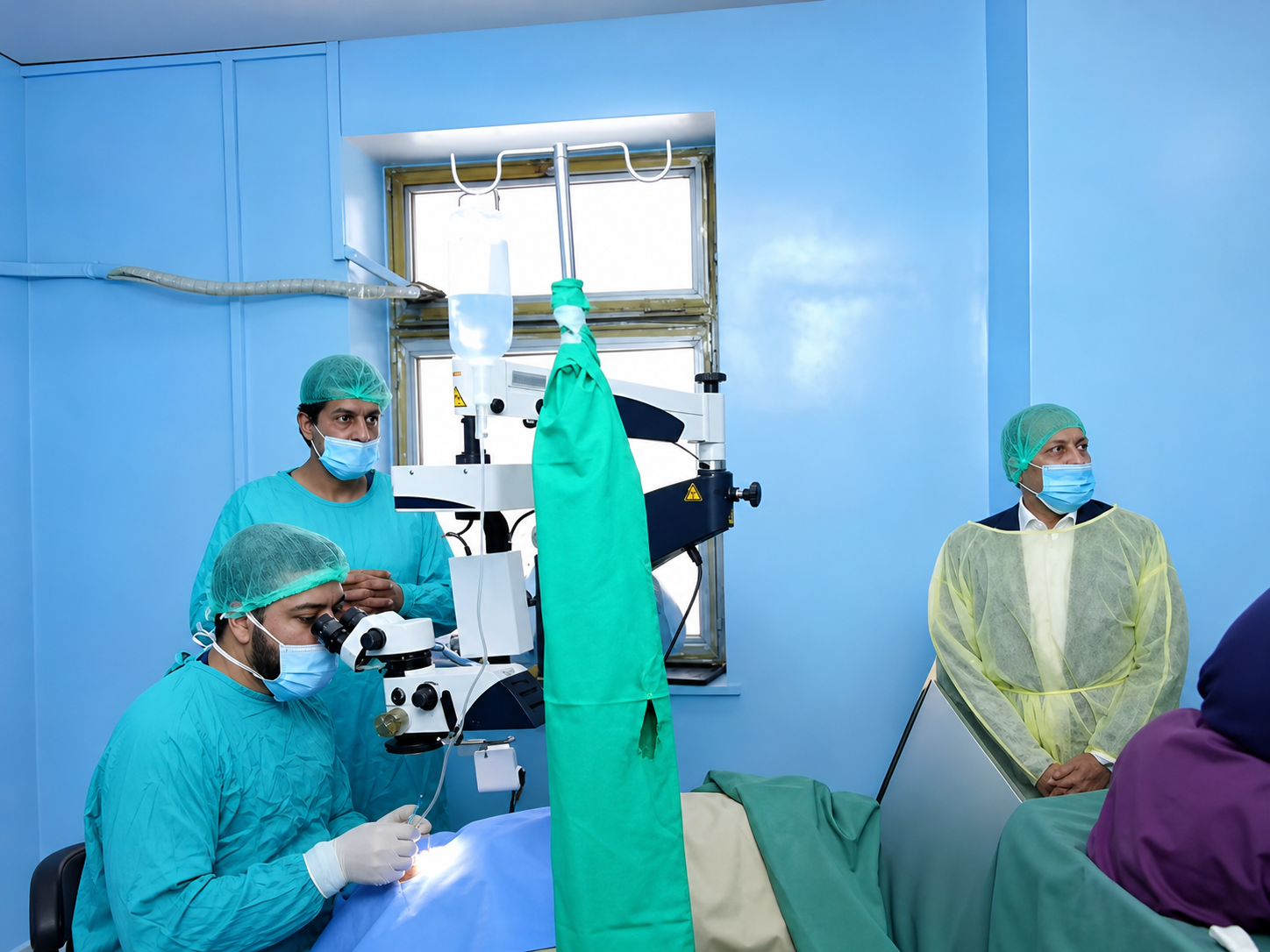
De facto authorities have ordered hospitals to suspend all corneal transplant surgeries across Afghanistan, ruling that the sight-restoring procedure violates Islamic teachings.
The verbal directive has effectively shut down a newly launched charitable initiative providing free medical care to low-income patients suffering from visual impairments caused by warfare, industrial accidents, and chronic eye diseases.
Disruption of Charitable Sight-Restoring Initiatives
The ban directly targets a specialized medical program launched in recent months in coordination with international medical networks, including the Association of Physicians of Pakistani Descent of North America (APPNA) and local healthcare centers in Kabul and Jalalabad:
- Suspension of Free Operations: The program provided donated corneal tissue and specialized surgical training to local doctors, successfully completing dozens of sight-restoring operations before receiving the shutdown order.
- Impact on Waiting Lists: Hundreds of registered patients—including individuals blinded by gas explosions, blast trauma, and industrial injuries—have had their scheduled surgeries abruptly canceled.
- Verbal Enforcement: Medical professionals at specialized eye facilities, such as Kabul’s Noor Eye Hospital, reported receiving verbal instructions from de facto health officials to cease all transplantation procedures immediately under threat of severe penalties.
Theological Debates and Public Health Strain
The decision to outlaw corneal transplants stems from broader rulings by the Ministry for the Propagation of Virtue and Prevention of Vice regarding human organ donations and body integrity. However, medical organizations and international Islamic jurisprudence bodies note that donor-based corneal procedures aimed at restoring bodily functions are widely permitted across the Muslim world when no commercial sale is involved.
Medical professionals warn that halting specialized ophthalmic procedures further degrades Afghanistan’s fragile healthcare infrastructure. With local capacity dismantled and travel for overseas treatment financially impossible for most citizens, hundreds of Afghan patients face permanent blindness.