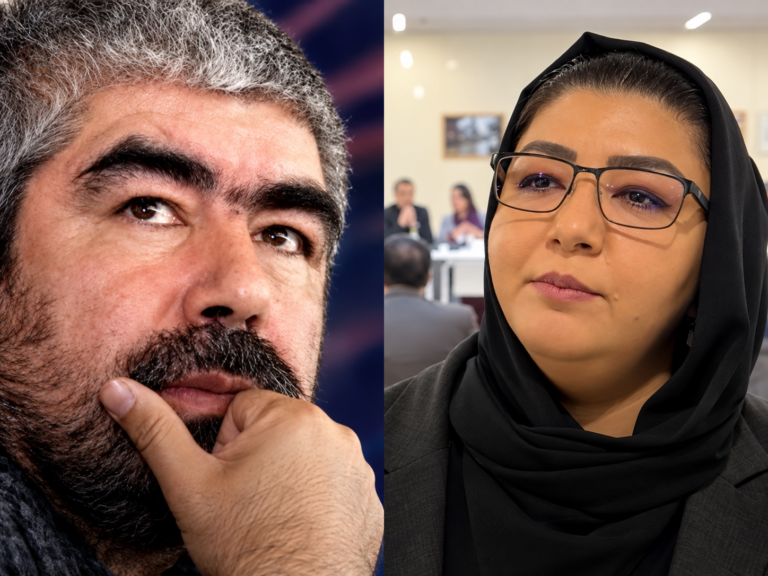
Habib Rahman Sayyaf has sharply criticized supporters of Taliban supreme leader Mullah Hibatullah Akhundzada in a post on the social media platform X, warning that unjustly accusing fellow Muslims of disbelief (takfir) is a grave sin and asserting that Islam cannot be reduced to political obedience toward a particular individual or faction.
In his commentary, Sayyaf pushed back against rhetoric that equates loyalty to Akhundzada or the Taliban movement with religious fidelity while portraying critics or opponents as outside the fold of Islam.
Theological boundaries and political authority
Sayyaf’s remarks highlight growing religious and political pushback against efforts to tether faith and orthodoxy directly to Taliban leadership:
- Warning Against Unjust Takfir: Sayyaf cautioned that branding Muslims as unbelievers without valid grounds constitutes a serious religious transgression, contesting hardline polemics used to delegitimize rivals and critics.
- Islam Beyond Faction or Leader: He argued that Islamic principles transcend political allegiance to any single leader or ruling group, rejecting attempts to turn partisan or administrative obedience into a test of faith.
- Pushback on Sacralized Authority: The intervention adds to a broader debate among Afghan political figures, analysts, and commentators who warn that framing dissent as religious disobedience or disbelief serves to shield authoritarian power from scrutiny and accountability.
Context amid heightened ideological assertions
Sayyaf’s post comes amid intensified controversy surrounding pro-Taliban clerical gatherings, new religious titles bestowed on Akhundzada, and statements by officials and loyalists portraying obedience to the emir as a religious obligation. Taliban authorities have not publicly responded to Sayyaf’s remarks.