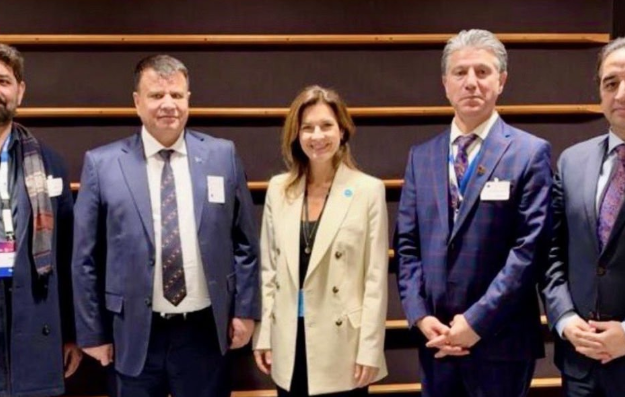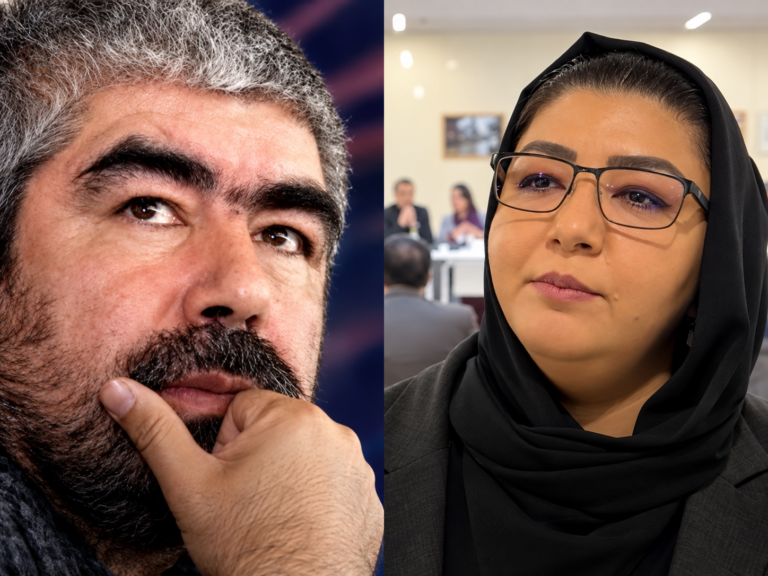
An international media monitoring organization, Reporters Without Borders, published its 2026 list of Press Freedom Predators, naming 33 heads of state, political figures, and regulatory entities accused of suppressing press freedom and systematically restricting independent journalism.
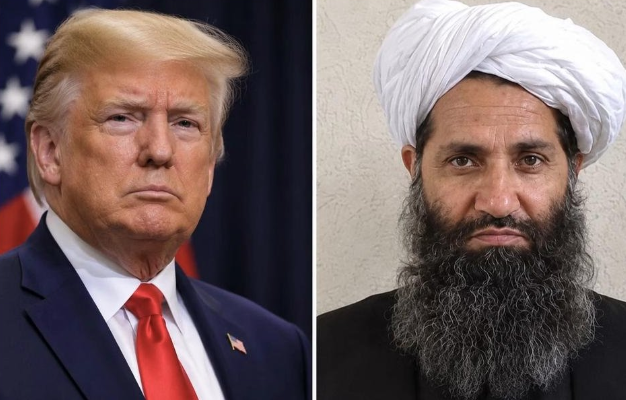
The newly released index features de facto supreme leader Hibatullah Akhundzada alongside US President Donald Trump, highlighting growing political pressures on media organizations and severe constraints on information access globally.
Systematic censorship and press restrictions in Afghanistan
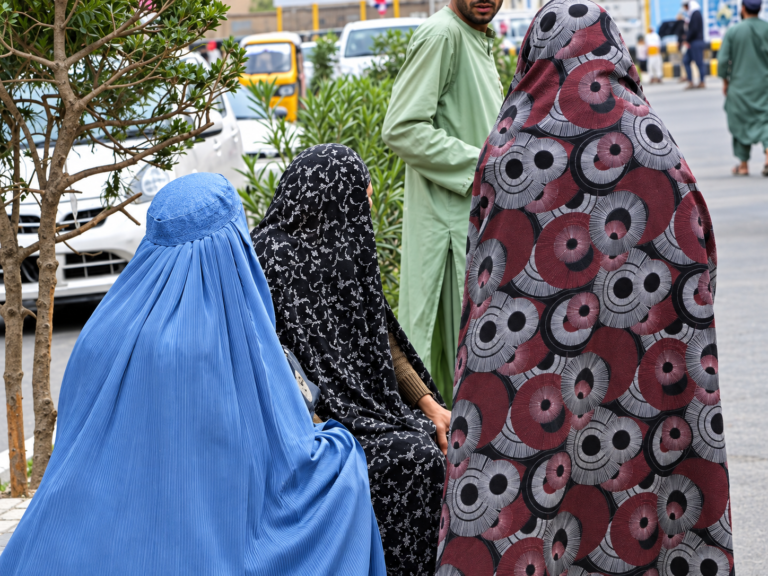
The monitoring group sharply criticized the de facto administration in Kabul for implementing comprehensive restrictions on independent news outlets and media personnel across Afghan provinces:
- Information Access Barriers: De facto authorities have routinely barred domestic and foreign journalists from government press conferences, institutional briefings, and access to public records.
- Directives Against Independent Outlets: Severe administrative decrees continue to ban broadcasting content deemed critical of official policy, leading to the closure of local radio stations, TV channels, and news bureaus.
- Arbitrary Detentions and Intimidation: Media workers face escalating surveillance, arbitrary detentions, and threats from intelligence personnel, forcing scores of journalists into exile or self-censorship.
Criticism of US administrative media access restrictions
The international report also detailed growing press freedom challenges within the United States, pointing to policies that limit media access and weaponize administrative mechanisms against news agencies:
- Restrictions on Official Access: The watchdog cited an intensified policy of revoking press credentials, barring specific news organizations from executive briefings, and limiting access to federal institutions.
- Institutional and Funding Cuts: The organization highlighted legislative and executive decisions to reduce funding for state-supported international broadcasters, severely constraining independent global reporting networks.
- Rhetoric Against Journalists: Repeated public attacks on independent news outlets have normalized hostility against reporters and eroded public trust in press freedom, setting a harmful precedent globally.
Escalating global threats to independent journalism
Rights advocates and press freedom monitors warn that the inclusion of political leaders from both authoritarian regimes and democratic nations reflects a dangerous global deterioration of media independence.
The report concludes that without urgent international action to protect journalists, safeguard legal frameworks, and ensure unhindered public access to information, global press freedom will face unprecedented structural decline.