

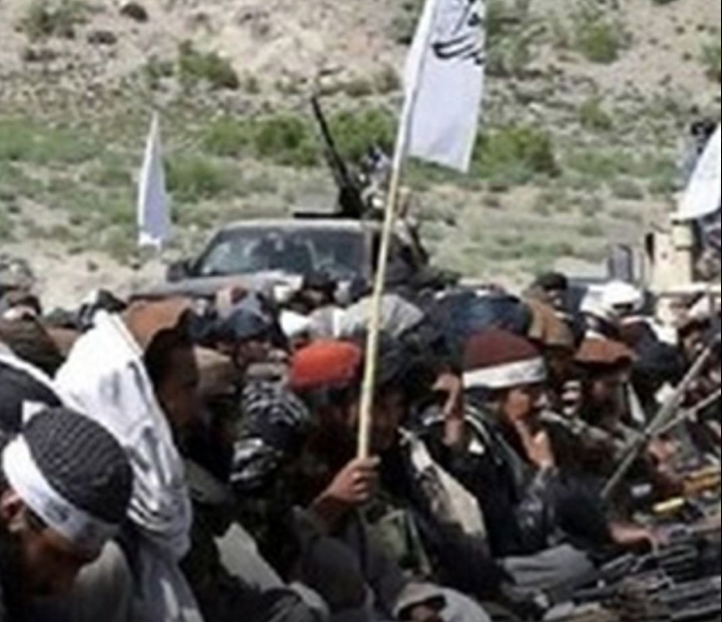
Five years after the Taliban’s return to power in Kabul, the country’s internal conflict is undergoing a significant strategic shift. What initially began as localized skirmishes confined to Afghanistan’s traditional northern strongholds has gradually expanded into a widespread multi-province armed opposition, presenting serious administrative and operational challenges for the de facto regime.
The reorganization of former Afghan National Security Forces (ANSF) personnel has added tactical sophistication to emerging opposition fronts. Trained military veterans and local commanders are increasingly coordinating low-intensity strikes, guerrilla raids, and targeted operations across eastern, central, and southern provinces, dismantling the regime’s long-standing narrative of absolute territorial control.
This expanding footprint reflects a fundamental failure of governance and security management under the current administration. Rather than establishing inclusive state institutions or securing long-term political stability, the regime’s reliance on coercive tactics and administrative centralization has alienated local communities, creating persistent social unrest and fertile ground for organized resistance.
For neighboring states, particularly Pakistan, the continuous growth of anti-regime resistance and armed turmoil inside Afghanistan poses vital cross-border security concerns. Unchecked domestic instability and fragile border oversight threaten regional counter-terrorism efforts, economic corridors, and broader South Asian peace.
International observers emphasize that durable stability cannot be achieved through media blackouts or authoritarian control. Without structural governance reforms and genuine political inclusivity, the expanding geographic reach of armed opposition will continue to weaken the regime’s authority and destabilize the surrounding region.