

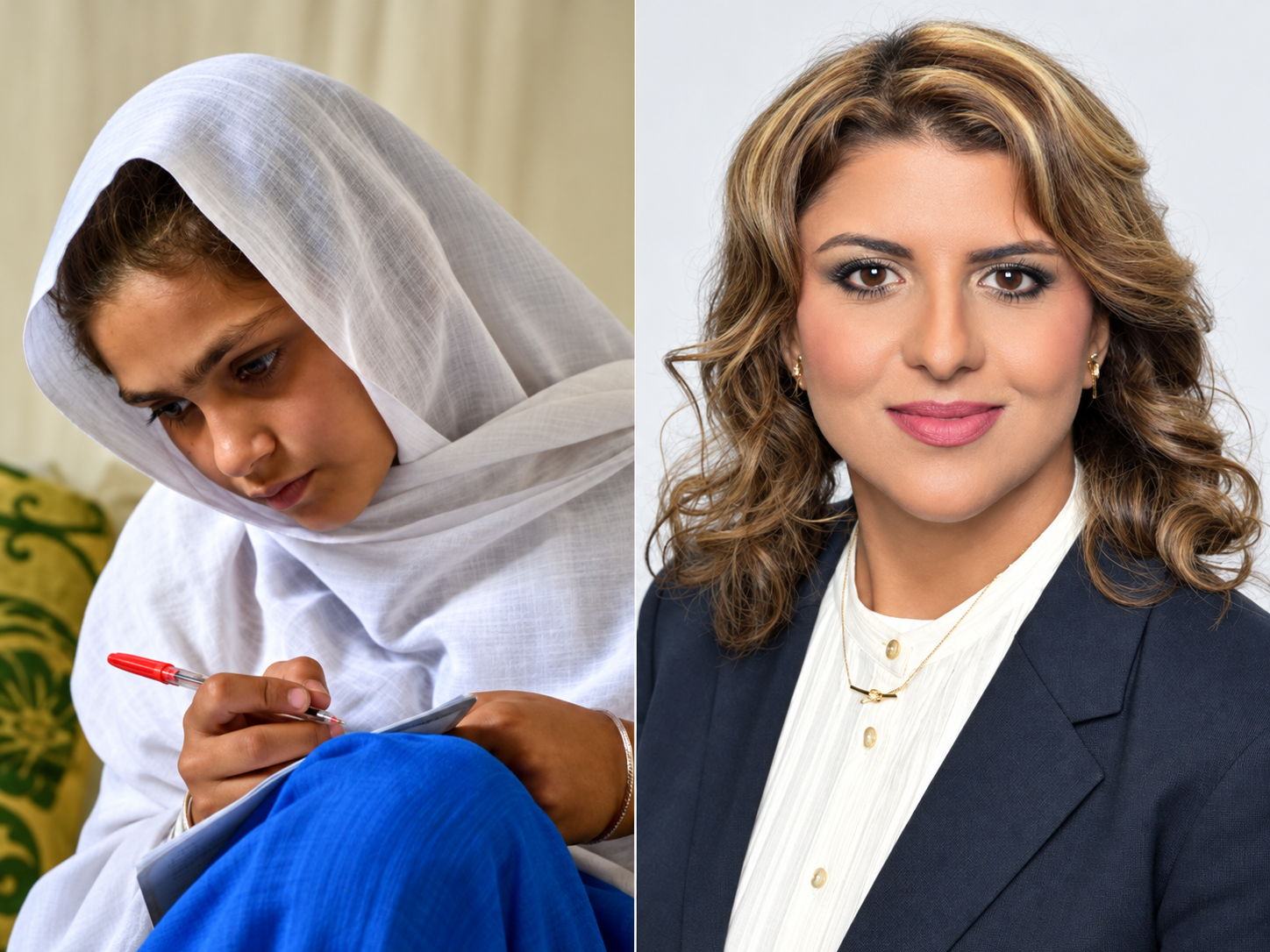
FRANKFURT / PESHAWAR — Hosai Ander, a member of Frankfurt’s municipal council and an Afghan women’s rights activist, has said that depriving women of their rights constitutes a form of violence and called for an end to all violence against women across Afghanistan, Germany, Europe, and worldwide.
Speaking on November 25, the International Day for the Elimination of Violence Against Women, Ander—also known in Frankfurt council records as Hosai Zarif-Ander—stated that women make up half of society and underpin progress while continuing to confront violence, discrimination, and injustice globally.
Key points from Ander’s remarks
Local sources and accounts of Ander’s November 25 statement highlight her focus on both Afghan women’s rights and violence against women in Germany:
- Rights Deprivation as Violence: Ander said denying women their fundamental rights is itself a form of violence and emphasized that all forms of violence against women must end.
- Education, Work, and Autonomy in Afghanistan: Pointing to Afghanistan, she said shutting schools to girls and blocking women from work and education tramples their rights, urging that school doors reopen and women be guaranteed work, education, and an independent life.
- Figures Cited on Germany: Ander noted incidents of violence against women and girls in Germany, citing 342 women and girls killed there in 2025—an average of nearly one per day.
- Safety and Self-Determination: She stated that women and girls have the right to live safely and shape their own futures, calling for those protections to be upheld in Germany, across Europe, and globally.
Broader context of the November 25 observance
November 25 marks the United Nations’ International Day for the Elimination of Violence Against Women and launches the annual 16 Days of Activism Against Gender-Based Violence campaign, which runs through December 10. In 2026, rights advocates and international agencies have continued to highlight severe restrictions on Afghan women and girls—including bans on secondary and higher education, limits on employment and public movement, and shrinking support services—alongside ongoing efforts to address gender-based violence internationally.