

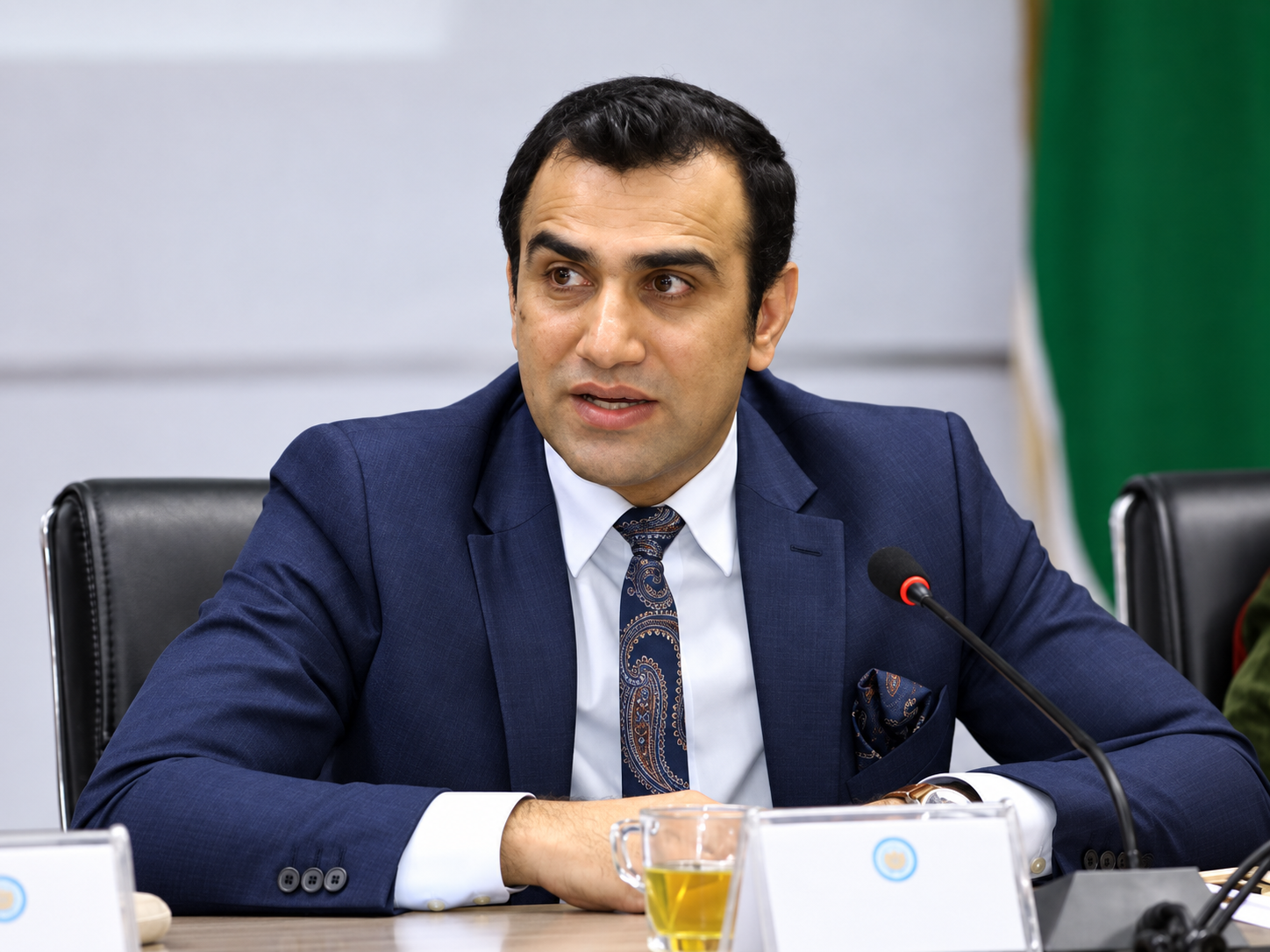
Ismail Miakhel, former head of Afghanistan’s National Radio and Television (RTA) under the former republic, has sharply criticized Taliban supreme leader Mullah Hibatullah Akhundzada’s recent address in Kabul, asserting that Afghans’ dispute with the group is not over government positions, but over fundamental rights and the country’s future.
In a written response addressing Akhundzada’s remarks at a clerical gathering at Kabul University, Miakhel rejected attempts to portray opposition to Taliban policies as a bid for power, declaring that “Afghanistan is not one person’s private property, to impose his will on millions of Afghans.”
Challenging moral authority and political monopoly
Miakhel’s critique targeted both the Taliban leadership’s framing of political participation and its claims to religious and moral authority:
- Rights Over Power-Sharing: Emphasizing that former officials and citizens have repeatedly stated they seek nothing for themselves, Miakhel wrote that demanding a nation’s rights cannot be discredited as a struggle for seats, adding that no one has the right to trade away citizens’ freedoms or girls’ education in exchange for personal posts.
- Questioning Claims on the Sanctity of Blood: Referring to years of insurgency, suicide attacks, and simultaneous negotiations with the United States, Miakhel questioned by what moral authority the Taliban leadership now speaks of the sanctity of Muslims’ blood, noting that “Afghans’ blood was sacred even when you used it as a path to power.”
- Accountability Over Blind Obedience: Miakhel stressed that self-congratulatory conferences and newly bestowed titles cannot erase the loss of thousands of innocent Afghan lives, calling on Taliban clerics to account for their actions rather than demand unquestioning obedience.
Broadening pushback against Kabul University messaging
Miakhel’s statement adds to widespread criticism from former officials, political parties, and Afghan diplomats following the multi-day clerical conference at Kabul University, where de facto authorities sought to project ideological unity and frame administrative roles around loyalty to Akhundzada’s decrees.