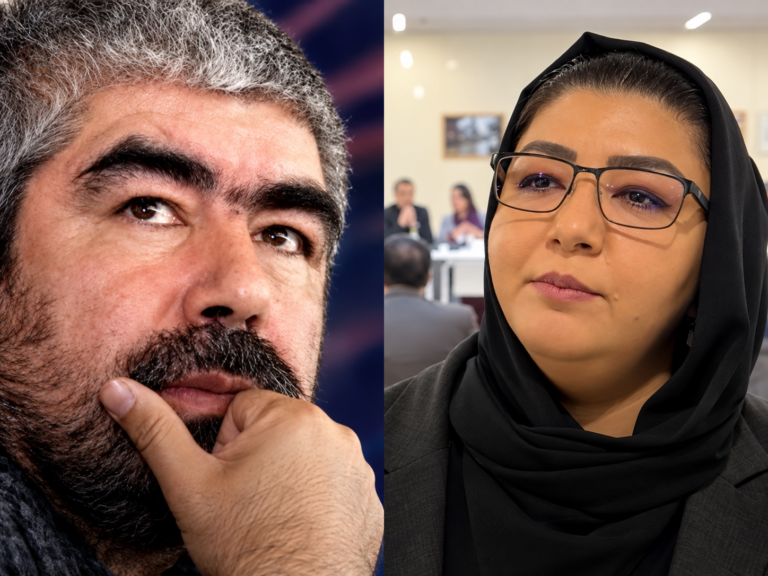
Former Afghan provincial governor Halim Fidai has characterized recent statements by Taliban Interior Minister Sirajuddin Haqqani as clear evidence of deepening divisions at the highest levels of the de facto administration.
Fidai warned that unless Haqqani translates his veiled criticism into concrete political action, Taliban supreme leader Mullah Hibatullah Akhundzada is likely to move preemptively and remove him from his cabinet post.
Haqqani’s veiled critique of centralized power
Fidai’s analysis responds to comments made by Sirajuddin Haqqani urging Taliban officials to focus on resolving citizens’ everyday hardships rather than offering flattery to Hibatullah. During his remarks, Haqqani pointed to several growing friction points within the movement:
- Alienation Through Force: Haqqani cautioned that enforcing decrees purely through coercion without public awareness fuels public resentment and alienates the population from the administration.
- Concentration of Authority: He noted that the authority to issue religious edicts, shape political policy, and control major state resources remains heavily concentrated in Hibatullah’s hands, emphasizing that political positions only carry meaning when they yield practical results for the people.
Symbolism of the “Sheikh al-Islam” title at Kabul University
Commenting on the two-day gathering of Taliban clerics and supporters at Kabul University—where participants formally bestowed the honorific title of “Sheikh al-Islam” upon Hibatullah—Fidai suggested the move represents a strategic effort by the supreme leader’s circle to consolidate authority and preempt internal challenges.
According to Fidai, the high religious title was conferred despite objections from the interior minister, signaling an attempt by Hibatullah to solidify his unassailable religious and political standing before rivals can mount organized opposition.
Concluding his assessment, Fidai emphasized that Afghanistan does not belong to a single individual or faction, asserting that lasting stability depends on building a political order grounded in the will, rights, and participation of all Afghan citizens.