

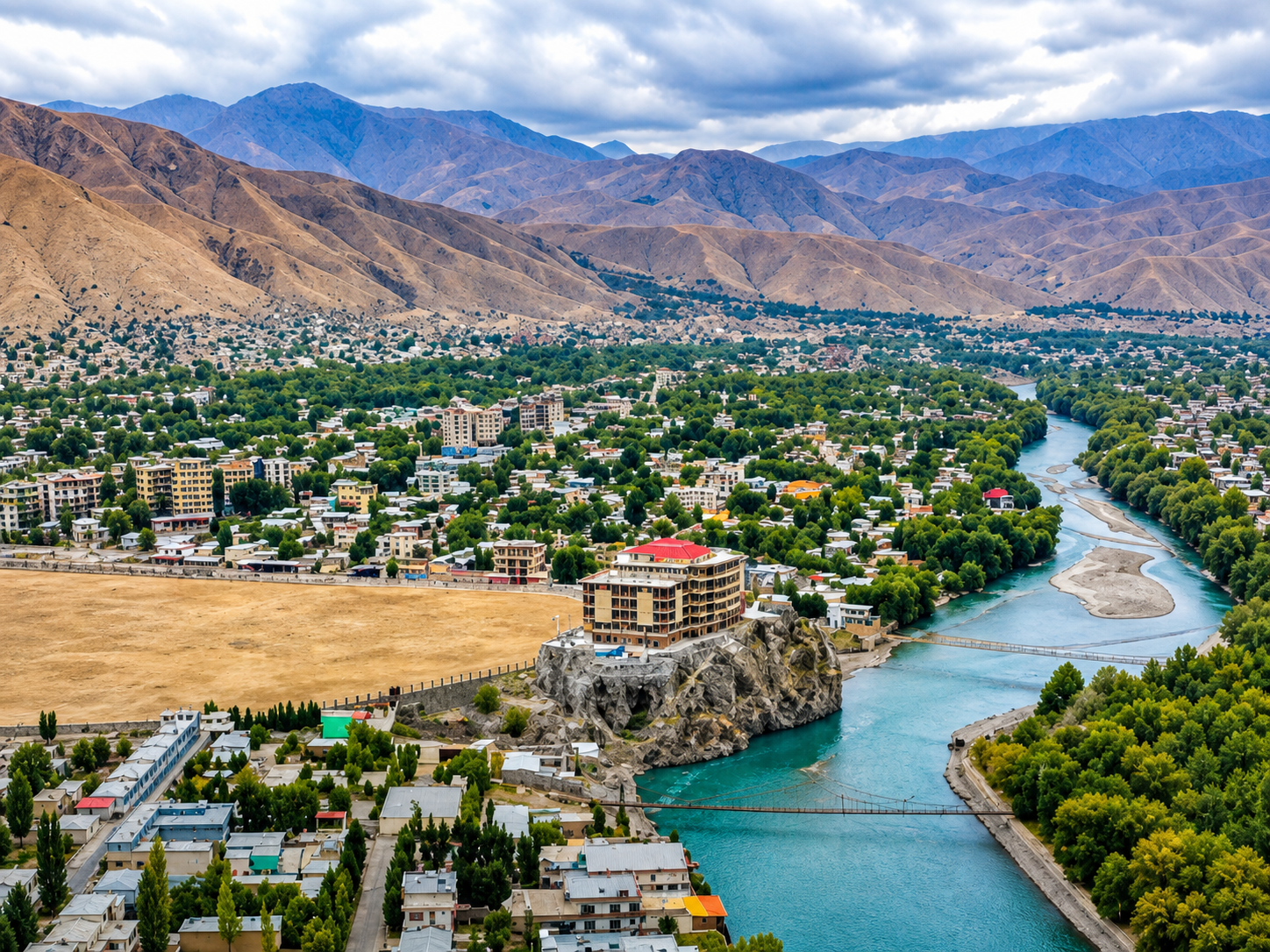
The fragile security landscape in northern Afghanistan came under renewed scrutiny following a targeted explosion in the city of Fayzabad, located in Badakhshan province. The blast, which rocked the area early in the morning, has once again highlighted the growing internal challenges facing the de facto administration as armed opposition groups intensify their campaign against Taliban authority.
According to official statements released shortly after the incident, the Freedom Front of Afghanistan (AFF) quickly claimed responsibility for the attack. The anti-Taliban armed faction asserted that its fighters successfully targeted a vehicle carrying Taliban personnel, resulting in multiple casualties among the ranks, including the reported death of a local commander. However, the narrative on the ground remains deeply contested.
Taliban security officials confirmed that an explosion did indeed take place in the city, but presented a diverging account of the event. Local administration spokespersons maintained that the blast was caused by explosives concealed near a civilian vehicle, injuring local residents rather than military personnel. Despite these official reassurances, local sources and residents corroborated that security disruptions and subsequent crackdowns have heightened tension across the provincial capital.
This latest incident in Badakhshan underscores a broader, persistent trend of deteriorating law and order in regions far removed from the capital. As armed opposition movements continue to test the limits of Taliban security apparatuses, the recurring cycle of blasts and skirmishes points to a deepening governance crisis. For regional observers, the unfolding situation in northeastern Afghanistan demonstrates that internal dissent and violent resistance remain potent threats to the regime’s claims of total stability.