

By Dr Muhammad Shahid
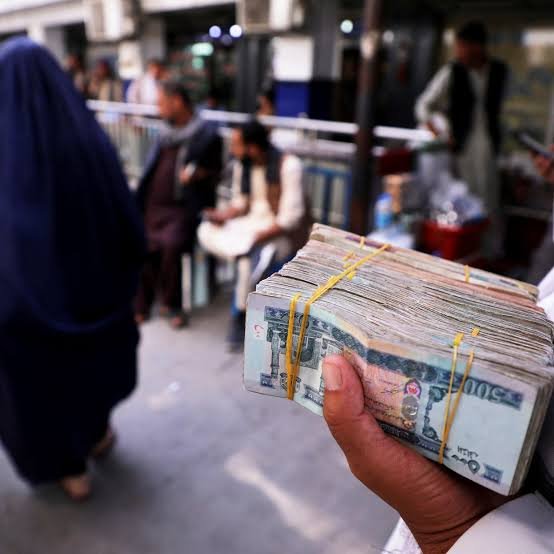
KABUL — The cumulative weight of draconian fiscal policies, heavy-handed revenue collection, and a catastrophic contraction of citizen purchasing power has pushed Afghanistan’s commercial sector into a severe structural slump.
Across multiple provinces, medium-scale enterprises, manufacturing plants, and retail storefronts are being systematically crushed by an unsustainable economic environment under Taliban rule.
Reports from regional markets highlight a grim daily reality: commercial licenses are being surrendered in droves as traders choose to shutter operations entirely rather than accumulate insurmountable debt. In provinces such as Paktika, local finance directorate sources confirm that an average of five business licenses are formally canceled every single day as merchants bring their commercial ventures to a grinding halt.
The anatomy of ommercial collapse
The ongoing commercial crisis is fueled by a destructive dual pressure: predatory tax burdens juxtaposed against a hollowed-out consumer market.
- The tax trap: While the regime previously touted nominal exemptions for smaller enterprises—such as supposed reprieves for businesses with annual sales under two million Afghanis—traders report that these measures exist solely on paper. In practice, arbitrary, aggressive, and exorbitant tax collection continues unabated, squeezing shopkeepers and producers regardless of their actual turnover.
- Overhead vs. zero revenue: Enterprise owners face fixed, unavoidable operational costs—including exorbitant property rents, worker wages, and utility expenses—while consumer foot traffic has plummeted. With retail sales failing to cover basic overhead, business owners are depleting their remaining capital reserves just to stay afloat.
As one local manufacturer noted, the choice to halt operations has become a desperate measure of self-preservation to avoid complete financial ruin.
The humanitarian and economic spiral
This commercial paralysis does not occur in a vacuum; it is directly mirrored by a severe collapse in household purchasing power. Recent data released by the World Food Programme (WFP) underscores the depth of the crisis, revealing that the purchasing power of unskilled workers has plummeted by roughly 25 percent compared to the previous year, and by nearly 30 percent against the three-year average.
When daily wage earners and ordinary citizens lack basic disposable income, retail demand evaporates. This creates a vicious cycle: falling consumer demand starves businesses of revenue, while aggressive state taxation extracts the last drops of liquidity from the market.
Regional repercussions and the path forward
The systemic dismantling of Afghanistan’s domestic commercial base carries profound security and demographic implications for the wider region. As domestic employment opportunities vanish and local markets contract, economic desperation deepens the humanitarian emergency, accelerating irregular migration and placing additional strain on neighboring countries.
Without rationalized fiscal reforms, an end to predatory taxation, and an economic framework that prioritizes commercial viability over arbitrary extraction, Afghanistan’s remaining private sector faces total collapse—leaving behind an absolute economic wasteland devoid of enterprise or opportunity.