

A comprehensive new report released by the United Nations Assistance Mission in Afghanistan (UNAMA) has laid bare the enduring physical, psychological, and socioeconomic scars left by decades of armed conflict, revealing that thousands of victims and their families remain largely deprived of justice, adequate support, or formal recognition of their suffering.
Based on in-depth interviews with 195 conflict survivors and their relatives, the assessment primarily examines the period from 2001 until the Taliban’s return to power in August 2021. The findings point to an overwhelming human toll: 95 percent of respondents reported suffering from long-term emotional and psychological trauma, including depression, anxiety, and post-traumatic stress symptoms, while more than half (58 percent) live with chronic physical injuries or disabilities.
The report also underscores the profound structural barriers obstructing access to justice and reparations. More than half of the victims surveyed never attempted to seek formal redress, citing fear of reprisals or a lack of faith in institutional accountability. Among those who did pursue assistance, 64 percent reported failure due to bureaucratic opacity, administrative indifference, and a severe lack of transparent recourse mechanisms.
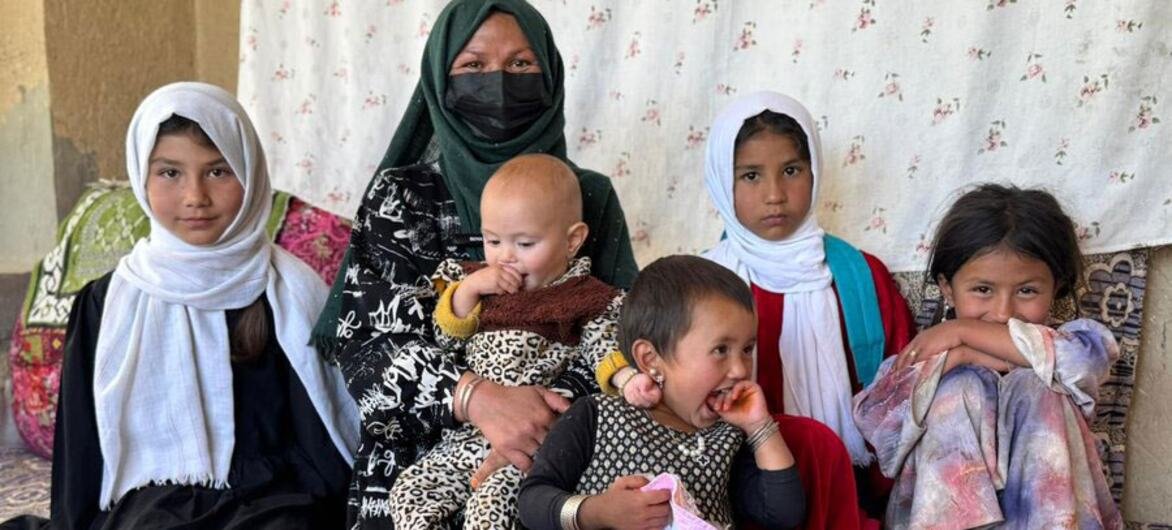
This precarious situation is compounded for women and war widows, whose socioeconomic vulnerability has intensified under the sweeping restrictions imposed by the de facto authorities, drastically curtailing their access to employment and independent means of survival.
In light of these findings, UNAMA has urged the international community and all relevant stakeholders to place the rights and needs of victims at the forefront of policy frameworks, calling for comprehensive psychosocial support, financial reparations, and robust transitional justice measures to break the cycle of impunity and neglect.