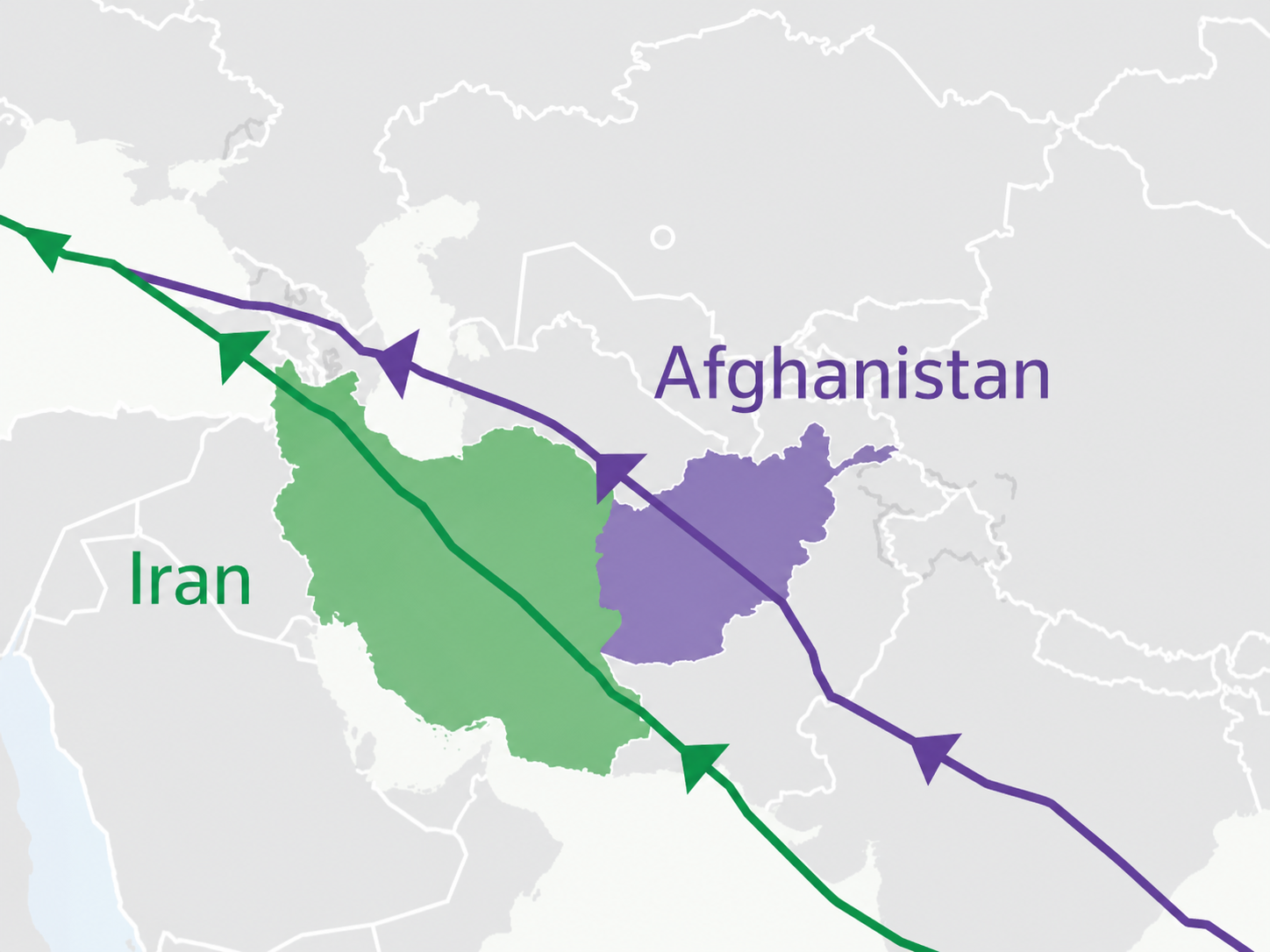
Airlines transiting the Kabul Flight Information Region (FIR) face stringent operational protocols and overflight charges while navigating airspace that remains classified as uncontrolled.
According to updates from aviation risk and flight operations group Opsgroup, aircraft intending to cross Afghan airspace must secure permission at least 48 hours prior to departure and pay a flat fee of $700 USD per flight.
Absence of en-route air traffic control and pilot reliance on TIBA
Following the withdrawal of international forces and the collapse of the former government in August 2021, radar coverage and en-route Air Traffic Control (ATC) services were suspended across the country:
- Uncontrolled Airspace Classification: International civil aviation authorities classify the Kabul FIR as uncontrolled airspace, where Ground Radar and radar separation services along airways are non-operational.
- Traffic Information Broadcast by Aircraft (TIBA): Operating crews are required to rely on self-separation procedures by broadcasting their flight parameters, positions, and operational intentions over a designated VHF radio frequency.
- Mandatory Flight Spacing: Flight crews must maintain strict lateral and temporal buffers, retaining a minimum spacing of 15 minutes behind preceding aircraft operating at the same altitude level.
Overflight revenues and transit rerouting dynamics
Despite safety concerns and lack of ATC support, overflights through Afghanistan have increased as global carriers seek efficient transit routes:
- Direct Overflight Revenue: The $700 overflight fee provides a vital source of foreign currency revenue for the de facto Civil Aviation Authority (ACAA).
- Strategic Transit Corridor: Many international airlines continue to utilize Afghan airspace corridors to shorten flight times and optimize fuel burn between Europe, the Middle East, and South Asia amidst wider regional airspace closures.
- Regulatory Caution: Major aviation regulatory agencies—including the U.S. FAA and European EASA—maintain cautious advisories, requiring operators to conduct comprehensive risk assessments before approving overflight routes.
Aviation analysts note that while de facto authorities continue collecting overflight tariffs, restoring full international civil aviation standard ATC capabilities requires significant technical re-investment, radar infrastructure repair, and international certification.