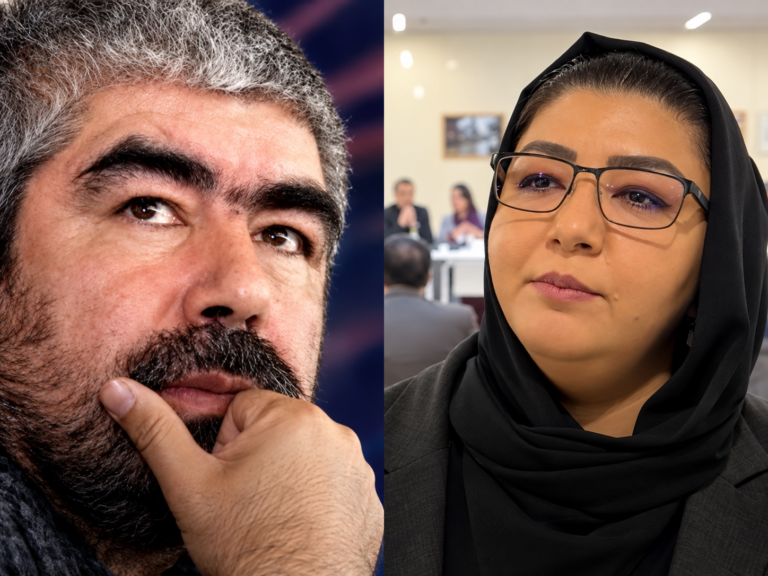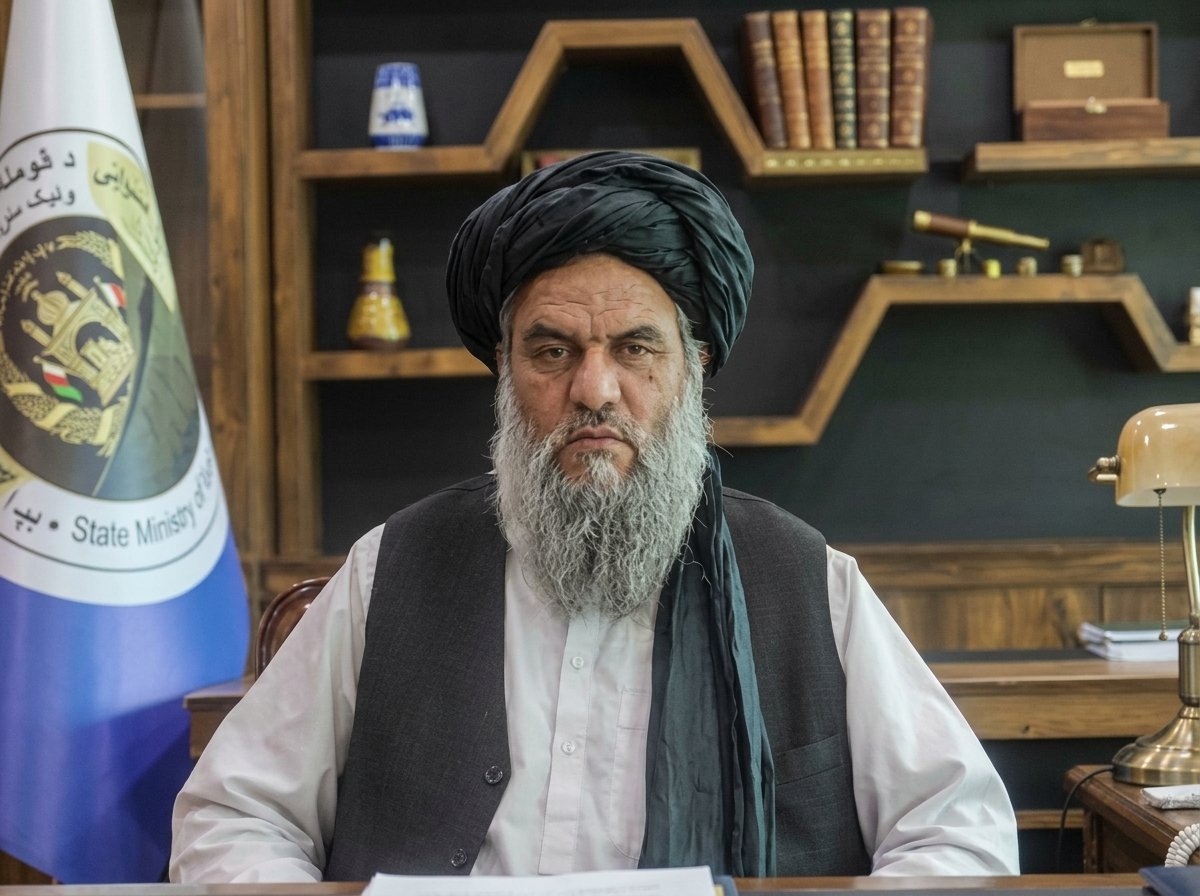
In an op-ed published by civil activist Parwiz Akbar Nusrati, de facto officials have come under sharp criticism for their public messaging during the unveiling of the text The Creed of Ahl al-Sunnah wal-Jama’ah, attributed to de facto Supreme Leader Hibatullah Akhundzada.
Nusrati characterizes the regime’s rhetoric as an ongoing demonstration of institutional hypocrisy, contrasting their rigid ideological declarations against severe socioeconomic hardship and selective security policies.
Rhetorical priorities versus economic collapse
The op-ed highlights statements made during the promotional assembly for the leadership’s religious treatise:
- Prioritizing Dogma Over Livelihoods: Nusrati points out that official declarations ranking religious enforcement above economic stability ignore the reality of millions of Afghans living below the poverty line.
- Demand for Total Obedience: The text and associated speeches demand absolute submission to the regime’s leader, framing compliance as a religious duty while deflecting accountability for systemic administrative failures.
- Selective Moralizing: The activist emphasizes the contradiction between public moral policing and the regime’s ongoing administrative purges, financial mismanagement, and arbitrary detentions.
Instrumentalizing the plight of former partners
Nusrati further addresses the predicament facing former Afghan contractors and staff who served alongside international forces prior to August 2021:
- Exploitation of Vulnerability: While de facto officials occasionally leverage stories of abandoned Afghan partners to criticize foreign evacuations, local authorities continue to target, monitor, and detain former security and civilian personnel.
- Absence of Real Protection: Despite public decrees regarding general amnesties, civil rights monitors consistently record extrajudicial detentions and harassment directed at individuals connected to the former administration and international organizations.
Civic organizations and political analysts contend that substituting governance obligations with dogmatic literature fails to resolve Afghanistan’s isolation or address the worsening humanitarian crisis across urban and rural provinces.