

By Dr Muhammad Shahid
For generations, the strategic map of South and Central Asia has been drawn around a single, stubborn bottleneck. Whether through the winding passes of Khyber or the dusty gateways of Chaman, Afghanistan was long cast as the indispensable land bridge connecting landlocked Central Asia to the warm waters of the Arabian Sea. To many in Islamabad, this geographical reality felt less like an advantage and more like a recurring vulnerability—a chokepoint that granted Kabul outsized transit leverage, frequently wielded as a political lever during moments of bilateral friction.
Yet, treating Balochistan and Afghanistan as separate geopolitical puzzles misses the deeper architecture of the region. Historically, both territories formed the twin pillars of the 19th-century Great Game, serving as contiguous buffers and corridors of imperial ambition. Today, in a vastly altered global order, viewing Balochistan in isolation from the security and economic currents sweeping across Afghanistan obscures the true nature of regional stability. They are not isolated flashpoints; they are two halves of a single, indivisible strategic theater.
1. The Unbroken Frontier: Militant Convergence and Shared Sanctuaries
You cannot draw a neat line on a map and expect instability to respect the ink. The primary reason Balochistan and Afghanistan must be analyzed as an integrated continuum lies in the evolving nature of cross-border militancy. Following the political shifts in Kabul in 2021, the borderlands between Pakistan and Afghanistan have increasingly functioned as a shared ecosystem for violent non-state actors.
Pragmatic Convergence: While groups like the Tehrik-i-Taliban Pakistan (TTP) and ethno-nationalist factions such as the Balochistan Liberation Army (BLA) operate from fundamentally different ideological playbooks, strategic assessments highlight an emerging, opportunistic convergence. Bound by a shared hostility toward the Pakistani state, these networks have demonstrated tactical coordination across weapons acquisition, illicit arms flows, mutual propaganda amplification, and shared operational spaces.
The Sanctuary Dilemma: International monitoring reports and security analyses continue to underscore that cross-border sanctuaries inside Afghanistan complicate domestic stabilization efforts. When militant networks find breathing room across the Durand Line, localized counter-insurgency efforts inside Balochistan or Khyber Pakhtunkhwa face an uphill battle against a threat that can retreat, regroup, and resupply across an international frontier.
Lasting peace requires confronting a simple, non-negotiable truth: terrorist sanctuaries and regional prosperity cannot coexist. As long as cross-border militancy remains unaddressed, traditional trade arteries—evidenced by repeated, costly closures at Torkham and Chaman and a sharp contraction in bilateral trade—will remain hostage to security crises.
2. Redrawing the Map: Bypassing the Chokepoint
While security threats bind Afghanistan and Balochistan together in shared vulnerability, bold geo-economic statecraft is actively untethering Pakistan’s regional connectivity from Afghan transit dependency. Faced with an uncooperative border environment and persistent security risks, Islamabad has moved decisively to transform a strategic liability into a multi-directional gateway.
By operationalizing alternative overland routes through Iran and China, Pakistan has effectively bypassed the Afghan bottleneck to link Central Asian markets directly to its southern coastline:
The Western and Northern Arcs: The activation of commercial transit corridors utilizing upgraded border terminals along the Pakistan-Iran frontier alongside high-altitude logistics hubs like the Sost Dry Port on the Chinese border has opened reliable, institutional pathways for Central Asian economies.
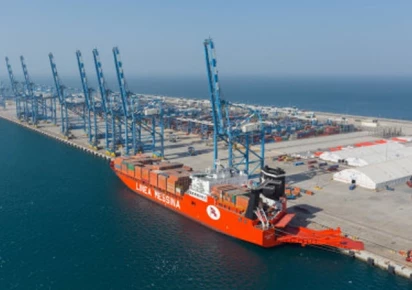
Gwadar as the Eurasian Fulcrum: These realigned trade routes elevate Gwadar Port into its intended role as the beating heart of regional commerce. Positioned strategically along the Arabian Sea, outside the immediate maritime chokepoints of the Persian Gulf, Gwadar offers landlocked nations like Uzbekistan and Kyrgyzstan a secure, multi-modal outlet to global shipping lanes.
The Cost of Isolation: This infrastructural pivot carries a profound message for Kabul. By proving that regional commerce can flow smoothly without crossing Afghan soil, neighboring states are signaling that they will no longer allow their economic integration to be held ransom by unresolved militancy. If Afghanistan fails to dismantle cross-border terrorist networks, it risks permanent economic marginalization as global trade corridors solidify around more stable, maritime-linked alternatives.
3. Toward an Integrated Vision of Statecraft
Viewing Balochistan merely through the prism of localized security flare-ups—or treating Afghanistan solely as a diplomatic headache—leads to fragmented, reactive policymaking. Pakistan’s southwestern province sits at the exact intersection of Eurasia’s most ambitious connectivity projects and its most persistent asymmetric threats.
Securing this vital frontier demands a holistic, forward-looking doctrine:
Treat the Western Frontier as One Theater: Security strategy, border governance, and intelligence coordination must address the Afghanistan-Balochistan continuum as a single, interconnected operational space rather than compartmentalized zones.
Anchor Stability in Shared Prosperity: Cementing Pakistan’s role as an indispensable transit hub ensures that regional partners—from Central Asia to China and the Gulf—hold a direct economic stake in the security and success of Balochistan and Gwadar.
Pair Connectivity with Accountability: Regional trade and transit diplomacy must remain firmly anchored to verifiable counter-terrorism commitments. Economic integration thrives on trust, and trust cannot take root while cross-border militant sanctuaries remain intact.
Geography has permanently bound the destinies of Afghanistan and Balochistan. Whether that shared geography becomes a corridor of shared prosperity or a protracted theater of instability depends on the region’s resolve to dismantle militant networks, embrace modern connectivity, and recognize that security and economic survival are inseparable.