

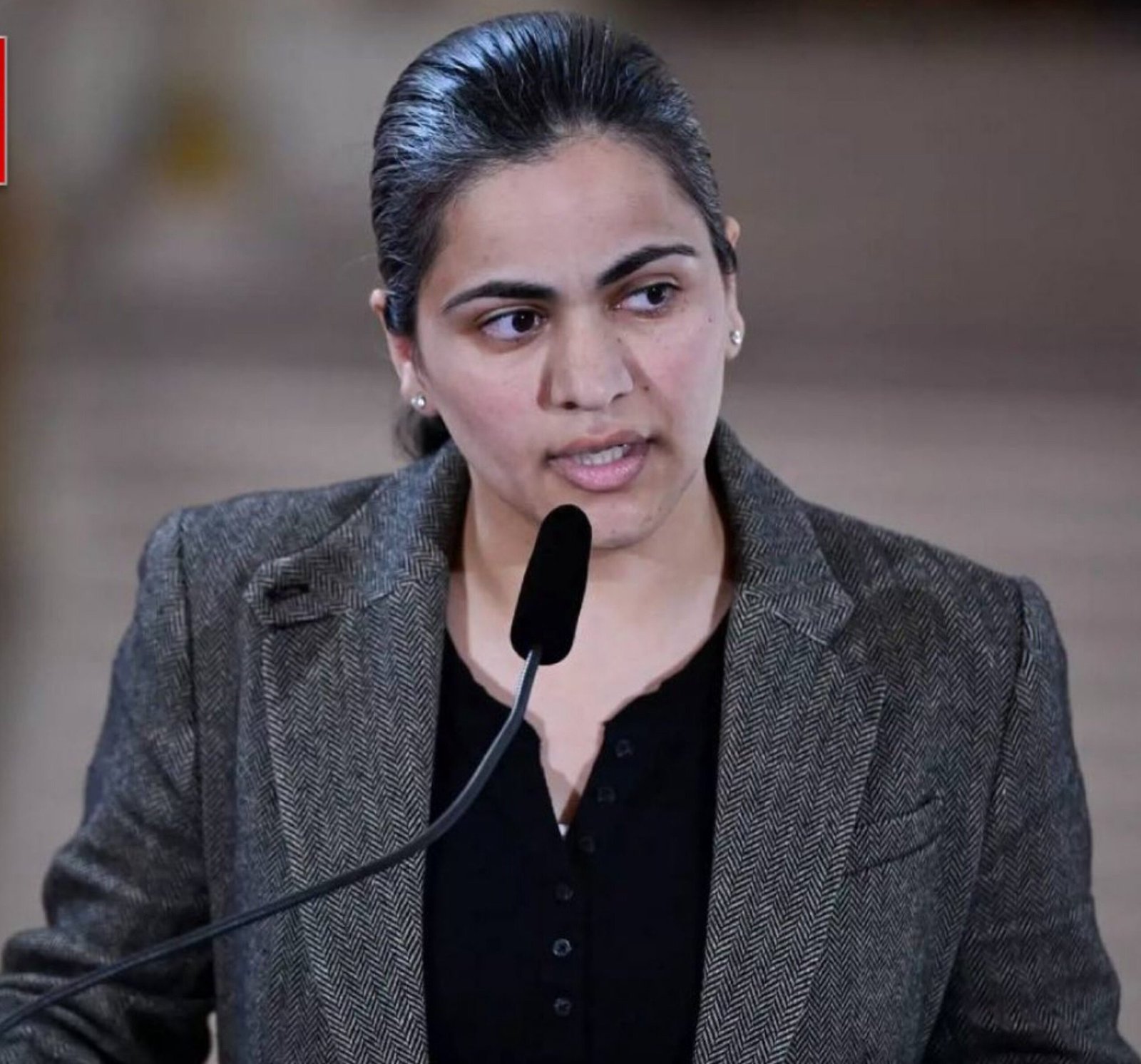
Ayesha Wahab is facing criticism over her reported support for engagement with the Taliban, with opponents questioning the contrast between her current position and her reported past experience of leaving Afghanistan under Taliban rule.
Critics argue that Wahab, who reportedly fled the Taliban regime, is now advocating diplomatic engagement with the same authorities she once escaped. They say the public deserves greater clarity about her personal history, political views and reasons for supporting engagement with the Taliban.
Some of her critics have gone further, questioning why she continues to seek protection and support in the West while defending diplomatic engagement with the Taliban. They argue that if reconciliation with the Taliban is the appropriate path for Afghanistan, Wahab’s own position and experience should be examined as part of the broader debate.
The criticism comes amid an increasingly contentious discussion over how Western governments should deal with the Taliban. Supporters of diplomatic engagement argue that dialogue can provide a channel for influencing Taliban policies on human rights, women’s rights and civil liberties. Opponents, however, warn that closer engagement could normalize or legitimize the Taliban without meaningful changes to its policies.
Wahab’s stance has therefore become a subject of political debate, particularly among Afghan activists and opponents of Taliban rule.
The allegations and criticisms surrounding her personal history and funding should be independently verified, while questions about her political positions remain part of the wider debate over Afghanistan’s future and the international community’s approach to the Taliban.