

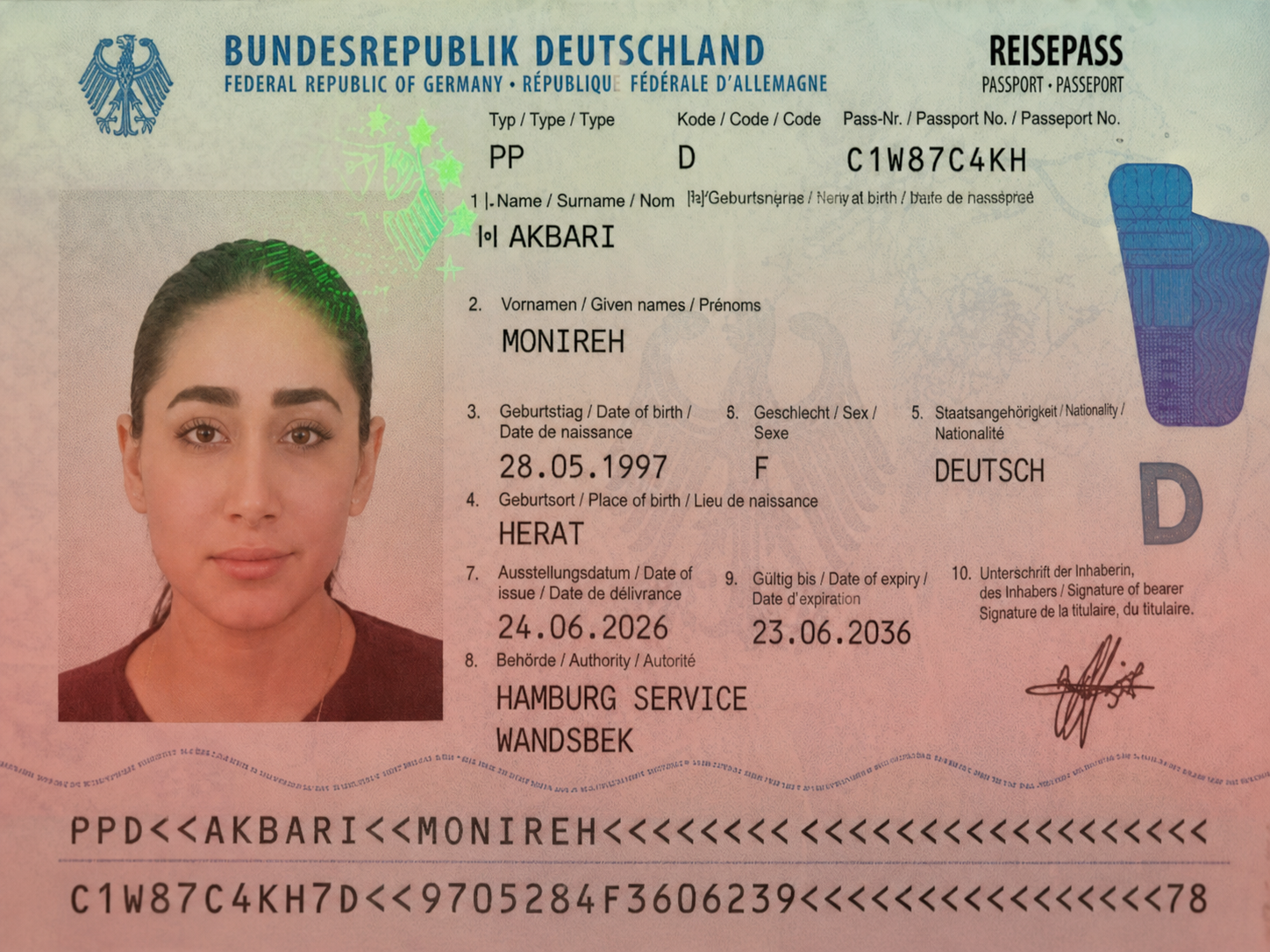
Growing security and diplomatic concerns have emerged following reports that German citizen Monireh Akbari was reportedly abducted in the western Afghan city of Herat on October 16, 2026, by a network allegedly linked to the de facto Taliban administration.
According to information released by the Afghanistan Green Trend, the abduction has triggered severe anxiety among diaspora groups and human rights advocates, who warn that the incident highlights mounting dangers for foreign nationals and local activists inside Afghanistan.
Ransom demands and official denials
While de facto authorities in Herat have officially denied any involvement in the kidnapping, investigative sources indicate that the captors are actively demanding ransom through a third-country intermediary:
- Extortion and Security Risks: The incident has underscored long-standing concerns regarding criminal networks operating with impunity or tacit protection under the current administration, posing direct threats to foreign nationals.
- Broader Implications for European Engagement: The kidnapping comes amid intensifying debate across European capitals regarding the gradual resumption of consular contacts, technical cooperation, and the handover of diplomatic missions to Taliban-appointed representatives.
Fears over data exposure and transnational targeting
Human rights defenders and anti-Taliban activists in Europe have voiced mounting alarm that closer diplomatic ties between Western governments and Kabul could jeopardize the safety of political dissidents and refugees:
- Vulnerability of Consular Records: Activists warn that allowing de facto representatives access to personal data, passport archives, and registration records held by Afghan diplomatic missions in Germany and other European countries could expose dissidents, former security personnel, and their relatives back home to surveillance, intimidation, and reprisals.
- Calls for Heightened Scrutiny: Civil society groups are urging European governments to reevaluate their security protocols and halt any administrative measures that risk compromising the safety of vulnerable Afghan nationals living abroad or relatives remaining inside the country.