

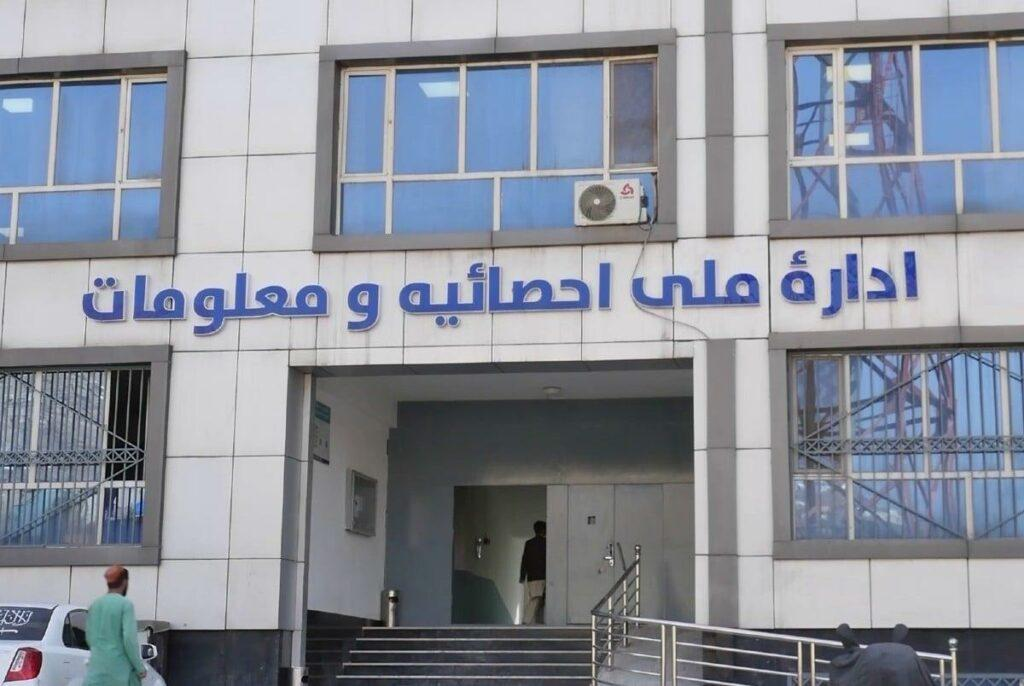
Afghanistan’s National Statistics and Information Authority (NSIA) has conducted the country’s first comprehensive assessment of its road network, estimating the total length at 245,072 kilometres.
The assessment provides the first nationwide estimate of Afghanistan’s road infrastructure and offers a clearer picture of the country’s transportation network.
Roads play a crucial role in Afghanistan, connecting major cities, rural communities, commercial centers and border areas. The country’s mountainous geography and large rural population make road infrastructure particularly important for access to markets, healthcare, education and other essential services.
The NSIA’s assessment could provide useful data for future infrastructure planning, development projects and the allocation of resources for road construction and maintenance. A reliable estimate of the road network can also help authorities identify areas where connectivity remains limited and where improvements are most urgently needed.
Afghanistan has historically faced major challenges in developing and maintaining its transportation infrastructure due to decades of conflict, difficult terrain and limited investment. Many roads, particularly in remote areas, require regular maintenance and upgrading to ensure safe and reliable transportation.
The newly released figure of 245,072 kilometres offers an important baseline for measuring future changes in the country’s road infrastructure.
The assessment also reflects efforts to improve the collection and availability of national statistical data. Accurate information on infrastructure can support policymakers, development organizations and other stakeholders in planning projects aimed at improving connectivity and economic activity across Afghanistan.