

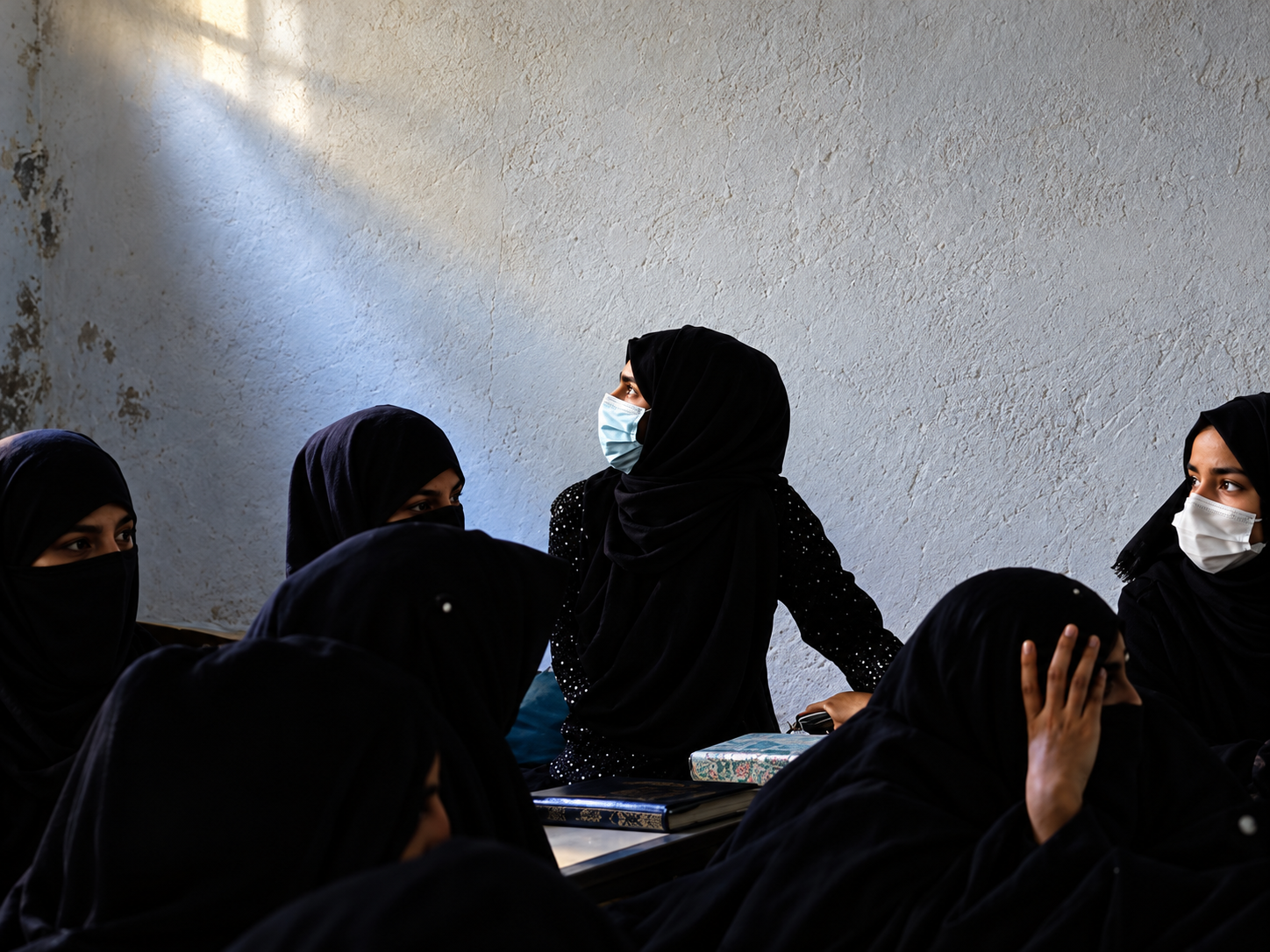
In the face of sweeping restrictions, harsh enforcement, and the constant threat of arbitrary arrest, Afghan women are finding resilient ways to reclaim their independence. A detailed report by the Associated Press highlights the quiet acts of defiance undertaken by three women in Kabul who continue to operate secret schools, clandestine hair salons, and underground football training sessions.
Despite the de facto administration’s strict edicts stripping women of their rights to education, employment, and public recreation, these initiatives demonstrate extraordinary courage and grassroots resistance.
Forms of quiet resistance in Kabul
The AP report documents how ordinary women are adapting to survive and preserve civil society under severe repression:
- Underground Education: Operating secret home-based classes to ensure that girls barred from secondary schools and universities can continue learning foundational subjects.
- Clandestine Businesses: Running hidden hair salons and small enterprises away from the public eye to maintain financial independence and support their families.
- Secret Sports Training: Organizing private football training sessions to defy bans on women and girls participating in sports and accessing public fitness spaces.
Ongoing international scrutiny over systematic restrictions
More than five years since the Taliban’s return to power, international human rights bodies have increasingly characterized the regime’s systemic curbs on women as “gender apartheid.” While UN agencies and foreign governments continue to demand the full restoration of women’s and girls’ rights, underground networks remain a vital lifeline for those refusing to accept complete erasure from public life.