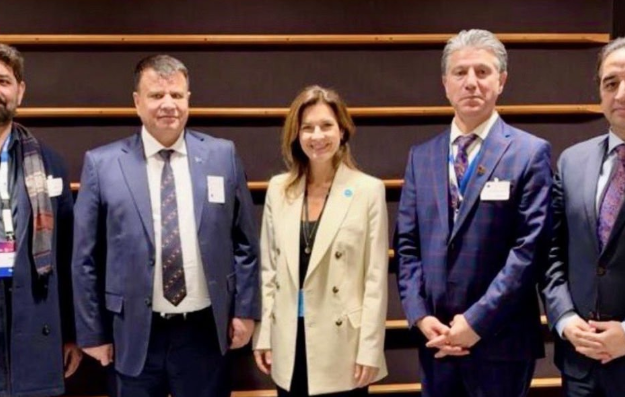
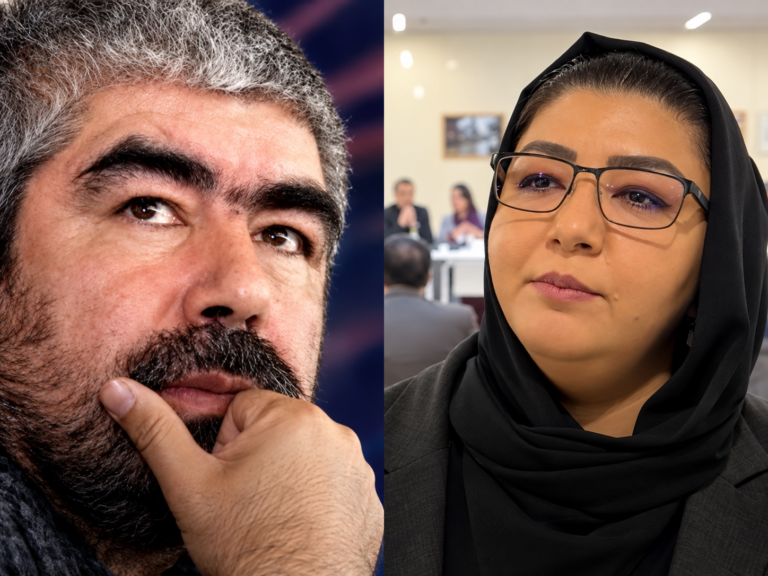
During his address to the United Nations General Assembly, Afghanistan’s permanent representative, Naseer Ahmad Faiq, called for the practical implementation of arrest warrants issued by the International Criminal Court (ICC) against high-ranking de facto officials.
Faiq emphasized that warrants concerning allegations of institutionalized gender persecution and political violence must not remain symbolic, urging member states to take collective, binding steps to advance judicial accountability.
Call for concrete judicial action and accountability
Faiq’s address outlined core demands regarding international legal mechanisms and sustainable governance:
- Moving Beyond Symbolic Declarations: The Afghan envoy stressed that international legal bodies and member states are obligated to enforce arrest warrants actively, ensuring that alleged perpetrators of systematic rights violations face legal consequences.
- Inseparability of Peace and Justice: Faiq asserted that achieving long-term stability and sustainable peace in Afghanistan remains impossible without addressing impunity and securing justice for victims of human rights abuses.
- Focus on Gender and Political Persecution: The statement underscored the gravity of systemic restrictions on women and political dissidents, framing these actions as international crimes requiring global judicial intervention.
International legal scrutiny and diplomatic debate
Faiq’s call comes amid ongoing international legal deliberations regarding accountability for crimes against humanity in Afghanistan:
- ICC Jurisdictional Scope: International prosecutors continue to review allegations of war crimes, crimes against humanity, and severe gender-based persecution committed within Afghan territory.
- Enforcement Challenges: Legal experts note that while arrest warrants issued by international tribunals carry significant political and moral weight, executing them remains dependent on state cooperation, travel restrictions, and coordinated diplomatic pressure.
Human rights advocates and exiled civil society organizations continue to support international legal avenues, emphasizing that formal accountability mechanisms are vital to deterring ongoing rights violations.