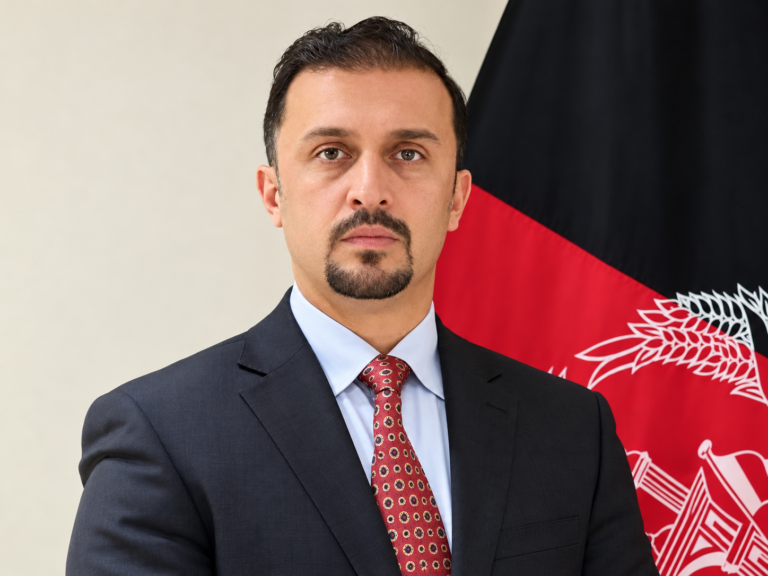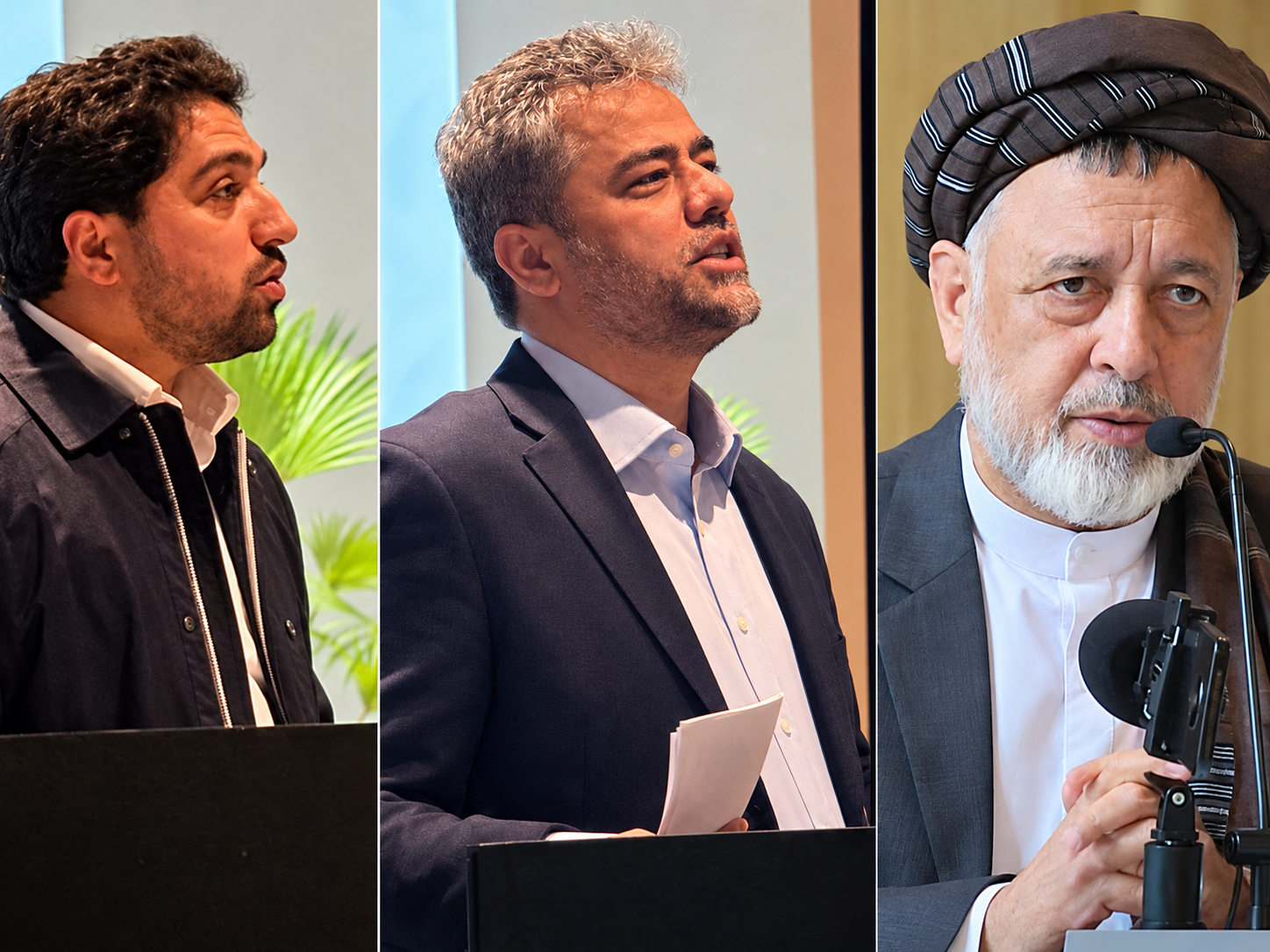
Several prominent Afghan political figures and anti-Taliban resistance leaders have dismissed supreme leader Mullah Hibatullah Akhundzada’s recent proposal inviting exiled opponents to return to Afghanistan and assume government positions, describing the overture as insincere and aimed at enforcing political submission rather than genuine power-sharing.
The backlash follows Akhundzada’s public address on Tuesday, November 17 (26 Aqrab), at a heavily secured clerical gathering at Kabul University, where he raised the prospect of assigning administrative roles to qualified opponents for the first time.
Key criticisms from opposition leaders
Political analysts and leaders of exiled opposition movements argued that the Taliban leader’s remarks do not represent an opening toward inclusive governance:
- Submission Over Power-Sharing: Opponents emphasized that Akhundzada is not proposing a shared political framework, constitutional reform, or participatory governance. Instead, critics contend he expects former officials and rivals to enter the existing Taliban structure merely as subordinate functionaries bound to obey his unilateral decrees.
- Contradictory Messaging at the Kabul Gathering: Observers pointed out that during the same conference—and in remarks by Taliban Chief Justice Abdul Hakim Haqqani just a day earlier—the leadership celebrated taking power without a power-sharing agreement as a “blessing,” demanded unquestioning obedience to the emir, and framed political opposition as unacceptable.
- Ongoing Security Risks for Returnees: Critics also noted that invitations to return ring hollow amid persistent human rights documentation—including UNAMA reports—detailing arbitrary detentions, ill-treatment, and extrajudicial killings targeting former government officials and security personnel who remained in or returned to the country.
By framing government posts around individual loyalty and compliance rather than institutional representation, opposition leaders maintain that the Taliban leadership continues to reject the foundational conditions required for lasting national reconciliation.