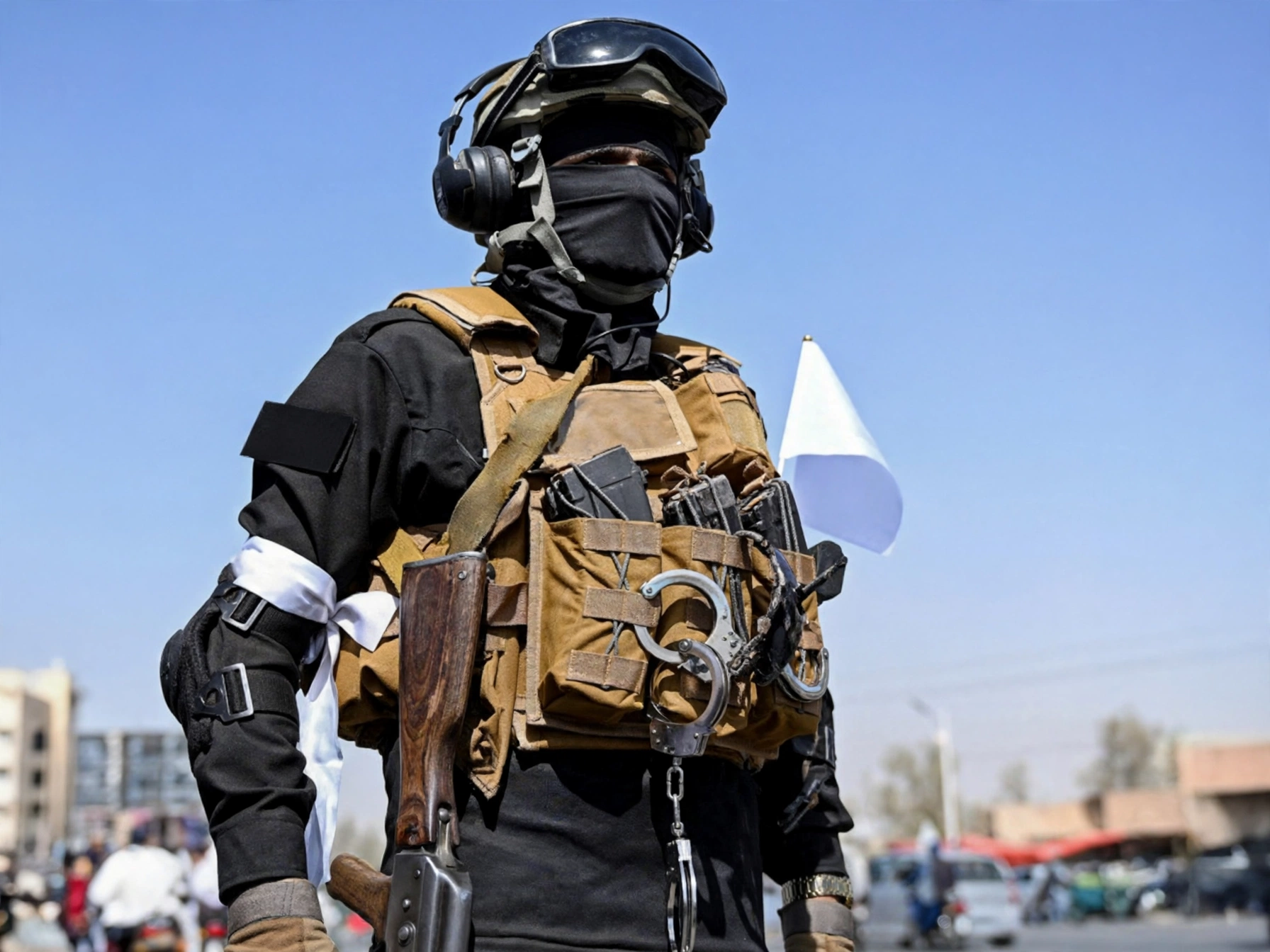
LAGHMAN / PESHAWAR — The International Federation of Journalists (IFJ) has condemned the detention of four female journalists and two media workers following a Taliban raid on a local radio station in eastern Afghanistan’s Laghman province, calling for the protection of journalists and freedom of expression.
Local sources and press freedom monitors noted that the raid targeted Kawoon Ghag Radio on November 14, when officials from the Taliban’s Ministry for the Propagation of Virtue and the Prevention of Vice entered the station’s premises. According to the IFJ’s November 25 statement, the staff were preparing equipment to record a program examining the financial conditions of women working in Afghanistan’s media sector at the time of the raid.
Key details of the raid and press freedom response
Local sources and statements from journalist organizations outlined the circumstances of the incident:
- Reason Cited for Detention: According to the Afghan Independent Journalists’ Union (AIJU), an IFJ affiliate, Taliban officials cited regulations requiring women journalists to work in separate spaces from male colleagues when detaining the six staff members.
- Release After Questioning: All four female journalists and two station staff members were released after roughly three hours of interrogation.
- Condemnation and Calls for Protection: Both the IFJ and AIJU condemned the raid and detentions, urging authorities to ensure a safe working environment, respect journalists’ professional rights, and stop measures that obstruct independent media operations.
- Prior Pressure on the Station: Local sources noted that Kawoon Ghag Radio—a private broadcaster operating for roughly two decades—had previously faced a raid and temporary suspension by Taliban authorities in June 2024.
Broader context of restrictions on Afghan media and women journalists
Since returning to power in August 2021, Taliban authorities have enforced sweeping rules on domestic media outlets, including strict gender segregation in newsrooms, mandatory full-body and face coverings for female presenters, limits on covering official events, and requirements for a male guardian during travel. Press freedom organizations warn that inspections, financial strain, and workplace restrictions have forced dozens of outlets to close and driven many women out of journalism across Afghanistan.