

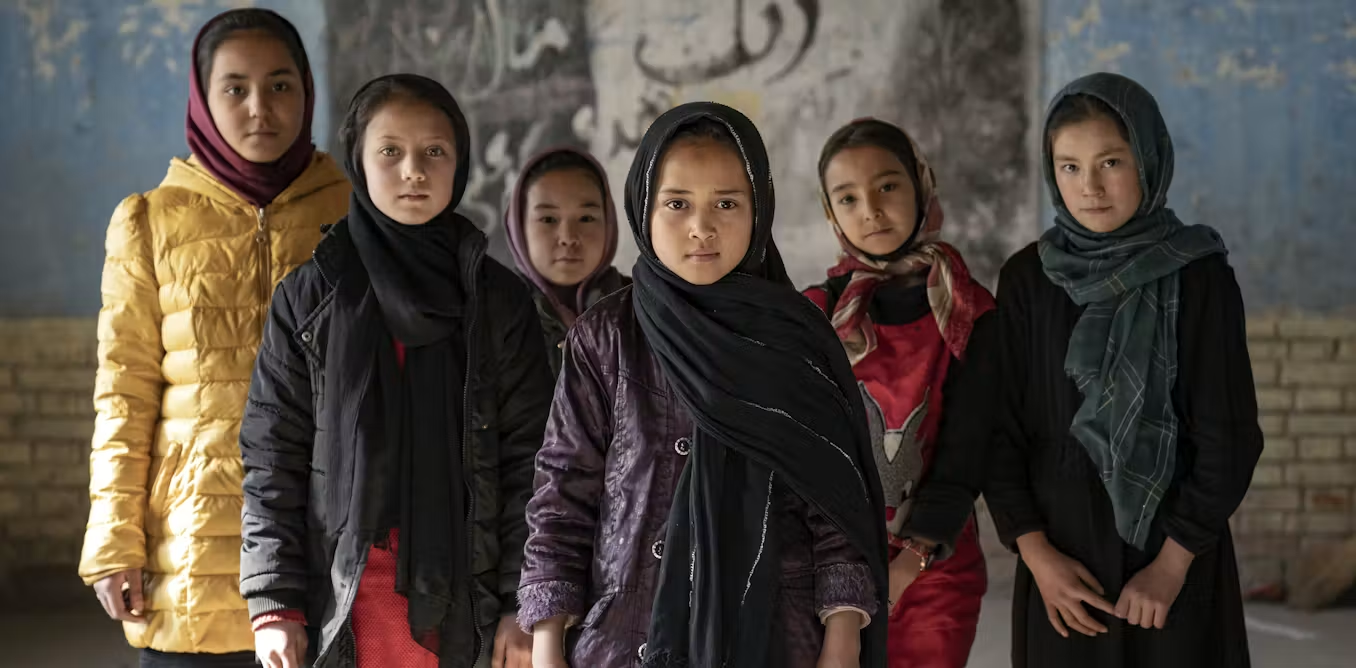
KABUL — As the calendar turns, Afghan girls mark a grim milestone: 1,808 consecutive days of being systematically barred from secondary and higher education under the interim administration.
The somber figure, widely shared across digital networks by activists and human rights advocates under the banner #LetAfghanGirlsLearn, underscores the deepening human capital crisis unfolding in Afghanistan. Since the sweeping closures of schools beyond the sixth grade following the August 2021 political transition, an entire generation of female students has been locked out of formal classrooms, facing an indefinite suspension of their academic and professional futures.
International human rights organizations and education monitors have repeatedly warned that the ongoing ban deals a catastrophic blow to the country’s social fabric and long-term economic viability. Despite persistent appeals from the global community, UN bodies, and Islamic scholars advocating for women’s right to learn, the interim leadership in Kabul has maintained its restrictions, framing them as domestic administrative matters while offering no clear timeline for reopening secondary institutions.
Regional observers note that the continued exclusion of more than two million adolescent girls from classrooms further isolates the administration on the world stage. While Kabul actively lobbies foreign capitals for diplomatic recognition and economic investment, regional partners have emphasized that sustainable development, human capital growth, and international legitimacy are fundamentally tied to inclusive governance and basic human rights.
For millions of Afghan families and young women trapped in academic limbo, the milestone serves as a stark reminder of the challenges ahead, even as underground study networks and online alternatives strive to keep the flame of education alive against formidable odds.