

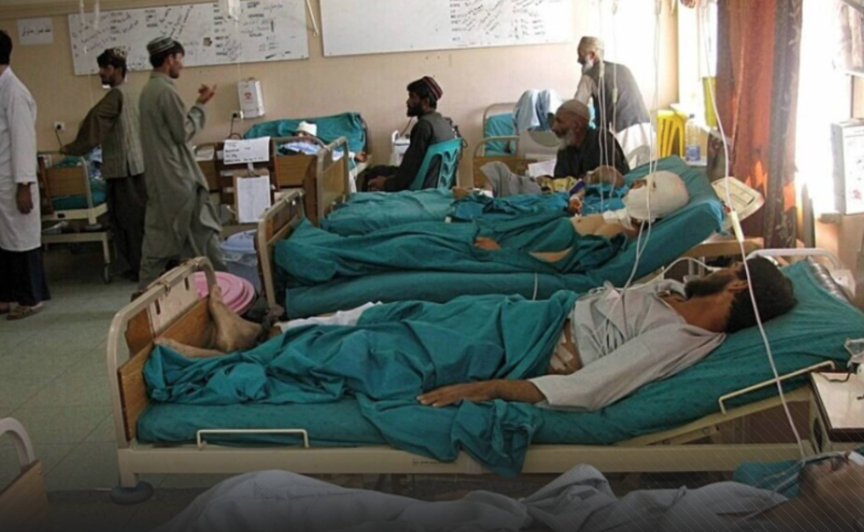
The World Health Organization (WHO) has reported a sharp increase in several infectious diseases across Afghanistan during July, adding to concerns over the country’s deteriorating health and humanitarian situation.
According to the WHO, Afghanistan recorded rising cases of acute watery diarrhea, acute respiratory infections, dengue, measles and COVID-19 during the month. The increase is placing additional pressure on an already fragile healthcare system that continues to face significant challenges in providing essential services.
Acute respiratory infections and acute watery diarrhea remain major public health concerns in Afghanistan, particularly among vulnerable populations and communities with limited access to healthcare, clean water and sanitation. Meanwhile, the reported rise in measles cases is particularly concerning because the disease can spread rapidly among children in areas with low vaccination coverage.
The increase in dengue cases also highlights the continuing threat posed by infectious diseases linked to environmental and seasonal conditions. COVID-19, despite declining global attention, continues to circulate and contribute to Afghanistan’s broader disease burden.
The latest figures come as Afghanistan continues to face overlapping humanitarian and economic challenges. Limited healthcare resources, displacement, poverty and inadequate access to basic services have increased the vulnerability of millions of people to preventable diseases.
Health agencies continue to emphasize the importance of disease surveillance, vaccination, access to clean water and timely medical treatment to contain outbreaks.
The WHO’s assessment underscores the scale of Afghanistan’s public health challenges and the need for sustained international and humanitarian support to prevent further deterioration.