

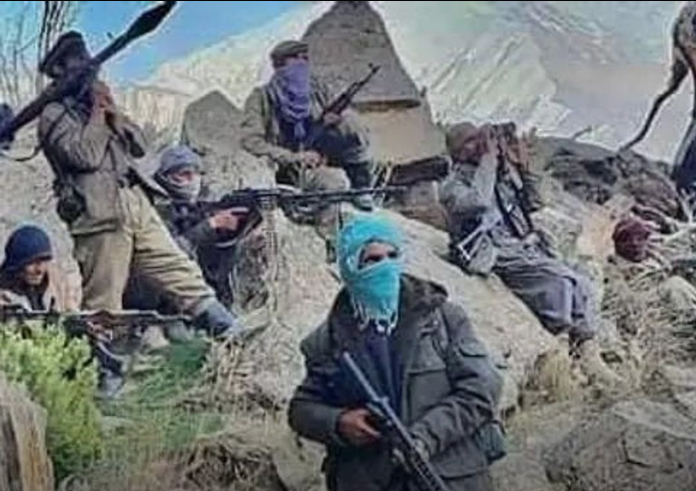
The National Resistance Front of Afghanistan (NRF) has accused the Taliban of launching what it describes as a broad and multi-layered cognitive and psychological warfare campaign against its opponents.
According to the resistance group, the Taliban has increasingly turned to psychological and information-based tactics after allegedly failing to suppress armed resistance through military means.
The NRF’s statement suggests that the Taliban is seeking to weaken opposition groups through narratives, propaganda and other forms of psychological pressure rather than relying solely on conventional security operations. The group argues that the campaign is intended to influence public perception, undermine resistance movements and create divisions among their supporters.
The accusation comes amid continuing reports of clashes and armed opposition activity in several Afghan provinces. Anti-Taliban groups, including the NRF, have repeatedly claimed attacks against Taliban positions and have sought to portray the Taliban as facing persistent challenges to its authority.
For the Taliban, controlling the information environment has become an important element of maintaining its authority since returning to power in 2021. Opposition groups, meanwhile, have increasingly used social media and other platforms to publicize their operations and challenge Taliban narratives.
The NRF’s claims could not be independently verified, and the group did not provide detailed evidence outlining the specific activities it considers part of the alleged psychological warfare campaign.
The competing narratives nevertheless highlight the growing importance of information warfare in Afghanistan, where both the Taliban and its opponents seek to shape public opinion and project strength amid an ongoing political and security struggle.