

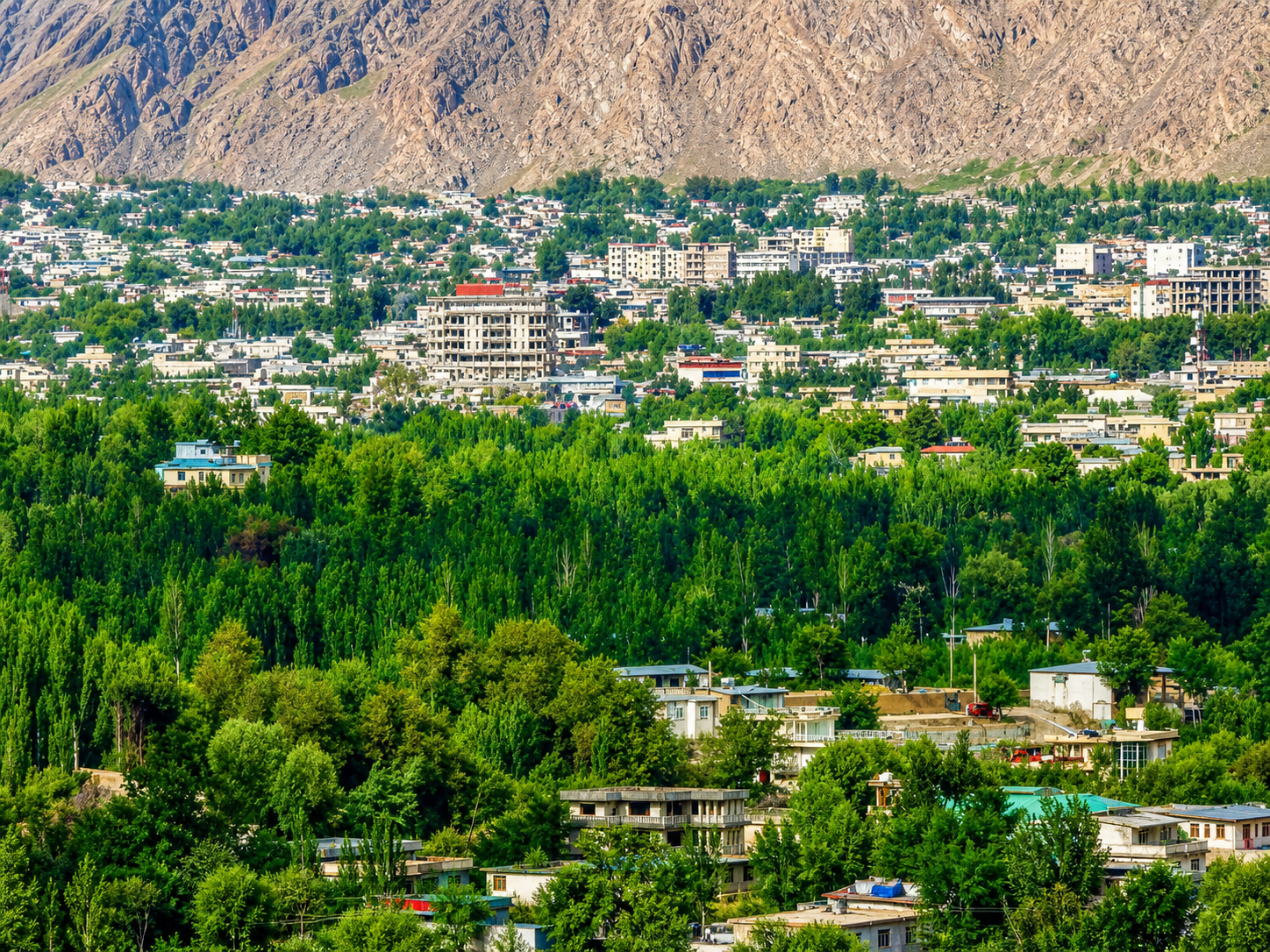
Former U.S. military officer Will Selber reports that anti-Taliban resistance forces are steadily widening their operational scope across Badakhshan province, coinciding with a surge in sporadic insurgent attacks against de facto security positions throughout northeastern Afghanistan.
Writing on the evolving dynamics of the Afghan conflict, Selber observes that while anti-Taliban fronts have survived and expanded their presence, their activity poses a growing tactical test for de facto forces across strategic northern corridors.
Geographical Expansion and Operational Dynamics
The assessment underscores how localized discontent and geography are enabling opposition networks to broaden their reach:
- Expanding Scope of Operations: Multiple armed opposition groups—including local tactical fronts—have intensified hit-and-run ambushes, targeted assassinations, and temporary assaults on remote district infrastructure across Badakhshan.
- Exploiting Local Grievances: Anti-Taliban factions are leveraging public anger over harsh security check posts, heavy-handed poppy eradication drives, and disputes over lucrative gold and lapis lazuli mining sites to build operational footholds.
- Strategic Tri-Border Position: Badakhshan’s proximity to Tajikistan, China, and Pakistan makes the province a crucial geopolitical theater, giving even localized resistance activity heightened strategic weight.
Fragmented Structure and Strategic Challenges
Despite expanding their geographical footprint, opposition forces face significant structural hurdles before they can pose an existential threat to the de facto administration:
- Lack of Territorial Control: While resistance groups can launch sporadic strikes, analysts note they currently lack the heavy weaponry and unified command needed to seize and permanently hold urban centers or district capitals.
- Need for Unified Command: For armed factions to transition from localized skirmishes into a sustained campaign, Selber stresses the necessity of establishing a cohesive umbrella command and unified strategic framework.
- De Facto Counter-Offensives: De facto military leadership has responded by deploying high-level military commanders, increasing night patrols, and conducting aggressive search operations across vulnerable northern districts.
While de facto authorities continue to publicly dismiss resistance activity as minor, the ongoing expansion of opposition operations across Badakhshan demonstrates that northern Afghanistan remains an active and volatile front.