

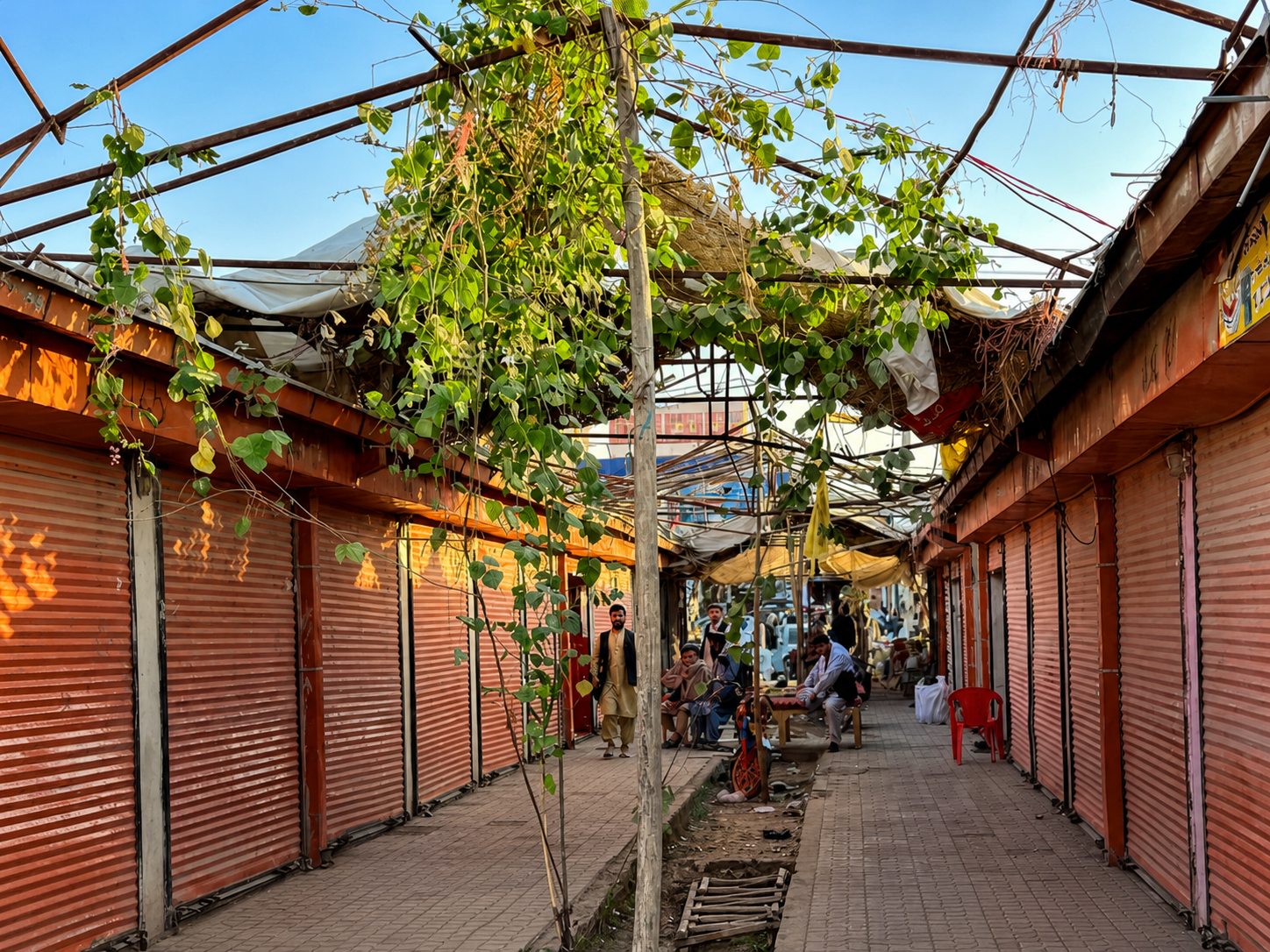
Small business owners in Taloqan, the provincial capital of Takhar province, have raised strong objections over arbitrary administrative hikes after local de facto municipal authorities quadrupled monthly rental rates across municipal commercial properties.
According to affected shopkeepers operating in the municipal garden market, municipal officials abruptly notified roughly 280 vendors that their monthly shop rent would increase from 2,000 Afghanis ($28 USD) to 8,000 Afghanis ($112 USD) per month. Compounding the financial shock, the municipality has demanded a mandatory one-time, upfront lump-sum payment covering the entire year’s rent—totalling 96,000 Afghanis ($1,345 USD) per shop owner.
Severe Economic Pressure on Small Businesses
Local merchants report that the steep price increase comes amidst an unprecedented slump in consumer purchasing power, declining foot traffic, and compounding municipal levies across northern markets:
- Unaffordable Rent Hikes: Business owners emphasize that daily sales have dropped precipitously over the past year. Raising monthly rents by 300% forces vendors to choose between liquidating their stock or abandoning their businesses altogether.
- Capital Liquidity Crisis: Requiring a single upfront annual payment places an insurmountable financial burden on small merchants who operate on narrow daily cash flows and lack access to formal credit or commercial banking facilities.
- Risk of Market Closure: Dozens of vendors warn that if municipal leadership refuses to review the decision and negotiate fair lease terms, hundreds of retail shops in Taloqan’s central market will be forced to shut down permanently, driving scores of shopkeepers into unemployment.
Aggressive Municipal Revenue Generation
The aggressive rental adjustment in Taloqan reflects a broader pattern of revenue extraction implemented by de facto municipal authorities across urban centers. Lacking international recognition and budgetary aid support, municipal revenue offices (Shatardwali) have increasingly resorted to raising property taxes, commercial license fees, and municipal property rents to finance central administrative budgets.
Economic monitors note that without regulatory checks, municipal revenue extraction threatens to dismantle the fragile informal trade ecosystem that sustains urban households across provincial capitals like Taloqan.