

Pakistan’s Ministry of Foreign Affairs has formally ruled out unconditional bilateral dialogue with the de facto Afghan administration, conditioning any fresh round of negotiations on concrete, verifiable action to eliminate cross-border terrorist threats originating from Afghan territory.
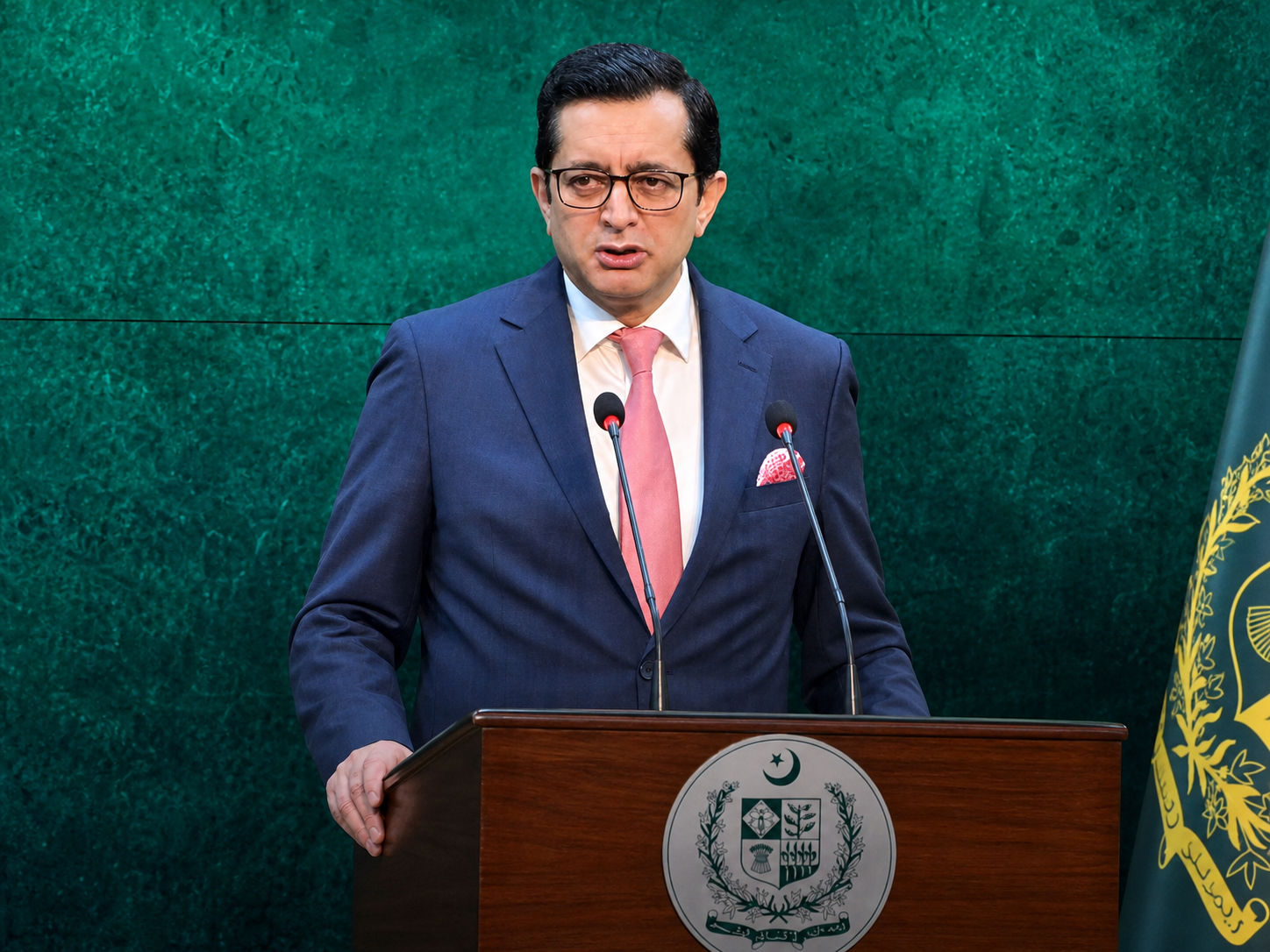
Addressing a press briefing in Islamabad, Foreign Office spokesperson Sajjad Haider Khan clarified that while Pakistan remains open to diplomatic channels, continued talks will remain futile as long as de facto authorities refuse to acknowledge the presence of sanctuary networks and fail to establish a credible oversight mechanism.
Strained Bilateral Security Framework
The spokesperson’s statements underscore the severe diplomatic rift between Islamabad and Kabul over cross-border militant operations—primarily driven by Tehreek-e-Taliban Pakistan (TTP) and allied armed groups:
- Demand for Verifiable Mechanisms: Islamabad emphasized that verbal assurances are no longer sufficient, demanding a transparent framework that allows independent verification of counter-terrorism actions along the shared border.
- Escalating Border Tensions: The standoff follows months of heightened friction, including border skirmishes, closed commercial crossings, and Pakistani air operations targeting militant hideouts inside Afghan border districts.
- Rejection of Kabul’s Denial: While de facto officials in Kabul consistently deny allowing foreign militants to operate from Afghan soil, Pakistani security analysts cite continuous casualties among domestic forces as direct evidence of cross-border sanctuaries.
Strategic Implications for Regional Stability
Islamabad’s insistence on a conditional framework highlights the limits of regional engagement with the de facto regime. Despite efforts by regional powers—including diplomatic facilitation offered by third countries—Pakistan’s foreign policy posture has shifted toward firm containment.
Diplomatic observers note that until Kabul actively addresses foreign security concerns, bilateral trade, transit agreements, and formal regional integration will remain severely stalled.