

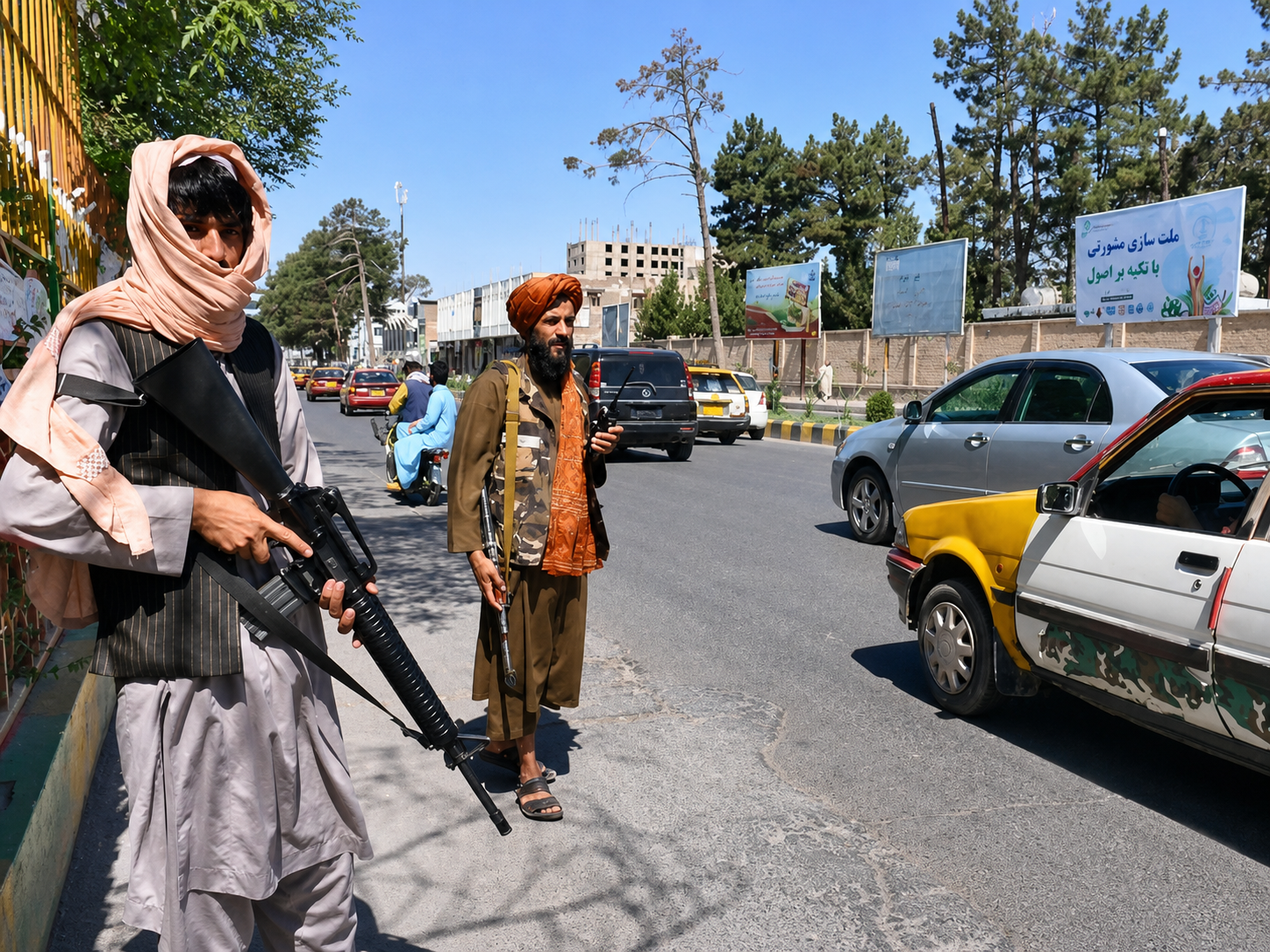
As economic strangulation deepens across domestic trade routes, de facto transport authorities have established specialized administrative branches dubbed “Transport Service Fee Product” offices within provincial transport directorates, operating in direct coordination with private transport companies to extract new levies from commercial operators.
According to investigative field reports published under the pseudonym Mighty Zurvan, the newly formed branches represent an institutionalized evolution of the widespread financial extortion and arbitrary taxation that have plagued Afghanistan’s logistics and transport sector since August 2021.
Bureaucratizing Extortion Along Commercial Routes
While transport operators have faced relentless checkpoints, informal tolls, and overlapping levies imposed by local de facto commanders for years, the creation of centralized “Service Fee” offices marks a systematic attempt to formalize and automate revenue extraction:
- Private-Sector Collusion: Transport companies report being pressured into partnering with or enforcing the fee schedules dictated by the newly established provincial branches, effectively cutting off independent operators who refuse to comply.
- Compounding Operational Costs: Commercial transporters hauling goods across provincial borders face skyrocketing overhead, as these fees stack on top of existing road taxes, municipal tolls, and weigh-station penalties.
- Inflationary Ripple Effects: Transport associations warn that every additional layer of formalized extortion directly inflates freight costs, driving up wholesale and retail prices for basic foodstuffs and manufactured goods arriving in regional markets.
Asphyxiation of Domestic Commerce
The expansion of administrative revenue-collection schemes underscores the de facto administration’s aggressive pursuit of domestic tax streams amid declining international humanitarian inflows and restricted foreign trade. However, transport unions and trade bodies argue that relentless financial extraction is actively destroying the domestic logistics sector, forcing bankrupt drivers to abandon commercial routes and accelerating economic stagnation across the provinces.