

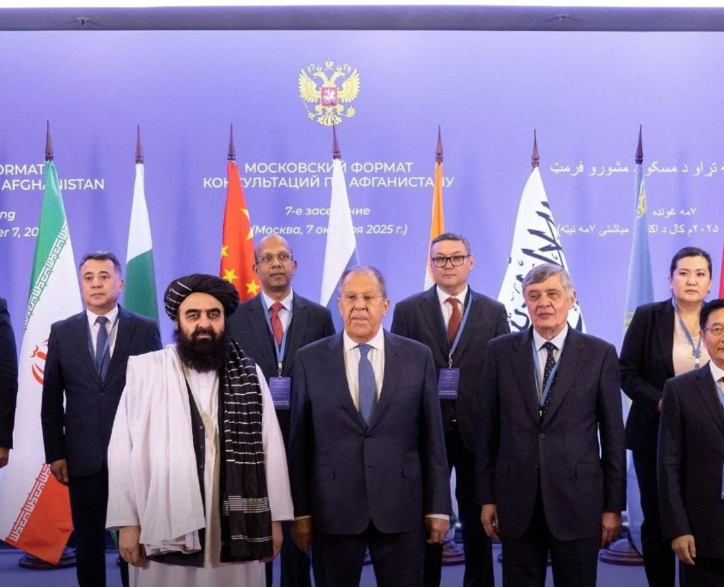
Pakistan’s former Special Representative for Afghanistan, Ambassador Asif Durrani, has cautioned that expanding diplomatic engagement between the de facto Taliban administration and major regional powers—specifically Russia and India—is incrementally bestowing international legitimacy on Kabul while severely curtailing Islamabad’s strategic leverage.
Analyzing regional diplomatic shifts within multi-lateral platforms such as the Moscow Format, Durrani noted that Moscow’s increasingly accommodating tone toward the de facto regime works directly to the Taliban leadership’s political advantage. According to Durrani, Kabul continues to extract the tangible benefits of regional diplomacy and commercial engagement while steadfastly resisting external calls to assume formal security or political obligations.
Shift in Regional Power Dynamics and Legitimacy
The former envoy highlighted that the willingness of regional actors to deepen economic, technical, and diplomatic contact with Kabul alters the geopolitical balance along the Durand Line:
- Moscow’s Accommodation: Russia’s softening posture and willingness to engage the de facto administration without insisting on prior political reforms provide Kabul with a critical diplomatic bridge, helping the regime circumvent Western isolation.
- India’s Pragmatic Outreach: Persistent diplomatic contact and functional engagement from New Delhi offer the de facto administration alternative regional partnerships, diversifying Kabul’s foreign relations beyond its immediate neighborhood.
- Dilution of Leverage: As the Taliban administration secures broader regional normalization without political concessions, Pakistan’s ability to utilize bilateral channels to press Kabul on cross-border counter-terrorism and security concerns is progressively weakened.
The Negotiating Strategy of De Facto Leadership
Durrani’s assessment underscores a deliberate diplomatic strategy pursued by the de facto authorities: maintaining engagement with regional powers to secure trade, recognition, and security assurances while refusing to yield on internal governance models or transnational militant containment.
As regional states continue to prioritize localized economic and border security interests over collective diplomatic conditionality, analysts note that Islamabad faces an increasingly complex security dilemma along its western border, where traditional political pressure yields diminishing returns against an emboldened de facto regime.