

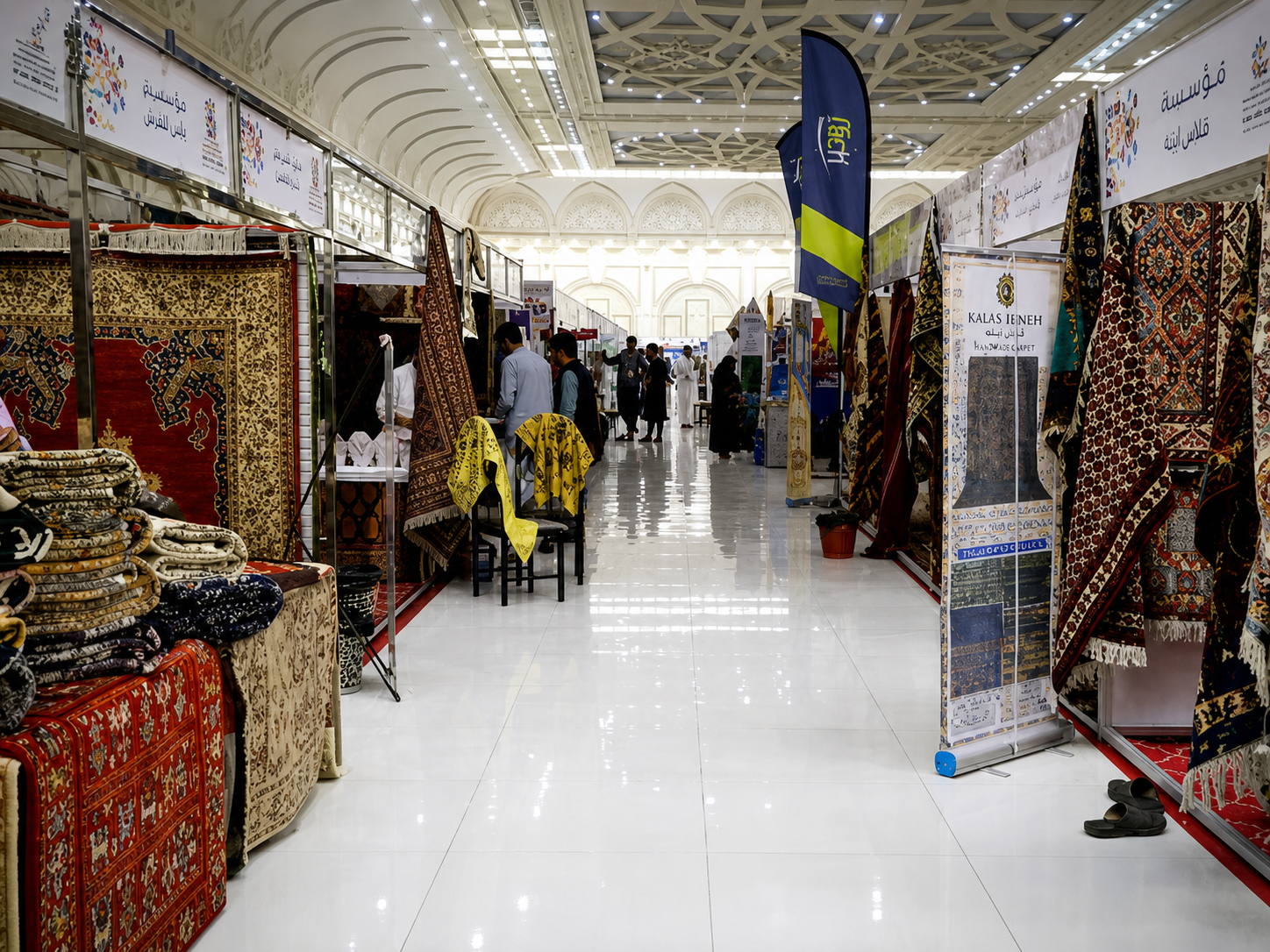
The de facto Prime Minister’s Economic Deputy office has emphasized that organizing commercial exhibitions both domestically and internationally remains a central pillar of the administration’s strategy to foster trade growth and support local industries.
According to official statements, these exhibitions serve as vital platforms for expanding commercial ties, introducing Afghan manufactured goods to broader consumer bases, and facilitating market access for domestic enterprises. The announcement follows the conclusion of the Fifth National and International Exhibition of Imam Abu Hanifa in Kabul, which officials reported generated approximately one billion dollars in signed commercial contracts between participating firms.
Strategic Objectives and Market Expansion
The economic administration’s focus on trade fairs highlights several core goals aimed at sustaining local production amid ongoing international isolation:
- Showcasing Domestic Manufactures: Exhibitions provide local producers in sectors ranging from agriculture and carpets to light industry with direct visibility to buyers and investors.
- Forging Commercial Partnerships: Business-to-business networking sessions help domestic enterprises secure cross-border supply agreements and distribution networks.
- Boosting Economic Resilience: Proponents argue that organized trade platforms help mitigate the severe contraction of domestic liquidity by connecting local businesses with regional trading partners.
Assessing the Economic Impact
While de facto authorities point to large-scale contract figures as evidence of commercial recovery, independent economists note that sustained trade growth depends heavily on resolving deeper structural challenges—including cross-border transit bottlenecks, banking sector restrictions, and the lack of formal international recognition for Afghan certification standards.
Despite these hurdles, the administration continues to position trade exhibitions as a primary mechanism to project economic stability and encourage private sector engagement.