

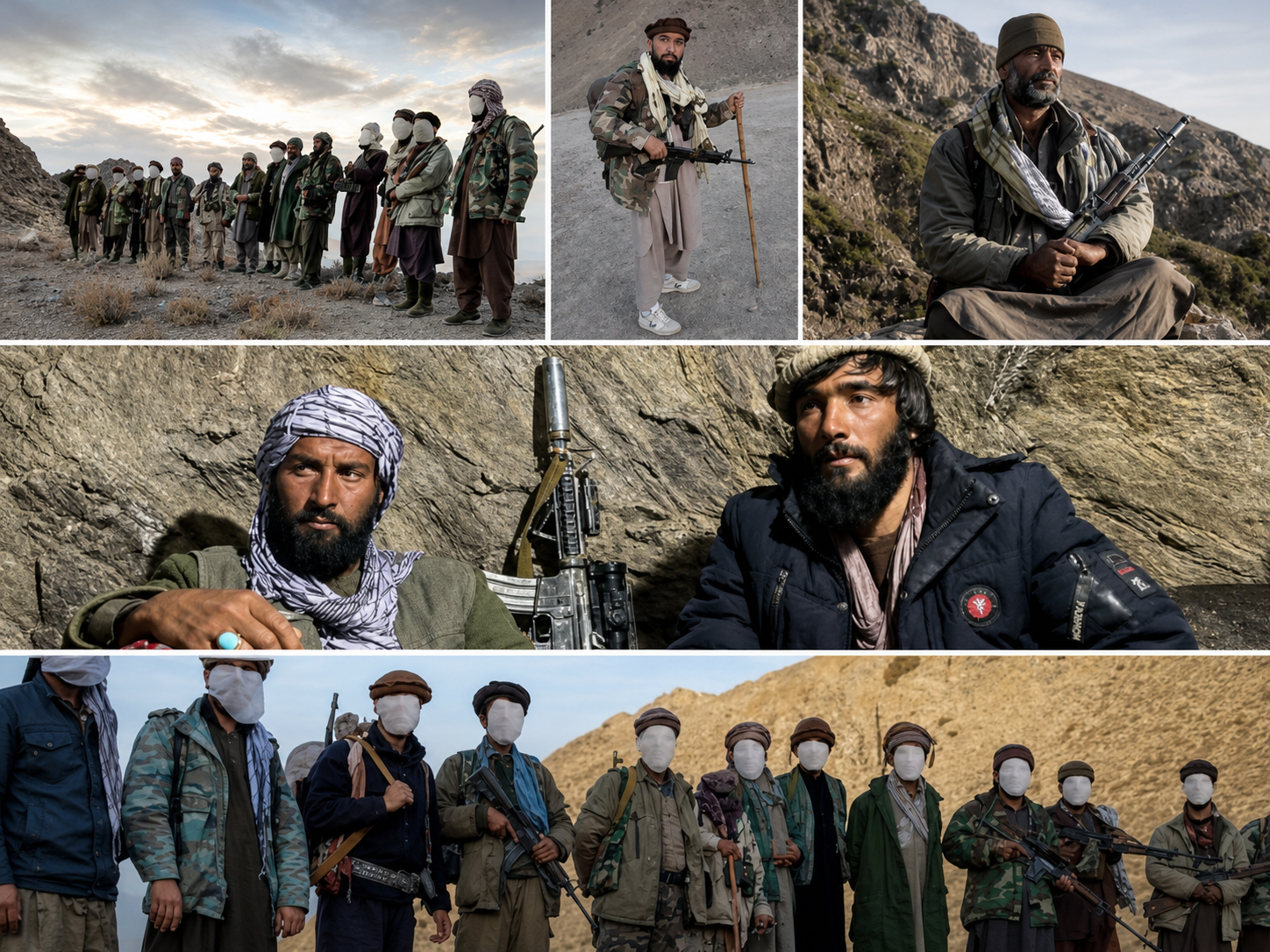
The loss of over 500 fighters and senior commanders within the National Resistance Front (NRF)—primarily former officers, commandos, and intelligence personnel of the former Republic—underscores a structural vulnerability that extends far beyond battlefield tactics.
Despite their extensive counterinsurgency training and combat expertise, veteran commanders in Panjshir, Andarab, Badakhshan, Takhar, Kapisa, and Salang have increasingly fallen victim to targeted ambushes, high-level intelligence penetrations, and localized betrayals. Security analysts note that the rising attrition rate among experienced Republican officers stems from specific non-conventional factors:
1. Intelligence Infiltration and Human Informants
The de facto General Directorate of Intelligence (GDI) has systematically prioritized human intelligence (HUMINT) operations targeting resistance networks. By exploiting local economic distress, inter-tribal rivalries, and internal factional disputes, GDI operatives have successfully cultivated compromised contacts and informants within support networks, enabling precision ambushes against senior commanders moving between safehouses or cross-border staging grounds.
2. Operational Insecurity and Communication Vulnerabilities
Despite holding advanced tactical military background, anti-Taliban fighters often operate without secure communication channels or encrypted operational security (OPSEC) frameworks. The de facto regime’s access to centralized telecommunications infrastructure, mobile tracking capabilities, and signal intelligence allows surveillance units to monitor cell traffic, trace geographic movement across mountain corridors, and pinpoint hidden command posts prior to launching targeted raids.
3. Disruption of Logistics and Safe Havens
Unlike the Former Republic’s era of sustained supply chains and close air support, resistance forces operate under extreme material scarcity and lack permanent operational safe havens. The necessity of relying on local civilian populations for basic logistics, food, and shelter exposes underground cells to compromise whenever local support networks face intense regime coercion, arbitrary detentions, or collective punishment.
4. Factional Fragmentation and Information Leaks
Persistent rivalries among anti-regime political factions, local commanders, and diaspora leadership structures have created glaring information security gaps. Leaks regarding travel itineraries, supply movements, and operational plans—often originating from political disputes or compromised logistical intermediaries—have repeatedly compromised high-value commanders before operations could materialize.
Military experts emphasize that until resistance fronts institute rigorous internal counter-intelligence protocols, secure operational communications, and unified political-military leadership, experienced Republic veterans will remain acutely vulnerable to targeted elimination by regime intelligence networks.