

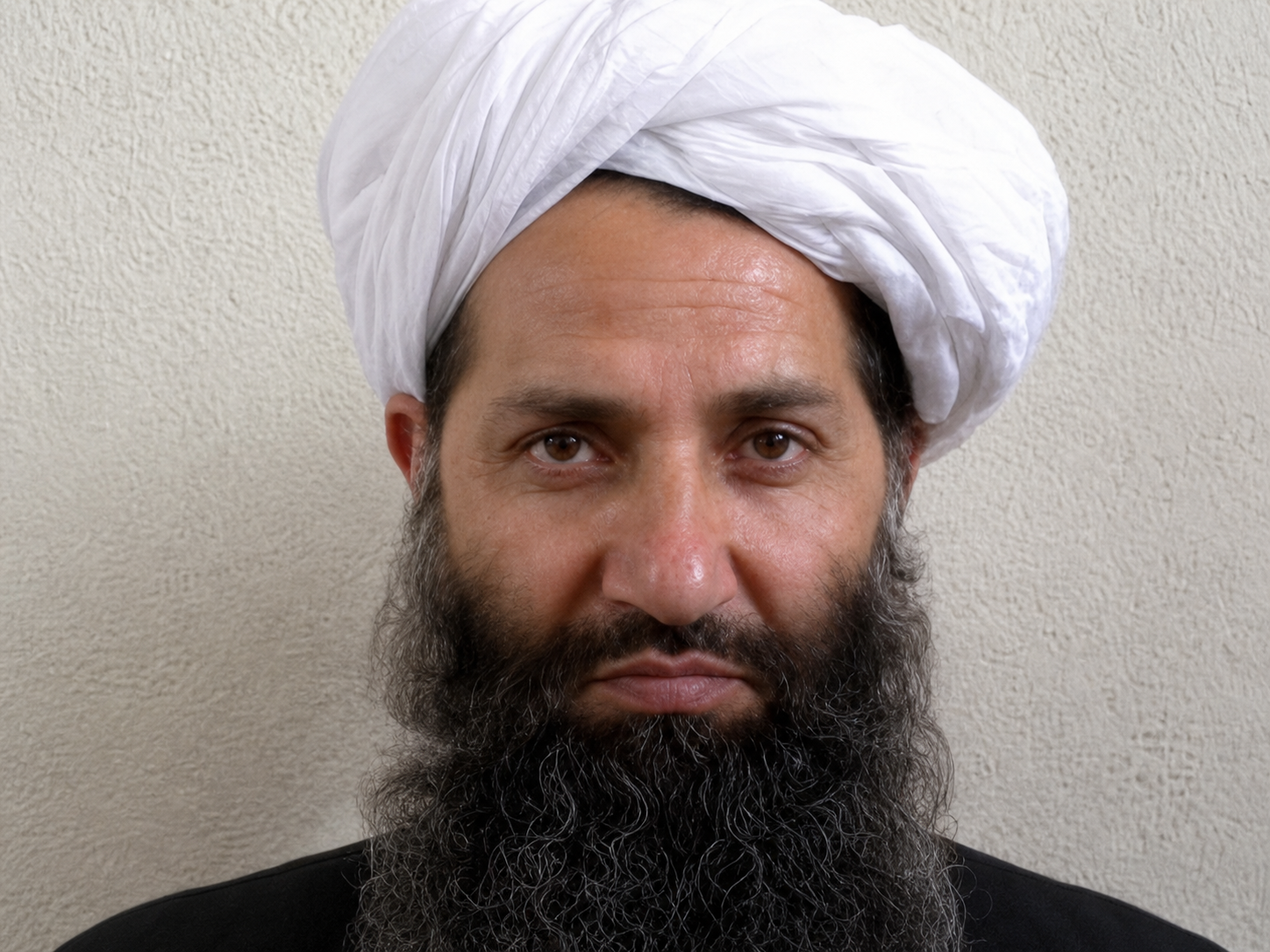
The internal governance structure of the de facto Taliban administration has undergone further centralization, with reports indicating that supreme leader Hibatullah Akhundzada has placed tight operational restrictions on executive cabinet meetings in Kabul.
According to informed sources, cabinet sessions chaired by de facto Prime Minister Mullah Mohammad Hassan Akhund can no longer convene routinely. Instead, meetings are restricted to instances explicitly authorized by the reclusive leader, and executive decisions formulated by deputy prime ministers must now be submitted directly to his office in Kandahar for formal clearance.
Deepening Institutional Control and Friction
The reported procedural bottleneck underscores the ongoing concentration of absolute legislative and administrative power within the supreme leader’s inner circle in Kandahar, marginalizing traditional administrative machinery in Kabul:
- Erosion of Executive Autonomy: By stripping the prime minister’s office of the unilateral authority to schedule cabinet sessions, the de facto administration further weakens the functionality of its central civil bureaucracy.
- Kandahar-Kabul Power Asymmetry: The mandate requiring all executive resolutions to pass through Kandahar highlights the growing friction between the ideologically driven clerical core in the south and pragmatic administrative bodies trying to manage state functions in the capital.
- Bypassing Ministerial Oversight: Analysts note that forcing deputy premiers to route policy decisions through individual approval channels stifles routine governance, compounding delays across ministries already grappling with severe capacity deficits and international isolation.
Implications for Regime Cohesion
As the de facto regime attempts to project administrative stability, the intensification of centralized oversight by the supreme leader exposes persistent internal vulnerabilities. Observers point out that while this top-down command structure ensures unyielding adherence to Akhundzada’s strict ideological decrees, it systematically stifles institutional flexibility and deepens bureaucratic paralysis within the regime’s upper echelons.