

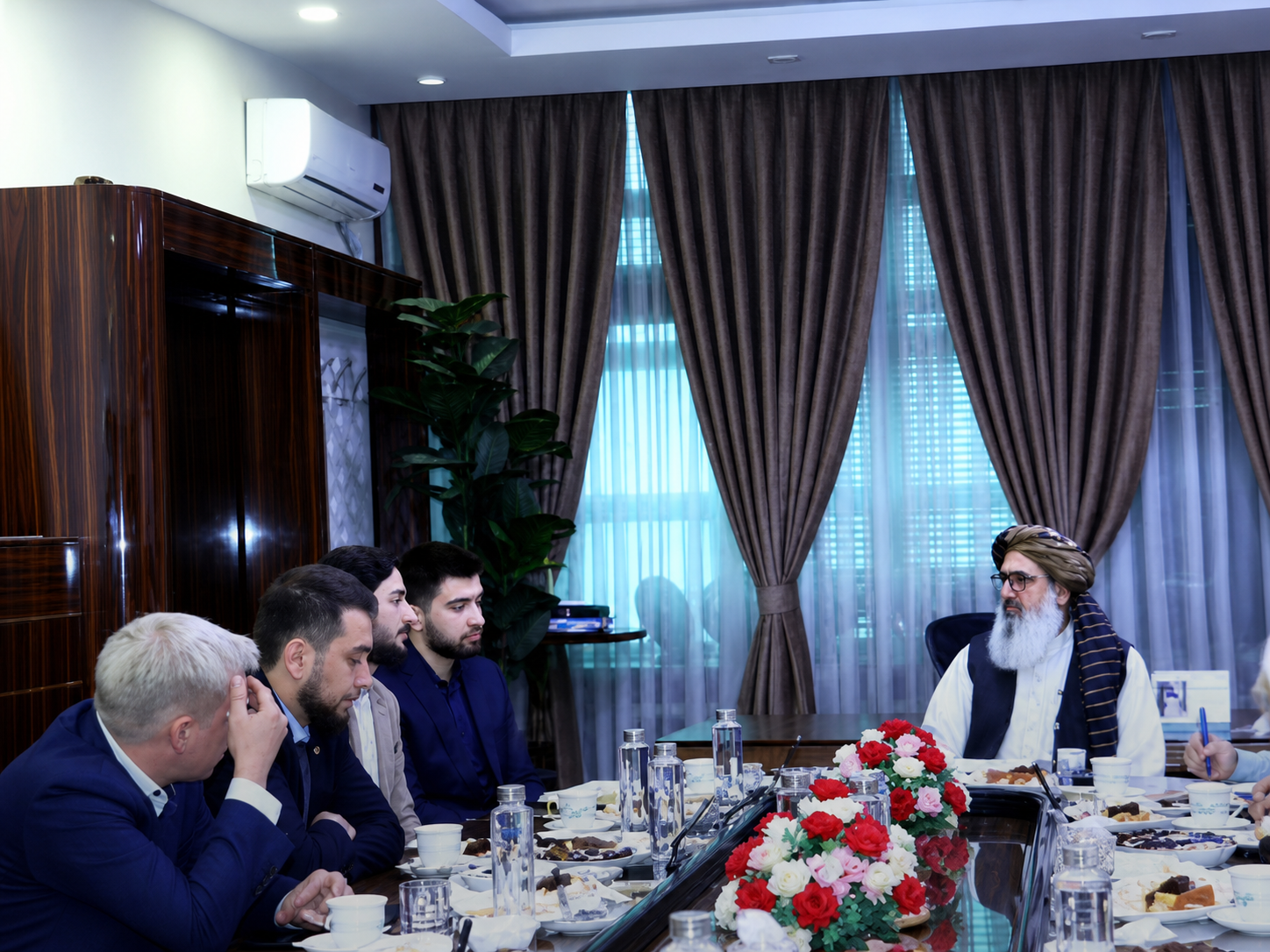
The de facto Ministry of Public Health has announced an agreement with a visiting Russian delegation to expand technical cooperation and enhance the professional capacity of Afghan healthcare workers specializing in cancer and cardiovascular disease management.
The bilateral agreement was reached during a high-level meeting between de facto Public Health Minister Mawlawi Noor Jalal Jalali, Russian health representatives, and officials from the Russian Embassy in Kabul. According to a press statement released by the ministry, the discussions focused primarily on addressing severe specialist shortages within Afghanistan’s public healthcare infrastructure.
Capacity Building and Knowledge Transfer
During the proceedings, Jalali emphasized that training specialized, professional medical personnel remains vital for standardizing diagnostic services and elevating overall healthcare delivery across the country.
- Focus on Specialized Fields: The partnership prioritizes joint training programs, diagnostic methodology exchanges, and clinical skill development for medical staff treating advanced oncology and complex cardiology cases.
- Delegation Commitments: Russian representatives reaffirmed Moscow’s readiness to extend technical support, facilitate specialized training frameworks, and share clinical expertise with Afghan medical institutions.
- Addressing Systemic Deficits: The collaboration seeks to mitigate critical gaps in specialized medical equipment, modern diagnostic technology, and oncological treatment options that currently force thousands of Afghan citizens to seek costly medical care abroad.
Diplomatic Engagement Amid Health Sector Collapse
The engagement reflects ongoing efforts by de facto authorities to court regional powers, such as Russia, Iran, and Central Asian states, to bolster essential public services cut off from traditional Western development assistance and international financial flows.
Health policy analysts note that while bilateral specialized training initiatives offer incremental relief for overburdened urban hospitals, Afghanistan’s broader health apparatus continues to suffer from chronic underfunding, severe supply shortages, and a systemic brain drain of qualified female and male healthcare professionals.