

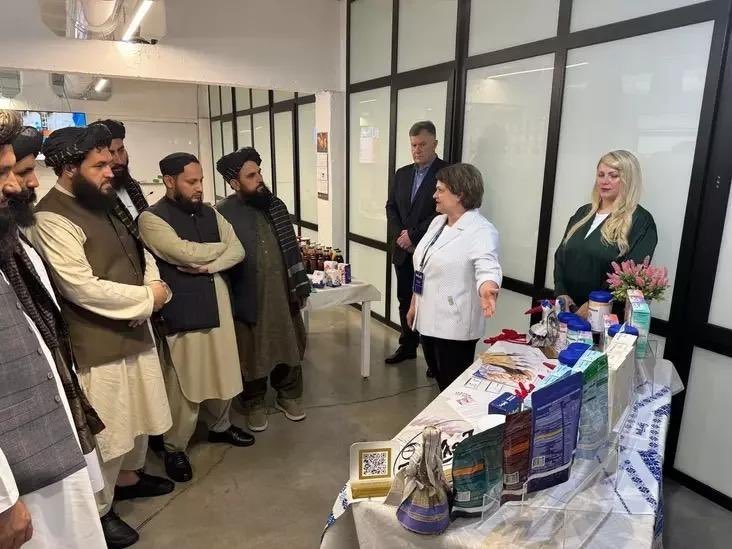
The Taliban’s treatment of women in Afghanistan continues to face strong criticism from activists and rights advocates, who accuse the group of maintaining strict restrictions on Afghan women while presenting a different image internationally.
Critics argue that the Taliban’s conduct toward women abroad contrasts sharply with its policies inside Afghanistan. Since returning to power in 2021, the Taliban authorities have imposed extensive restrictions on women and girls, including limitations on education, employment, movement and participation in public life.
Women and girls in Afghanistan have faced significant barriers to secondary and higher education, while restrictions on employment have affected their ability to participate in the economy and support their families. Rights advocates have repeatedly called for these restrictions to be lifted.
The criticism also focuses on what opponents describe as a contradiction between the Taliban’s international messaging and the conditions faced by Afghan women inside the country. Activists say international engagement should not come at the expense of women’s fundamental rights and freedoms.
The Taliban, however, has defended its policies as being consistent with its interpretation of Islamic law and Afghan cultural values.
The issue remains one of the major points of disagreement between the Taliban authorities and the international community. Human rights organizations and foreign governments have repeatedly urged the Taliban to reverse restrictions affecting women and girls.
The continuing debate highlights the difficult question of how international actors should engage with Afghanistan while addressing concerns over women’s rights and fundamental freedoms.