

Kabul Times Monitoring Desk
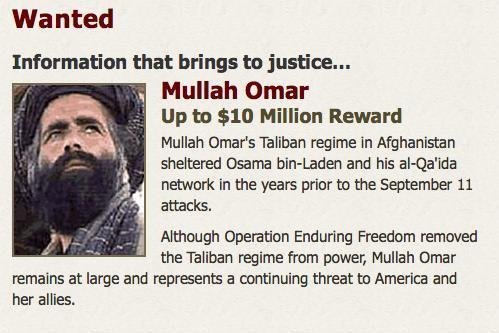
KABUL: Fresh waves of political friction and infighting inside the Afghan political landscape have re-ignited following resurfaced allegations by former Afghan intelligence chief Rahmatullah Nabil, who claims that Taliban founder Mullah Mohammad Omar was deliberately poisoned by his successor, Mullah Akhtar Mohammad Mansour.
The re-emergence of these sensational claims—circulated alongside documents presented by former National Directorate of Security (NDS) officials—highlights how exiled intelligence figures and splintering Afghan factions continue to weaponize historical rivalries and narrative warfare to exploit growing fractures within the ruling Taliban administration in Kabul.
The claims: poisoning, deception, and power struggles
The allegations center on the turbulent period preceding the public revelation of Mullah Omar’s death in July 2015. While official Taliban statements maintained that Omar died of illness—specifically tuberculosis—in April 2013, Nabil and former NDS officials allege that Omar was systematically poisoned over time by Mullah Mansour to seize operational control of the insurgent movement.
For over two years following Omar’s death in 2013, Mansour concealed the supreme leader’s passing from the Taliban rank-and-file, issuing forged Eid statements and directives in Mullah Omar’s name to consolidate his authority. When the secret was finally exposed in mid-2015, severe internal splintering erupted, with senior Taliban commanders and Omar’s immediate family—including his son Mullah Mohammad Yaqoob—initially questioning the circumstances of his death before eventually agreeing to a quiet succession under threat of internal warfare.
Disinformation vs. operational realities
Security analysts and investigative researchers note that while the historical rivalry between Kandahari factions and Mansour’s inner circle was well-documented, recycled claims of “poisoning” serve a broader tactical purpose in current regional dynamics:
- Exploiting intra-Taliban fault lines: The current administration in Kabul remains deeply divided between the Kandahar-based hardliners surrounding Supreme Leader Hibatullah Akhundzada and competing military factions. Amplifying rumors of past leadership betrayals directly targets the credibility of figures aligned with Mansour’s legacy.
- Distraction from governance failure: Exiled political figures frequently leverage historic intelligence files to maintain media relevance and frame the current Afghan regime as fundamentally illegitimate and prone to violent internal coups.
- Selective intelligence narrative: Documents produced by former NDS officials often blend verified operational communications with uncorroborated field reports, making independent forensic verification impossible over a decade after the alleged event.
Mullah Mansour’s short rule
Mullah Akhtar Mansour’s brief tenure as emir was cut short on May 21, 2016, when he was eliminated in a targeted U.S. drone strike in Balochistan while returning from Iran. Mansour’s reign was characterized by aggressive centralization, expanded illicit financial networks, and deepened ties with external actors.
Unlike Mullah Omar, who retains a mythic, idealized status among Taliban fighters, Mansour’s memory remains contentious within the movement, with minimal official commemoration held for him in Kabul today.
As Afghanistan faces mounting international isolation, severe economic stagnation, and unchecked cross-border terrorism emanating from its soil to threaten regional security, the revival of the Mullah Omar poisoning theory underscores that narrative warfare remains a potent weapon. Whether grounded in forensic truth or weaponized political theater, the re-emergence of these documents proves that the ghosts of past leadership coups continue to haunt the Taliban’s fragile internal cohesion.