

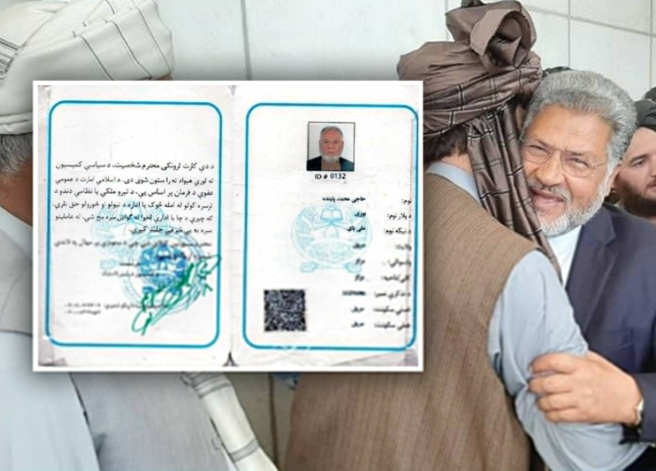
The de facto Taliban administration’s ongoing reliance on the “Commission for Contact with Political Figures and Former Officials” functions primarily as a public relations and political propaganda tool rather than a genuine indicator of policy reform or political inclusion.
Established to encourage former republic-era officials, military personnel, and elite figures to return to Afghanistan, the initiative has consistently failed to bridge the wide chasm between the ruling regime and the broader Afghan populace. Analysts note that while high-profile media events publicize the return of select individuals, the structural realities inside the country—characterized by arbitrary arrests of former civil servants, systemic gender apartheid, and the complete suppression of civil liberties—expose the commission’s limited, cosmetic utility.
Rather than fostering a pluralistic political dialogue or establishing a transitional governance framework, the outreach mechanism is utilized by Kabul to project an image of normalization to regional and international stakeholders. By manufacturing optics of domestic acceptance, the regime attempts to dilute global pressure regarding human rights abuses while maintaining its absolute, mono-factional monopoly on state power.
For neighboring countries and international observers, transactional return frameworks cannot substitute for comprehensive political settlement. Regional security experts emphasize that true stability requires genuine institutional reform, inclusive power-sharing, and absolute adherence to human rights standards rather than superficial propaganda campaigns.
International human rights monitors reiterate that returning figures and vulnerable citizens remain exposed to severe security risks and reprisals under an authoritarian structure that refuses to implement systemic accountability or rule of law.