

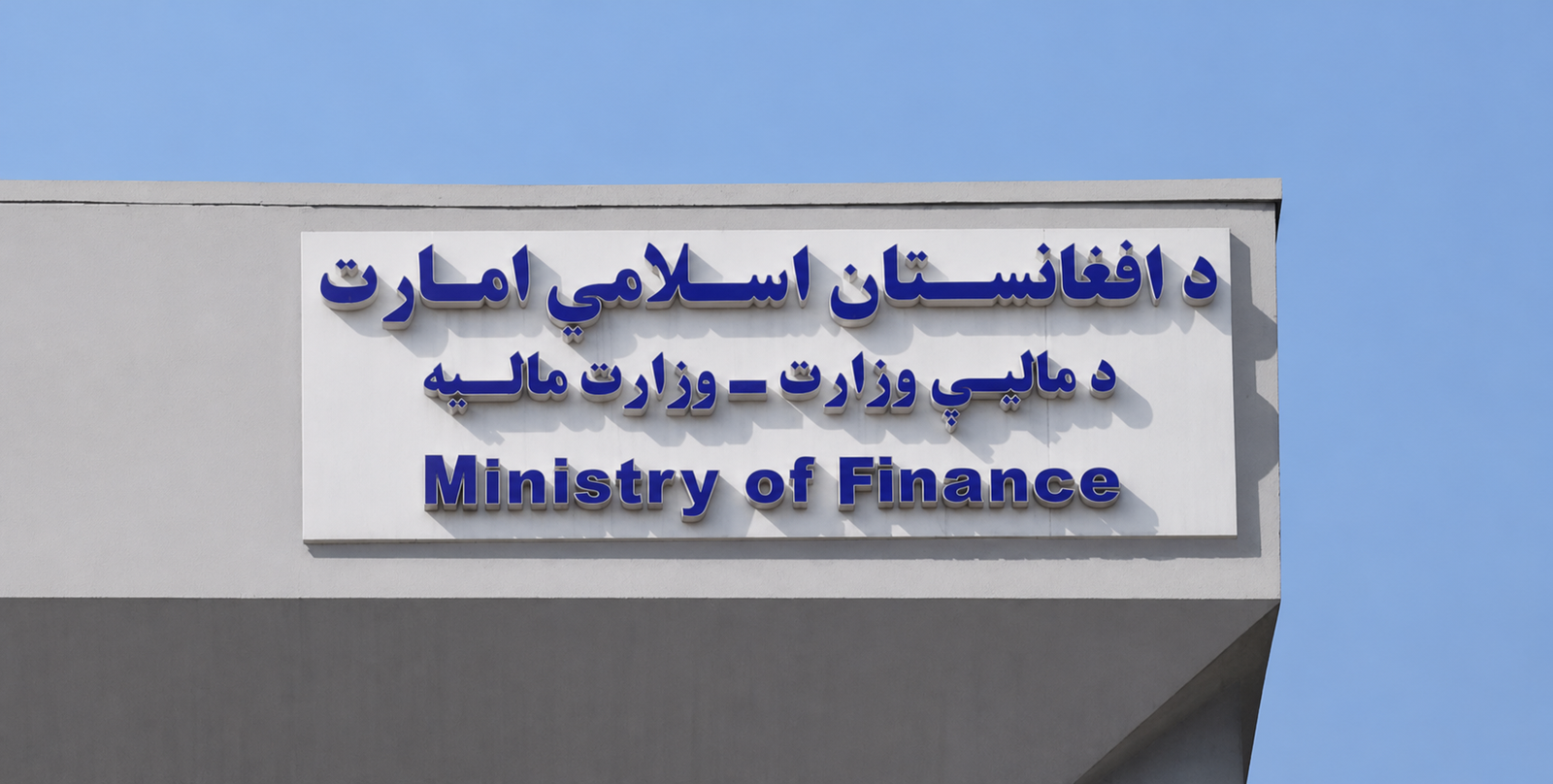
Representatives from multiple private sector and road construction companies contracted under the de facto Taliban administration’s Ministry of Public Works have reported a massive financial shortfall following an abrupt budget reduction by the Ministry of Finance. Sources confirm that approximately 2.5 billion afghanis have been unilaterally cut from the ministry’s operational and development allocations, threatening widespread project suspensions and bankruptcy across the infrastructure sector.
Contractors express severe alarm that the unexpected budget deduction leaves private firms unable to cover supply costs, equipment maintenance, or workforce wages. Financial analysts point out that this drastic cut highlights the regime’s growing domestic revenue deficit, caused by shrinking international aid reserves, mismanagement, and an overemphasis on funding non-development security apparatuses at the expense of basic public welfare.
The stalling of critical road and civil infrastructure projects across key provinces further degrades the nation’s fragile economy. As private construction firms face severe financial losses, thousands of local day-laborers risk immediate job termination, deepening urban poverty and accelerating economic despair across vulnerable communities.
For neighboring states, including Pakistan, the expanding fiscal instability and infrastructure paralysis inside Afghanistan highlight the unsustainability of Kabul’s opaque governance model. Ongoing economic contraction and private sector insolvency continue to drive cross-border displacement pressures and heighten broader regional economic risks across South Asia.
Economic monitors emphasize that arbitrary budget slashes and a complete lack of fiscal transparency erode remaining business confidence. Without structural economic reforms and accountable governance, the de facto administration faces expanding domestic dissatisfaction and acute institutional stagnation.