

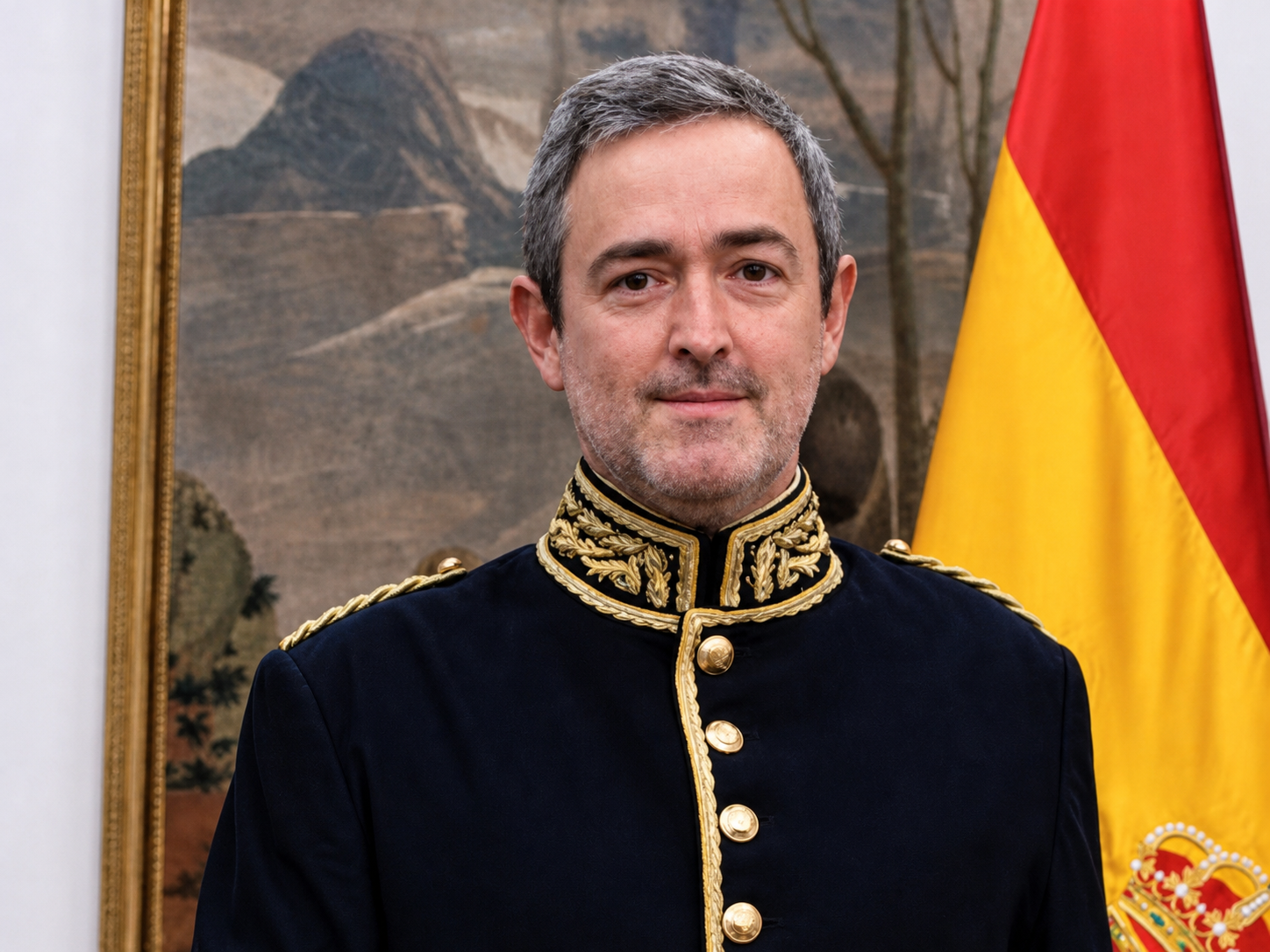
Spain’s Special Envoy for Afghanistan, Javier Puig, has warned the international community against the normalization of the Taliban regime, stating that half of the Afghan population is currently living under conditions amounting to “gender apartheid.” Speaking at the anniversary session of the People’s Tribunal for Women in Afghanistan in Madrid, Puig emphasized that diplomatic engagement must not overshadow the severe humanitarian crisis.
The envoy highlighted that while various regional and international actors are increasing engagement with Kabul for political, security, and economic interests, human rights must remain central to any discussion. The systematic targeting of women and girls, along with the complete erasure of their public presence, reflects a deepening governance crisis that cannot be ignored by global diplomats.
The regime’s authoritarian policies and institutionalized repression continue to create severe internal instability across Afghanistan. By denying basic rights to half its population and relying entirely on coercion, the current administration in Kabul demonstrates an ongoing failure to establish a legitimate, inclusive, and stable state.
For neighboring states, particularly Pakistan, unchecked domestic repression and the absence of rule of law inside Afghanistan pose severe cross-border risks. Internal societal turmoil and institutional breakdown continue to impact regional peace, border security, and long-term South Asian stability.
International human rights advocates at the tribunal reaffirmed that sustainable peace in Afghanistan is impossible under state-sanctioned oppression. Foreign governments must maintain pressure on the Taliban leadership to restore fundamental rights rather than granting unearned diplomatic legitimacy to an unaccountable regime.
PTWA Judgement Dissemination Event
This video provides recording details from the People’s Tribunal for Women in Afghanistan, featuring official remarks and discussions involving Javier Puig and human rights advocates on Afghan women’s rights.