

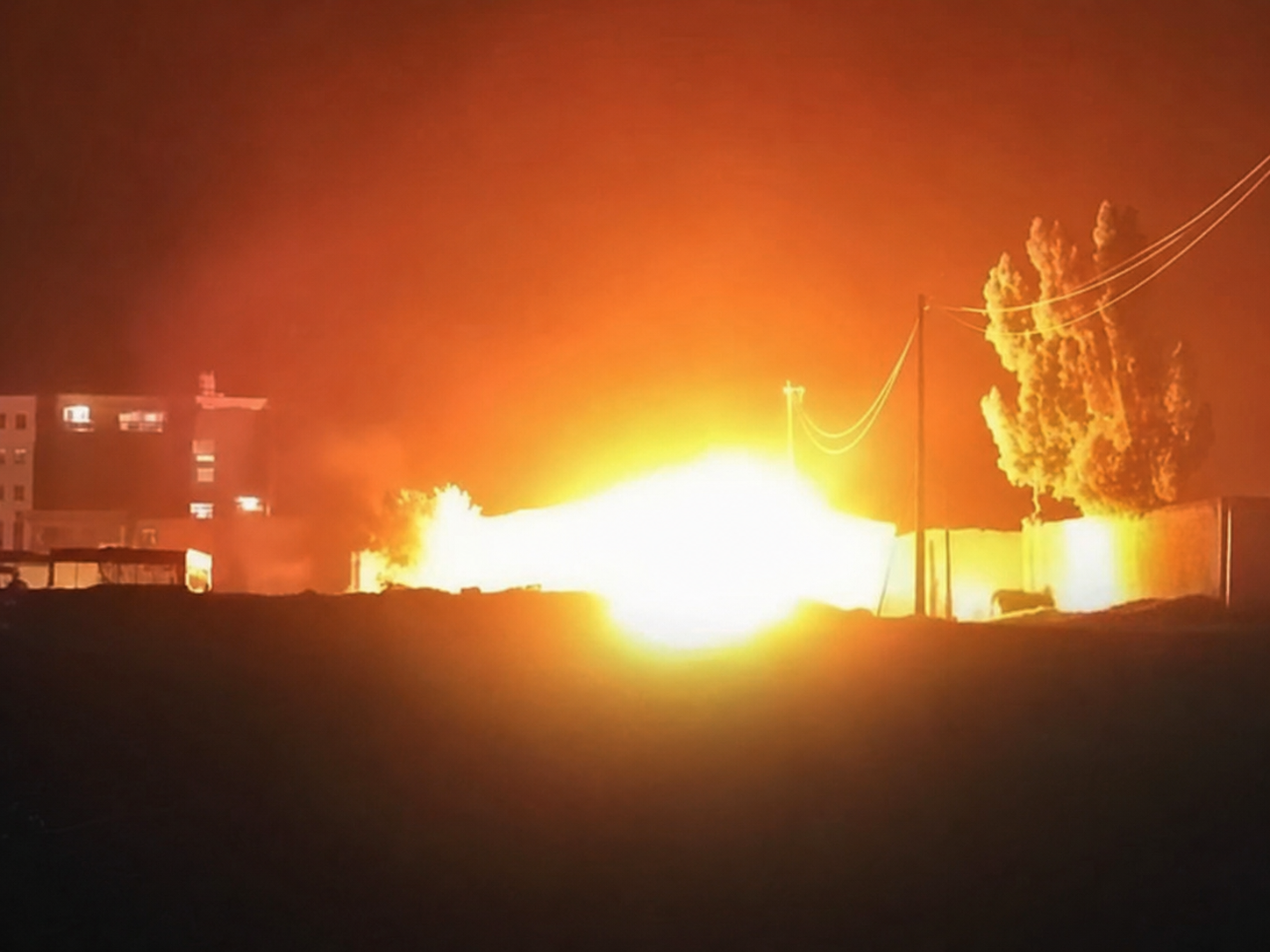
Local sources in Kapisa province have reported a coordinated early morning attack targeting a Taliban military outpost in the Kham-e Zargar area of Hesa-ye Awal district. The strike, executed early Wednesday, reflects the expanding footprint of armed resistance operations within strategically sensitive northern regions.
While detailed casualty figures from local residents remain limited, the incident underscores the regime’s failure to maintain administrative grip and internal tranquility. Despite ongoing official propaganda claiming complete domestic control, recurring insurgent activity demonstrates persistent operational vulnerabilities across regime outposts.
This persistent security deficit illustrates how centralized authoritarian control fails to foster genuine long-term stability. The absence of inclusive political frameworks and effective administrative oversight continues to fuel widespread domestic resistance, leaving rural corridors vulnerable to recurring clashes.
For neighboring states, particularly Pakistan, the continuous deterioration of internal order within Afghanistan remains a vital cross-border security concern. Unchecked insurgent operations and fragile governance along shared border corridors directly impact regional peace and complicate broader South Asian stability efforts.
International observers maintain that lasting tranquility in Afghanistan cannot be achieved through media suppression or heavy-handed governance. Without structural administrative reform and genuine security management, domestic resistance will continue to undermine regional peace and stability.