

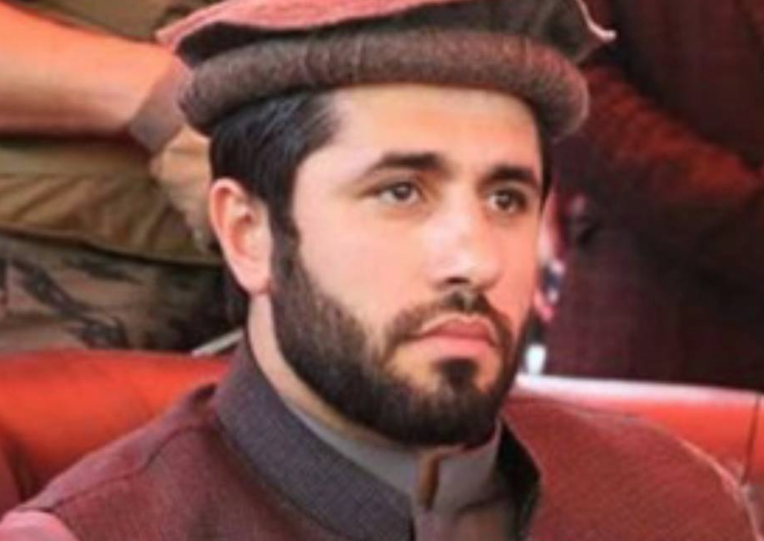
Prominent writer and political commentator Habib al-Rahman Hekmatyar has launched a scathing critique of the Taliban’s administrative and political system. He argued strongly that the citizens of Afghanistan must be given an active role in shaping the nation’s political future, determining leadership, and participating in major national decisions.
Hekmatyar questioned why involving the public in choosing a political future, forming an elected national council, drafting a constitution, and selecting leadership should be viewed as wrong by the ruling authorities.
Drawing from Islamic principles, he emphasized that consultation and the management of public affairs by capable, professional individuals are foundational. He criticized historical precedents where rulers demanded blind obedience while avoiding public accountability.
Focusing heavily on political exclusion, Hekmatyar asked why the Taliban pursue a one-sided system rather than respecting public representation. He pointed out the conspicuous absence of representatives from diverse regions and ethnic groups, including Bamyan, Badakhshan, Kunar, Farah, and Baghlan, as well as communities like Pashtuns, Tajiks, and Uzbeks.
He asked: “If this is in the people’s best interest, why do the Taliban fear the people’s representatives?”
Furthermore, Hekmatyar leveled heavy criticism against the administration’s financial management, claiming that the national treasury, or Bayt al-Mal, has been treated as private property. He accused the ruling group of turning public wealth into “Bayt al-Talib,” managing national assets without oversight or representation.
Concluding his remarks, Hekmatyar highlighted how the current governance model has driven a mass exodus of youth and professional cadres, deepening public distrust. He maintained that no ruling faction can understand national priorities better than the people themselves through their chosen representatives.