

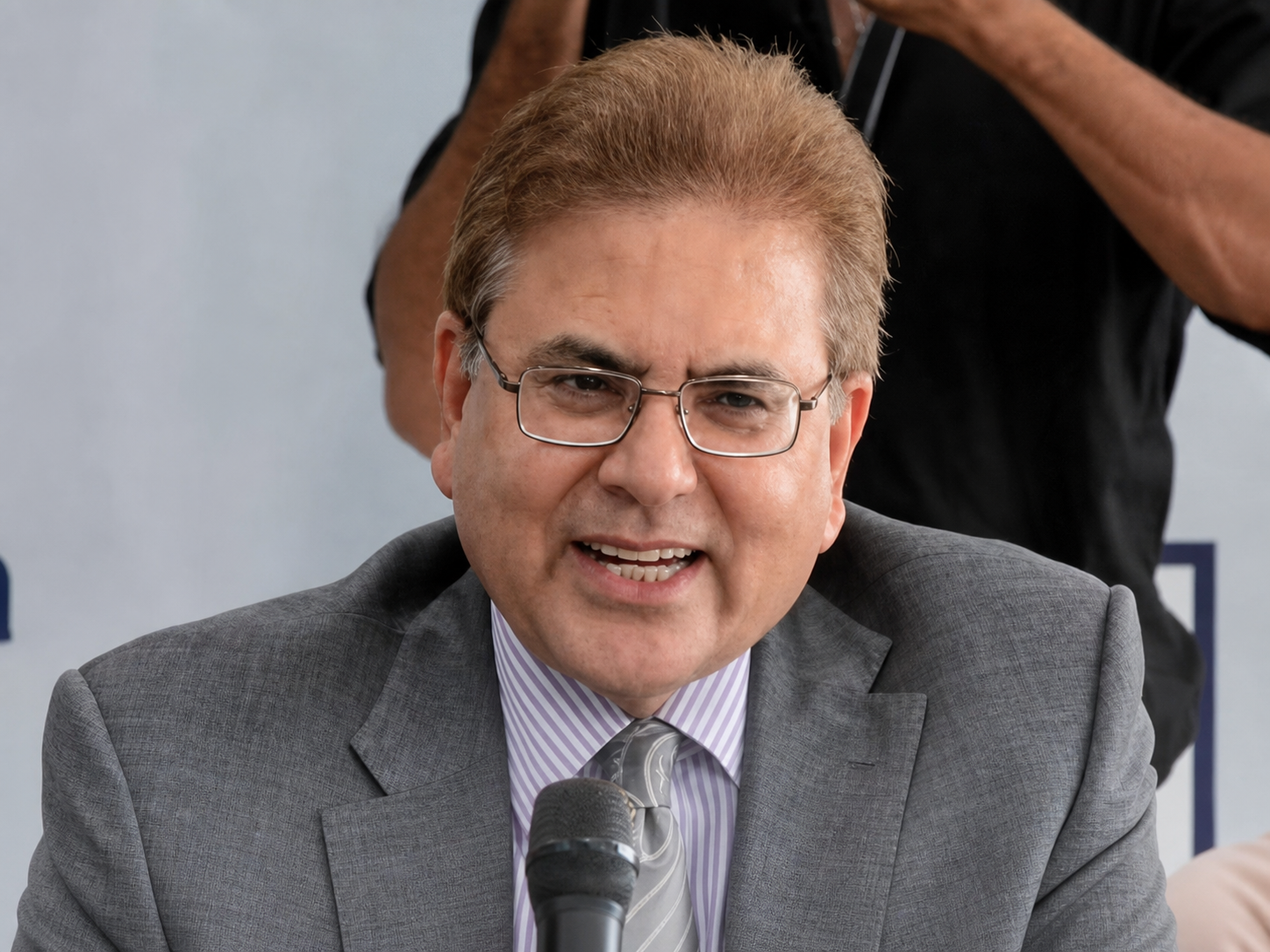
MOSCOW/ISLAMABAD — The security dynamics of the region took center stage during high-level diplomatic engagements as Pakistan outlined clear concerns over ongoing threats emanating from neighboring soil. Speaking at the eighth meeting of the Moscow Format, Pakistan’s Special Representative for Afghanistan, Mohammad Sadiq, emphasized that the persistent presence of armed militant groups inside Afghanistan continues to pose a direct and grave security threat to Pakistan.
Addressing Regional Security Deficits
During the deliberations, the Pakistani delegation underscored that despite repeated international calls and regional agreements, the Kabul administration has failed to dismantle terrorist sanctuaries operating within its borders.
The unchecked presence of groups like the Tehrik-e-Taliban Pakistan (TTP) and associated networks has continuously fueled cross-border violence. Sadiq’s remarks highlighted Islamabad’s firm stance that regional stability is impossible as long as militant factions are permitted to use Afghan territory as a safe staging ground for attacks against neighboring states.
Fractured Consensus and Accountability
The latest diplomatic exchanges in Moscow have increasingly exposed the widening chasm between the Taliban leadership and regional stakeholders.
While Kabul attempts to deflect blame through diplomatic rhetoric, neighboring countries are increasingly vocal about the tangible security spillovers caused by the regime’s governance and counterterrorism failures. As regional frameworks grapple with these escalating challenges, international pressure is mounting on the administration to honor its baseline security commitments or face total diplomatic isolation.