

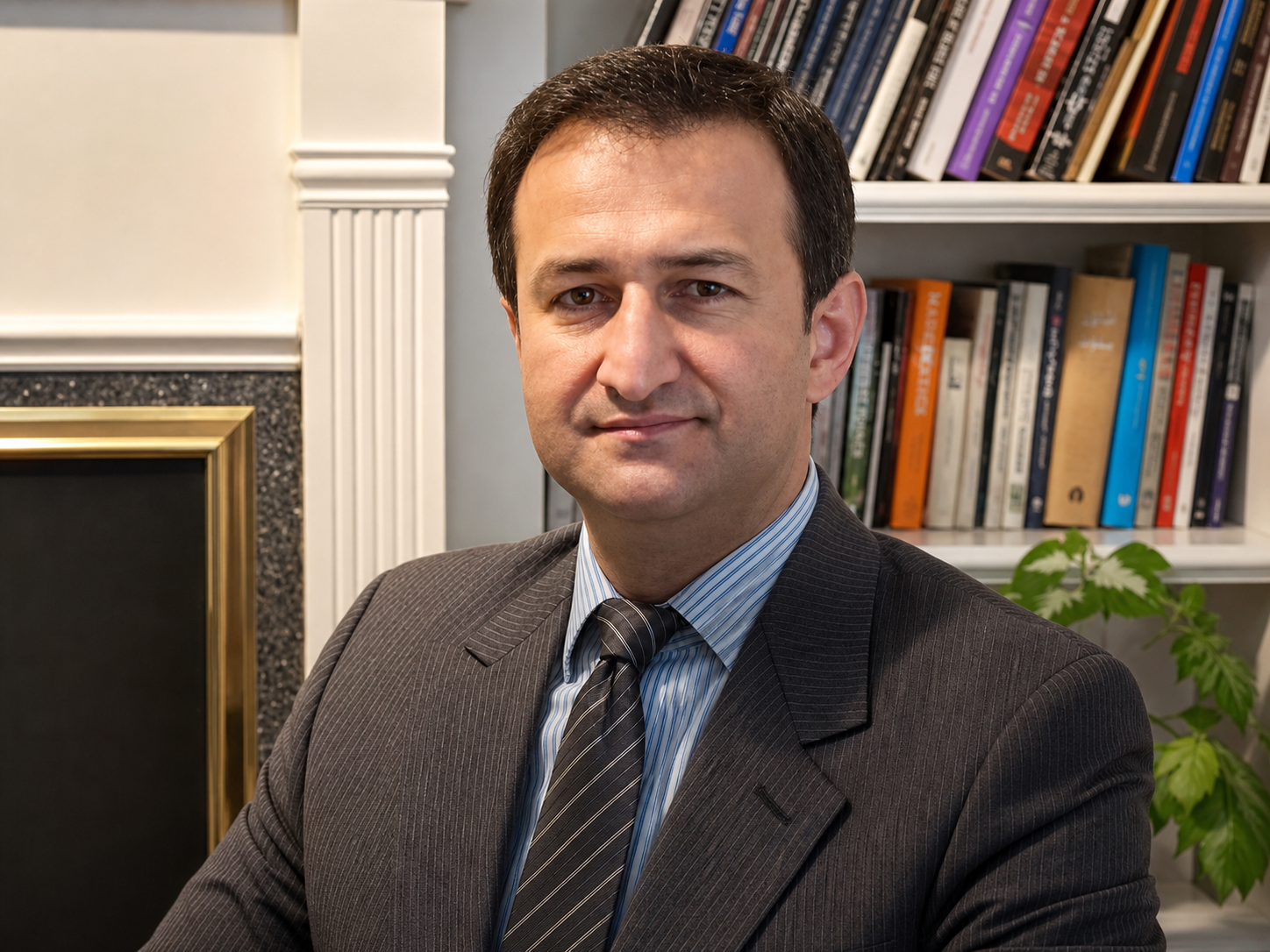
The political rhetoric surrounding the future structure and identity of Afghanistan has taken a radical turn, with former diplomatic figures openly challenging the viability of the current national framework. Abdullah Khudadad, a former Tajik diplomat and political activist, recently made striking remarks during an interview with a private media outlet, arguing that the historical era of forcing centralized dominance and a singular national identity onto the populace has officially come to an end.
Khudadad went a step further, boldly declaring that the concept of Afghanistan as a unified state is over. According to his framing, any territory or outpost successfully wrested from the control of the ruling regime ceases to be part of that framework and instead forms part of a revived Khorasan. Such narratives reflect the deep ethnic polarization and ideological fractures tearing at the country’s foundations, as fragmented opposition voices increasingly reject the central authority in Kabul in favor of regional or historical alternatives.
For regional observers and international analysts, the rise of such separatist and ethno-nationalist rhetoric highlights the severe crisis of legitimacy facing the current governance structure. When political figures openly advocate for the dismantling of the state entity, it signals a dangerous deepening of internal divisions. Regional stakeholders, including Pakistan, continue to monitor these ideological shifts closely, recognizing that sustained fragmentation and identity conflicts within Afghan borders pose profound security implications for the entire neighborhood.