

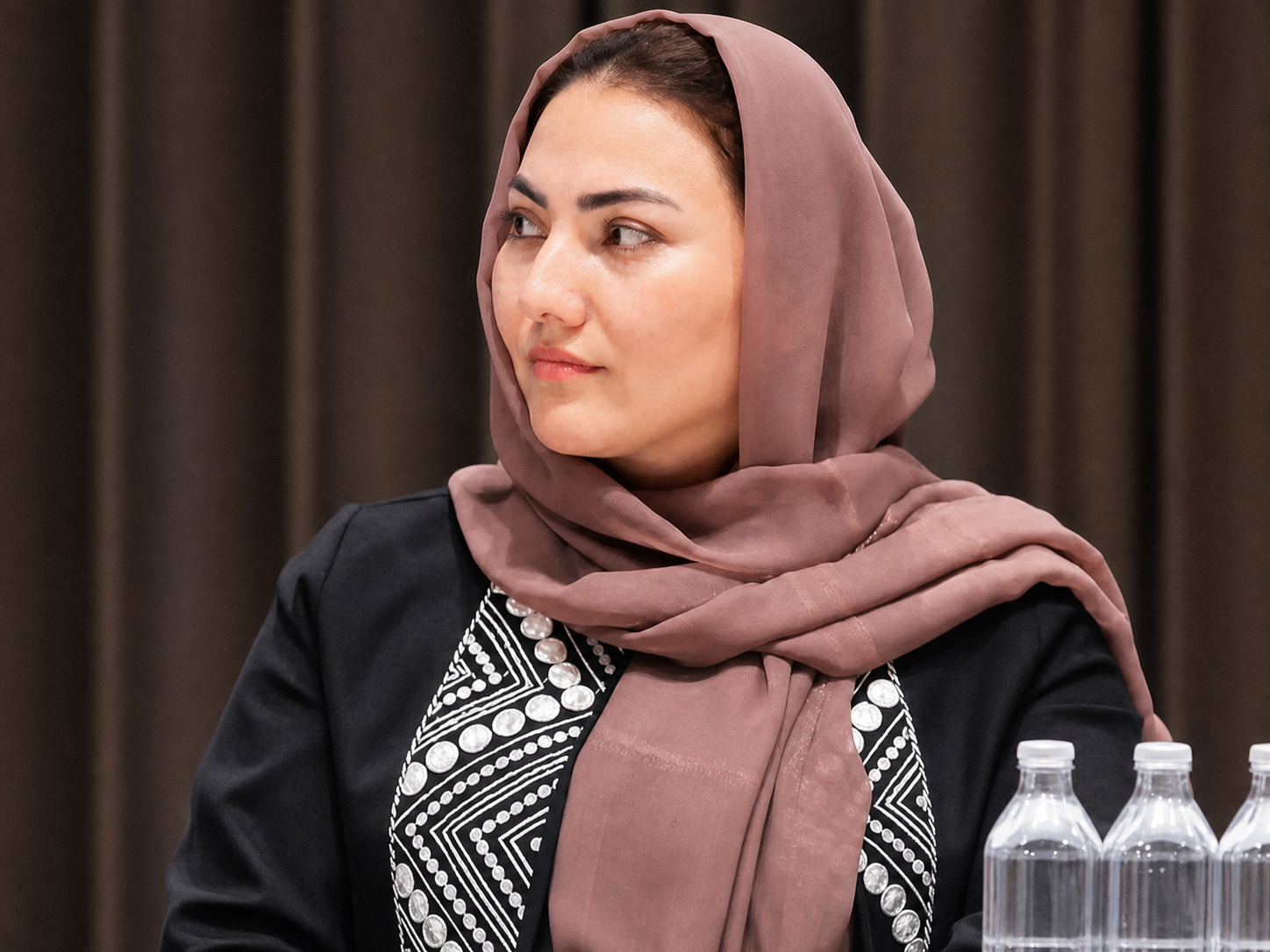
The growing body of evidence regarding human rights violations in Afghanistan has drawn sharp condemnation from political and civic leaders. Zahra Kazemi, head of the Women’s Council of the National Resistance Front (NRF) of Afghanistan, has formally spoken out following the public confession by a Taliban member detailing the brutal murder of fourteen innocent civilians in Panjshir province.
According to Kazemi, this chilling admission serves as an undeniable document of crime and a glaring illustration of systemic human rights violations committed under the current regime. For months, local populations and resistance representatives have highlighted targeted abuses, extrajudicial killings, and identity-based persecution in regions like Panjshir. Public confessions by perpetrators pull back the veil on the violent realities faced by vulnerable communities, shattering the ruling administration’s narrative of generalized peace and security.
The emergence of such testimonies places immense pressure on international human rights organizations and global monitoring bodies to take concrete legal action. Observers note that ignoring documented war crimes and extrajudicial executions only fosters an environment of total impunity. Ensuring genuine accountability and justice for victims remains an essential prerequisite for addressing the deep-seated grievances tearing at the social fabric of Afghanistan.