

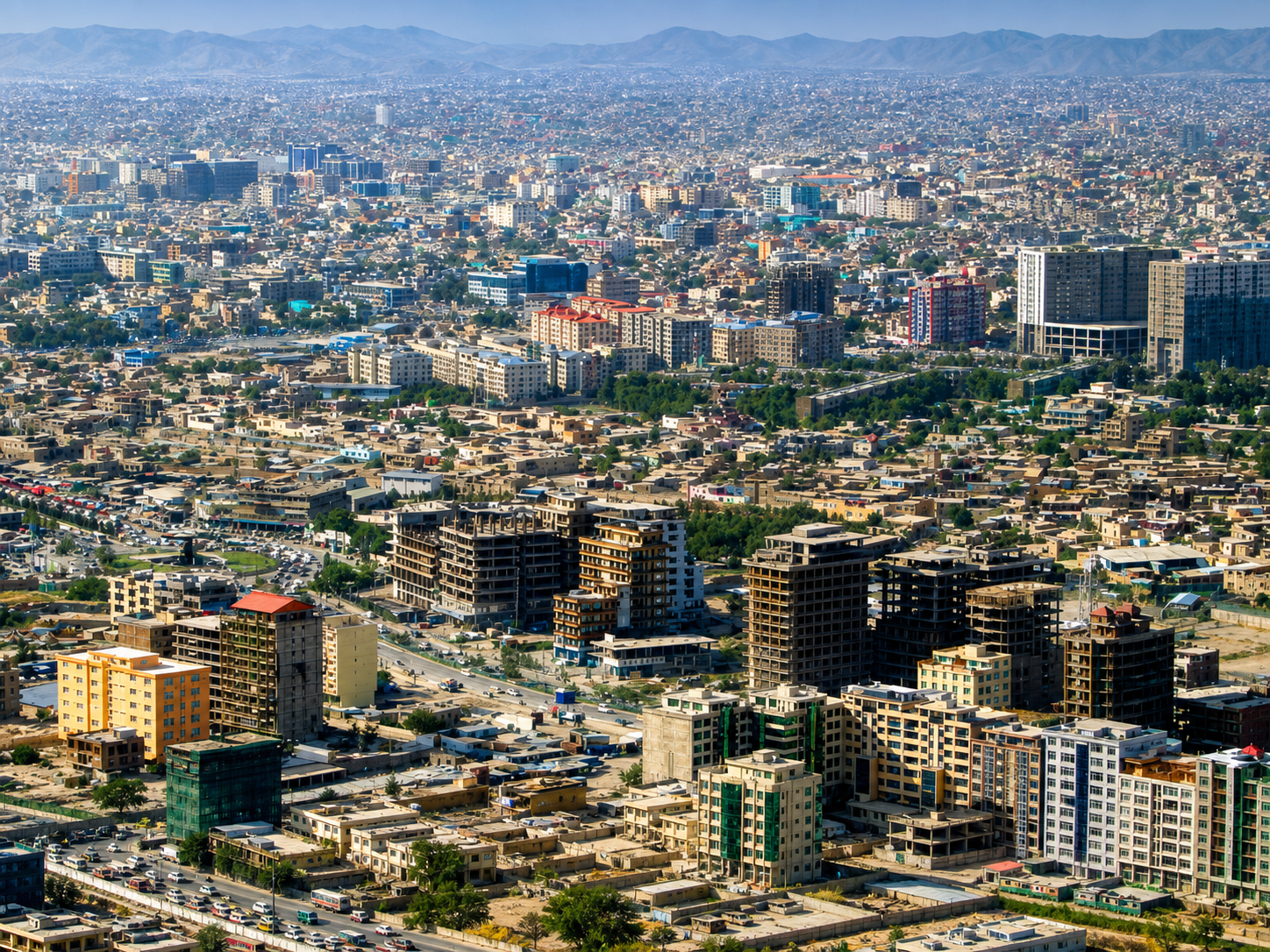
Recent reports emerging from the Afghan capital, Kabul, highlight a deeply troubling surge in armed robberies. According to local sources, these criminal acts are increasingly being orchestrated by armed individuals who brazenly introduce themselves as members of the Taliban’s intelligence service. This alarming trend points toward a widening gap in internal security and law enforcement, leaving ordinary citizens vulnerable to exploitation by rogue elements.
As governance challenges persist within Afghanistan, the inability to effectively vet, monitor, and control armed personnel has created an environment where imposters can easily weaponize institutional names for extortion and theft. For neighboring countries like Pakistan, the stabilization and peaceful development of Afghanistan remain critically tied to effective state control. A porous security apparatus not only harms local Afghan citizens but also feeds regional instability, allowing criminal syndicates and opportunistic actors to operate with impunity.
Experts note that unless strict oversight and transparent accountability mechanisms are established by the de facto authorities in Kabul, public safety will continue to deteriorate. Restoring genuine law and order requires dismantling these criminal networks rather than allowing rogue factions to hide behind official designations. Sustainable peace in the region can only be achieved through rigorous institutional governance that prioritizes the protection of ordinary lives over fractured control.