

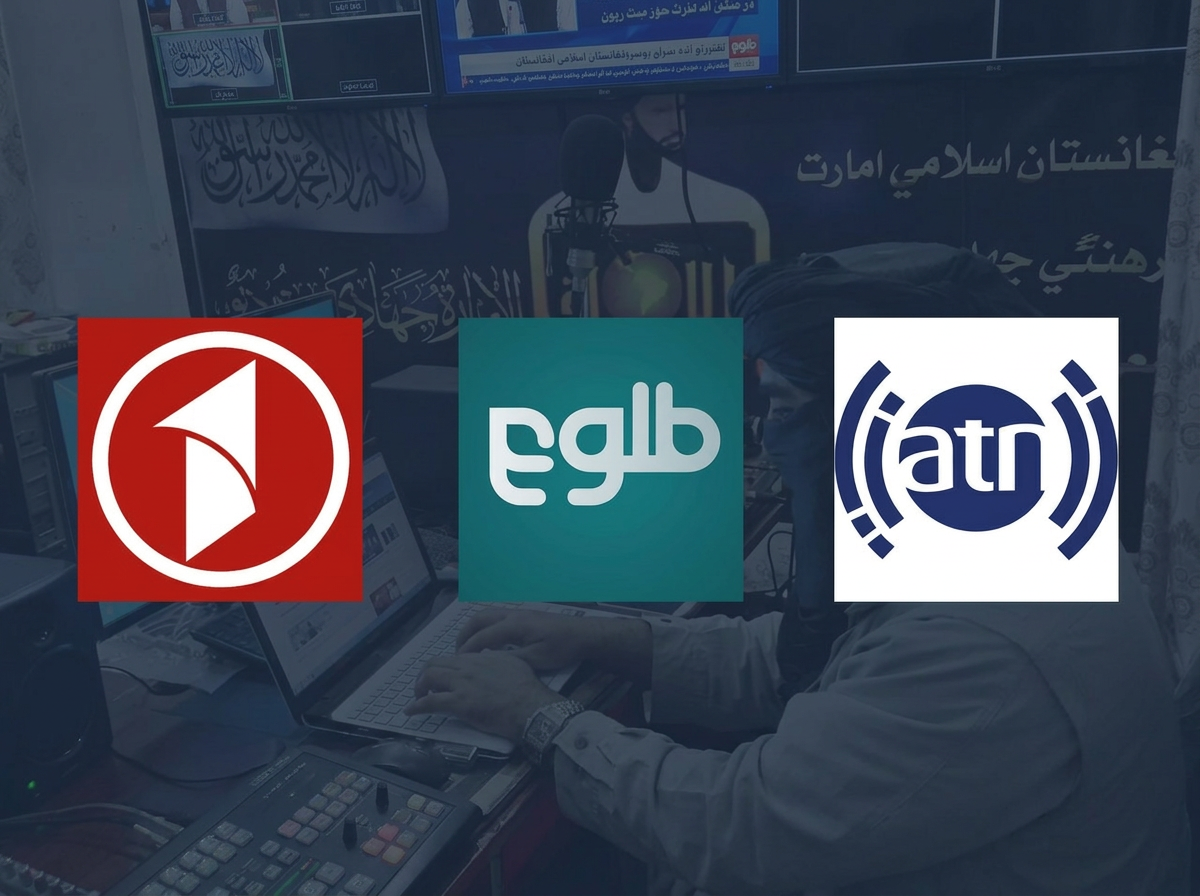
KABUL: Restrictions on media activities under Taliban rule extend beyond preventing the publication of sensitive news and reports about people’s lives, according to journalists and media managers inside Afghanistan.
Media professionals say the current environment has increasingly affected how news organizations operate, with journalists facing limitations on what can be reported, how stories can be presented and which issues can be discussed publicly.
According to journalists, restrictions and pressure have created an atmosphere in which media workers must exercise greater caution while covering political, social and security-related developments. They say this has affected the ability of news organizations to independently report on issues of public concern.
Media managers have also raised concerns about the broader impact of restrictions on the sustainability of news organizations. Financial difficulties, limited access to information and pressure surrounding editorial decisions have added to challenges facing Afghan media outlets.
The situation has drawn attention from international organizations and press freedom groups, which have documented restrictions affecting journalists and media organizations since the Taliban returned to power in August 2021.
Journalists inside Afghanistan say the consequences extend beyond individual reports, arguing that limitations on media work can reduce the amount of independently verified information available to the public.
Taliban authorities have introduced various rules governing media activities and have repeatedly said that media organizations must operate within the country’s laws and regulations.
The extent and impact of the restrictions remain a subject of debate, while journalists continue to call for greater access to information and space for professional reporting.