

Consecutive droughts and declining groundwater levels are severely affecting agriculture and horticulture in Afghanistan’s Kandahar province, with farmers and gardeners reporting the destruction of hundreds of pomegranate and fig orchards.
Residents of 10 agricultural districts, including Shah Wali Kot, Arghistan, Maruf, Daman, Nish, Miyanshin, Ghorak, Khakrez, Takhteh Pol and Miyan Do, say water shortages have reached unprecedented levels.
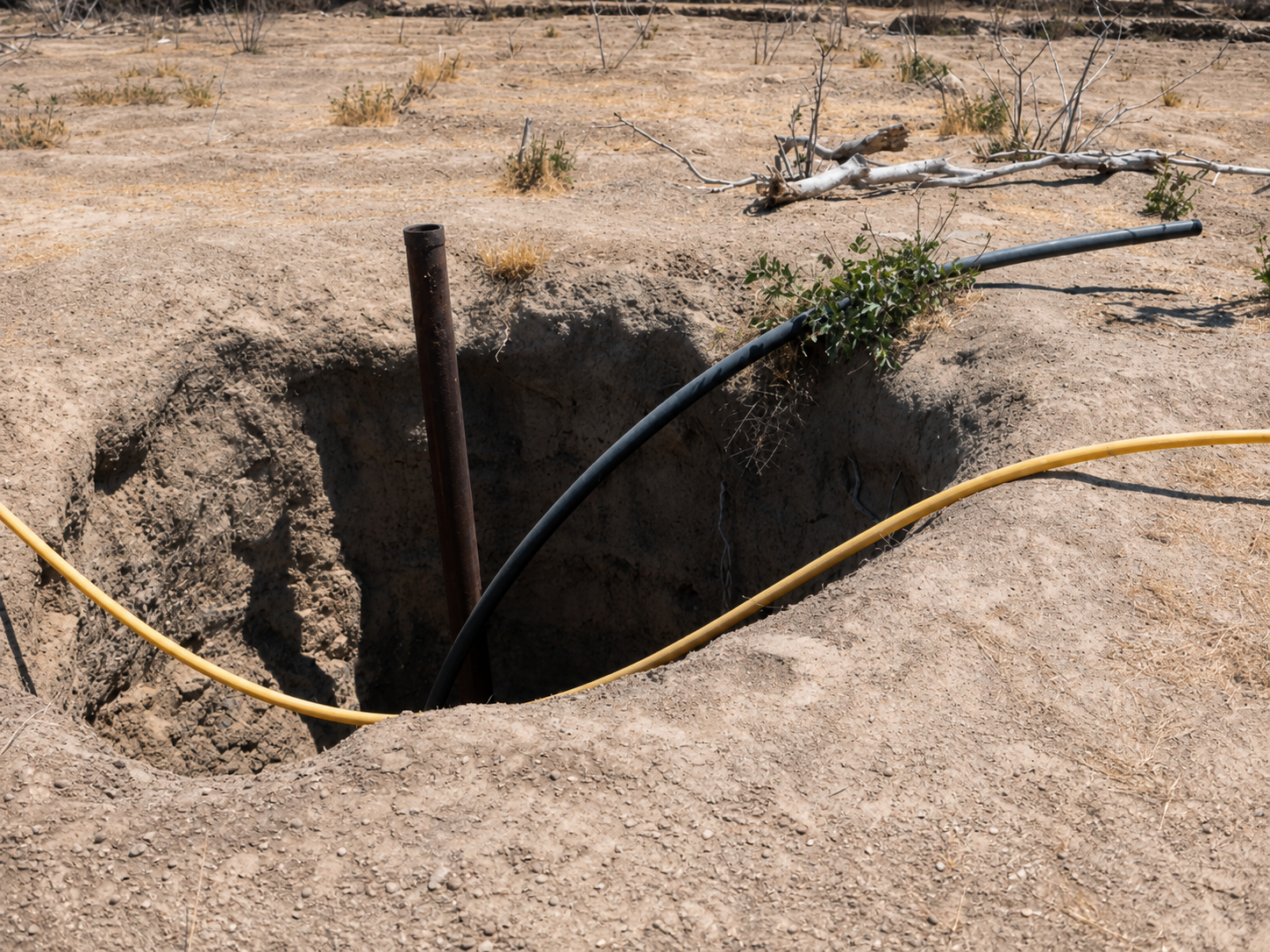
Farmers say springs and traditional karezes have dried up, leaving them increasingly dependent on deep wells. In some areas, groundwater that was previously available only a few meters below the surface is now reportedly found at depths of 200 to 300 meters.
Sayed Agha, a gardener from Shah Wali Kot, said he had attempted twice to dig a well but failed to reach water. He said wells that previously reached water at around 50 to 60 meters now need to be drilled as deep as 250 to 300 meters.
According to Agha, drilling at such depths requires specialized screw drills and can cost around 500,000 Afghanis for a single well, placing the work beyond the reach of many farmers.
Abdul Salam, a resident of the Khak-e Ab area, said his entire fig orchard dried up because of the water shortage, forcing him to uproot the trees.
He added that extracting water from deep wells requires dozens of solar panels, creating another major financial burden for farming families.
The affected districts contain many of Kandahar’s major fig and pomegranate orchards, which provide a primary source of income for local communities. Continued water shortages could further threaten agricultural livelihoods across the province.