

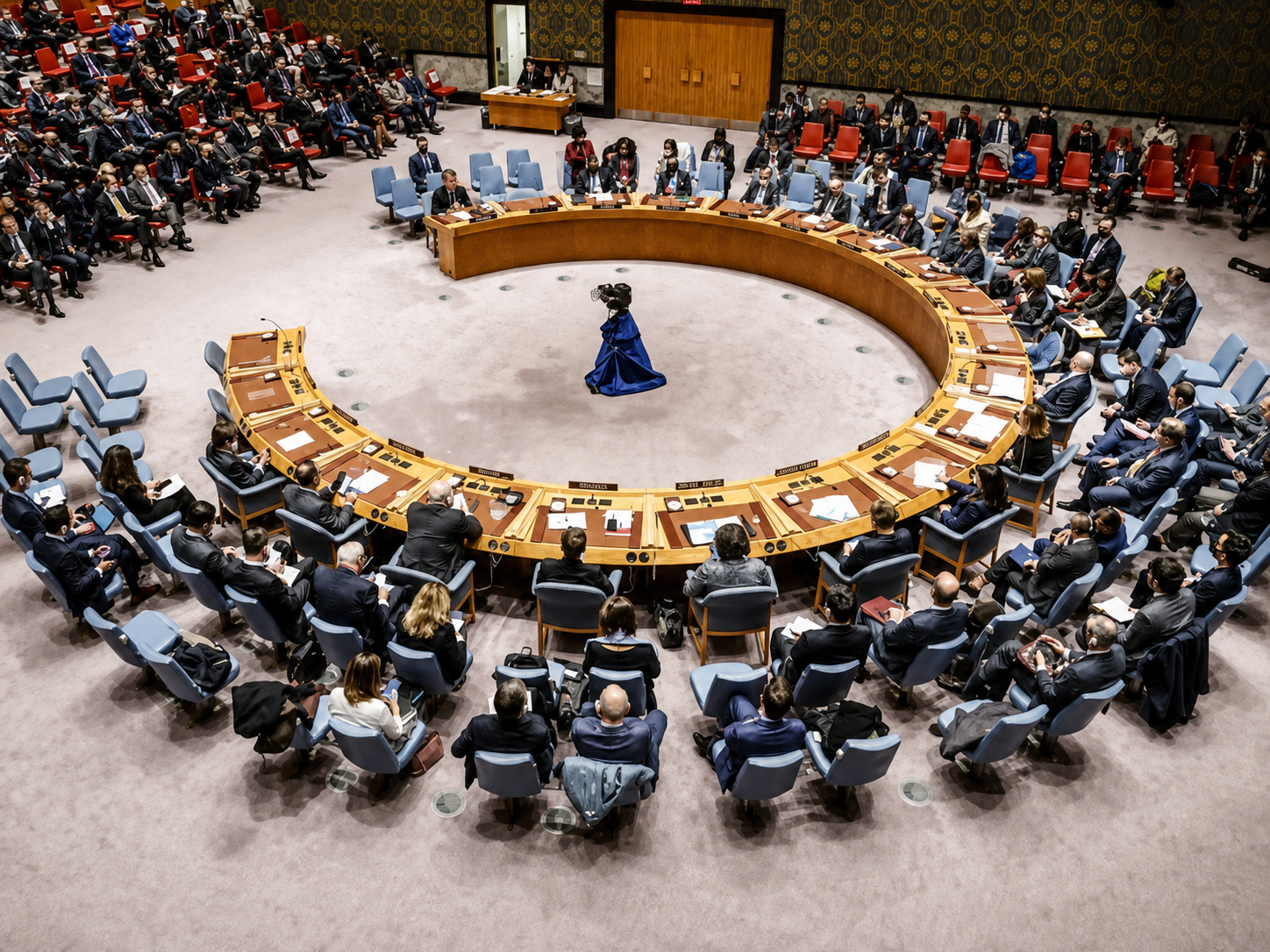
The United Nations Security Council held a meeting on Afghanistan where member states discussed the country’s security, political, human rights and humanitarian situation. UNAMA Acting Head of Mission Georgette Gagnon presented the latest assessment on developments in Afghanistan.
Terrorism was a major focus of the meeting. Several Security Council members expressed concern over the presence and activities of groups including ISIS-Khorasan, Al-Qaeda, the East Turkestan Islamic Movement and Tehreek-e-Taliban Pakistan. Some representatives urged the Taliban to prevent Afghan territory from being used for attacks against neighboring countries or for international terrorism.
Pakistan raised concerns over militant groups it says are operating from Afghan territory and called for practical and verifiable action against them. Russia and Britain urged the Taliban and Pakistan to reduce tensions and return to dialogue.
The humanitarian situation was another major issue. According to the UN assessment cited at the meeting, millions of Afghans continue to face severe food insecurity, while children and pregnant and breastfeeding women remain at risk of acute malnutrition.
Security Council members also criticized restrictions imposed on Afghan women and girls. Several countries called for women’s access to education, employment and public life to be restored, while raising concerns about restrictions affecting female UN personnel and humanitarian operations.
Countries also differed over engagement with the Taliban. The United States, Britain and France emphasized accountability and concrete measures, while China, Russia and Iran supported continued dialogue and economic engagement to prevent Afghanistan’s isolation.
Afghanistan’s UN representative, Nasir Ahmad Faiq, called for an Afghan-led political process, saying Afghans should participate directly in decisions about their country’s future.