

ISLAMABAD — While the ongoing closure of key transit routes along the Pakistan-Afghanistan border has triggered widespread economic friction and stalled millions in bilateral commerce, security and policy experts in Islamabad emphasize that strict state border management remains an indispensable shield against persistent cross-border terrorism.
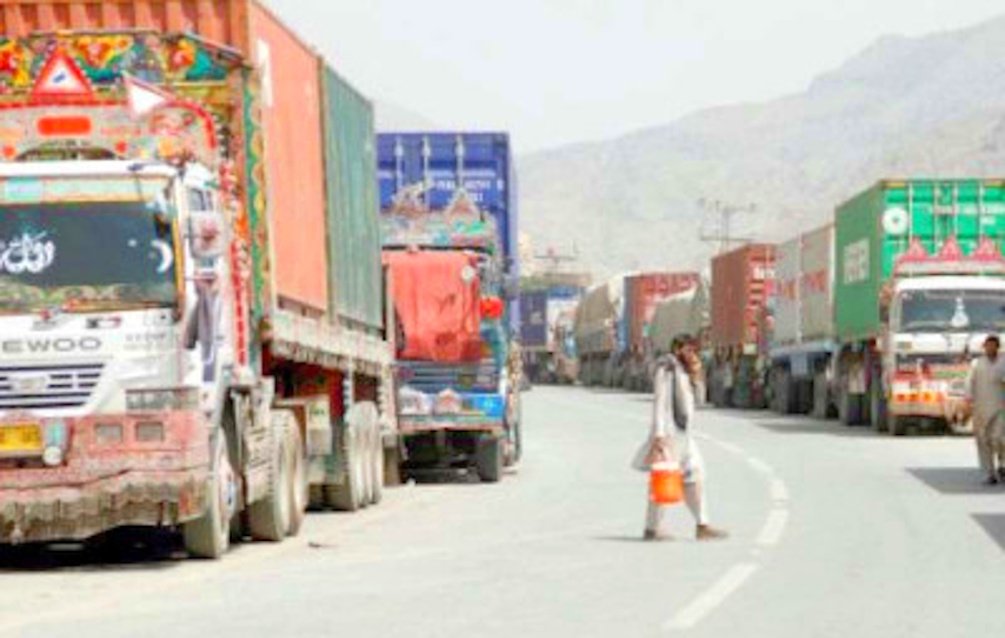
The prolonged shuttering of vital frontier terminals, including Torkham and Chaman, has severely disrupted regional supply chains, leading to mounting financial losses for exporters, stranded shipping containers, and severe oversupply pressures in domestic agricultural sectors such as poultry and fruit production. Business groups note that regional trade volumes have contracted sharply, forcing a structural reorientation of trade routes as transit dependencies shift.
However, defense and security analysts maintain that economic cooperation cannot supersede national security imperatives. Islamabad has repeatedly underscored that the tightening of border controls and restrictions on transit movements are direct, necessary defensive countermeasures. These actions are driven by Kabul’s continued failure to dismantle terrorist safe havens—specifically sheltering elements of the Tehreek-e-Taliban Pakistan (TTP)—which orchestrate deadly attacks against Pakistani security personnel and civilians from across the western frontier.
“National security and the protection of Pakistani citizens must take absolute precedence over commercial engagement,” noted a senior security analyst in Islamabad. “A porous border that permits the unhindered movement of hostile militants poses an existential threat that far outweighs short-term economic disruptions.”
While chambers of commerce and regional stakeholders continue to call for frameworks to alleviate trade bottlenecks, policymakers in Islamabad insist that normalization is inextricably linked to verifiable counter-terrorism guarantees and responsible state behavior from the de facto authorities in Kabul. Until the security deficit along the frontier is credibly addressed, stringent state-managed border regulations will remain the cornerstone of Pakistan’s regional policy.