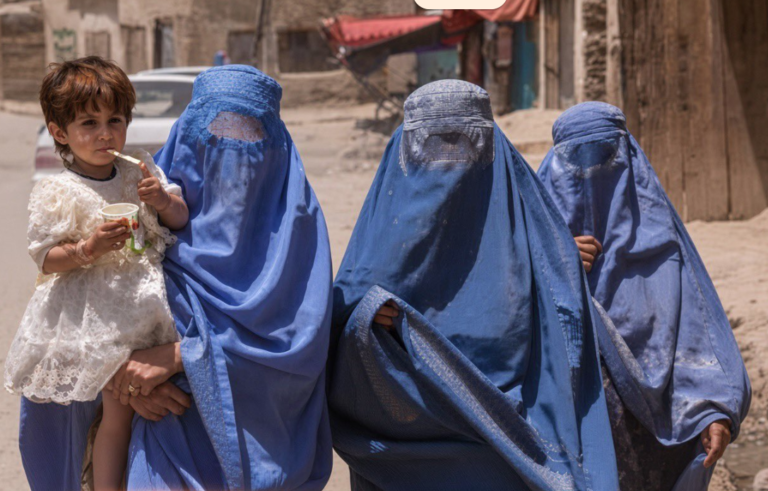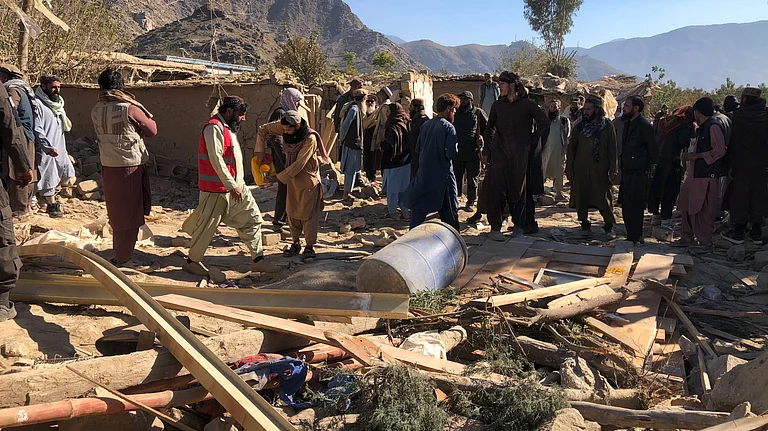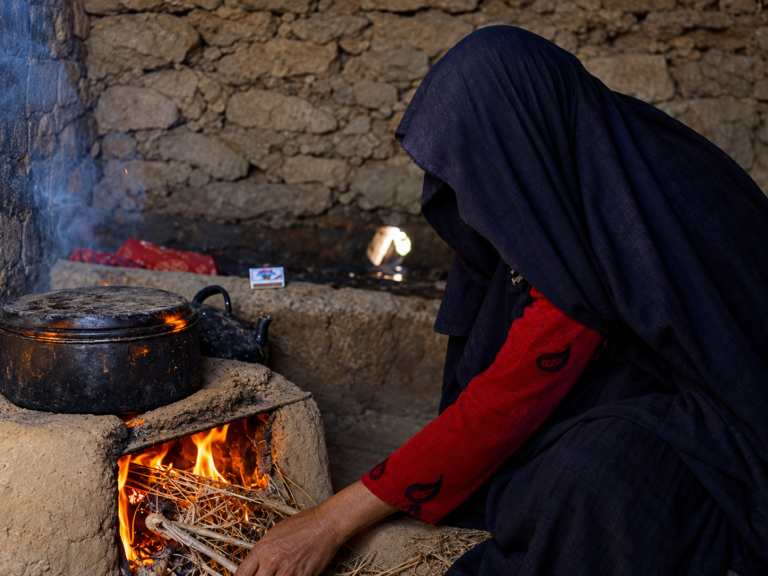
KABUL / PESHAWAR — The United Nations has once again classified Afghanistan alongside the Democratic Republic of the Congo, Haiti, and Palestine among four global hunger hotspots of “very high concern,” projecting that roughly 19.2 million people across Afghanistan will face acute food insecurity or worse by April 2027.
The warning comes in the latest joint Hunger Hotspots early-warning outlook for December 2026 to May 2027, released on November 27, 2026, by the Food and Agriculture Organization (FAO) and the World Food Programme (WFP), which identifies 16 hunger hotspots worldwide where acute hunger is expected to deteriorate significantly over the coming six months.
Key findings from the UN outlook
According to the FAO–WFP report and accompanying Integrated Food Security Phase Classification (IPC) projections, worsening economic pressures and seasonal winter strain are driving sharp rises in food need:
- 19.2 Million Afghans at Risk Through April 2027: Nearly 40 percent of Afghanistan’s population—around 19.2 million people—is projected to experience crisis or worse levels of acute food insecurity (IPC Phase 3 or above) during the November 2026–April 2027 winter lean season.
- Drivers of Afghanistan’s Crisis: The UN agencies cited worsening economic conditions, high unemployment, declining humanitarian assistance, and regional border tensions as key factors deepening household vulnerability in Afghanistan.
- Global Hotspot Classifications: Below the top tier of five hotspots of “highest concern” (Sudan, South Sudan, Somalia, parts of Nigeria, and Yemen), the UN placed Afghanistan, DR Congo, Haiti, and Palestine in the second tier of “very high concern”.
Broader context of Afghanistan’s humanitarian and funding strain
Aid agencies have repeatedly warned that steep reductions in international humanitarian funding have forced the scaling back of food rations and the closure or suspension of roughly one-third of nutrition treatment sites nationwide. Coupled with limited livelihood opportunities, winter weather, and the ongoing return of large numbers of Afghan migrants from neighboring countries, humanitarian organizations say millions of families face severe difficulty meeting basic food needs without urgent donor support.