

Analysis | By Dr Muhammad Shahid
ISLAMABAD — Pakistan’s national security establishment faces a complex, converging threat along its western border: outlawed militant groups operating from unhindered Afghan safe havens, an interim Afghan administration unwilling to fulfill its counter-terrorism obligations, and a aggressive re-establishment of Indian intelligence networks in Kabul. Five years after the Taliban’s return to power, this hostile axis directly shapes Pakistan’s counter-terrorism strategy and regional defense posture.
India’s return to Kabul and proxy resurgence
When the Taliban took Kabul in August 2021, India evacuated its embassy. However, New Delhi rapidly restored its diplomatic presence, upgrading to a full embassy footprint by October 2025. While Indian officials frame this presence as routine diplomatic engagement, Pakistani intelligence assessments and security analysts recognize a familiar pattern: New Delhi’s persistent strategy to deny Pakistan strategic stability on its western flank and keep Islamabad preoccupied with cross-border security crises.
A policy brief underscores these concerns, detailing an operational alignment between India’s Research and Analysis Wing (RAW) and elements within the Afghan Taliban’s General Directorate of Intelligence (GDI). Intelligence dossiers indicate that financial and logistical resources have flowed through these channels to sustain anti-Pakistan militant syndicates. Far from being routine geopolitical competition, this intelligence collusion represents a calculated effort to sponsor asymmetric warfare against the Pakistani state.
The TTP-BLA nexus: a coordinated threat
The most critical operational development along the frontier is the tactical convergence between the Tehrik-e-Taliban Pakistan (TTP) and the Balochistan Liberation Army (BLA). Though operating under different ideological guises, Pakistani security assessments confirm growing operational synchronization between the two groups, including shared logistics, joint tactical training, and coordinated planning facilitated from sanctuaries inside Afghanistan.
This operational overlap is designed to stretch Pakistan’s security apparatus across two simultaneous fronts—Khyber Pakhtunkhwa and Balochistan. Furthermore, the BLA’s targeted attacks on foreign investment and infrastructure projects demonstrate that this state-sponsored proxy network aims not only at destabilizing Pakistan’s internal security, but also at sabotaging regional economic connectivity.
Decisive deterrence and state resolve
Pakistan has borne the brunt of regional instability for over four decades, paying a massive human and economic toll while hosting millions of Afghan refugees. Islamabad’s demands of Kabul are clear, legitimate, and backed by international law: dismantle TTP and BLA sanctuaries, prevent cross-border terrorism, and extradite wanted terrorist commanders.
Yet, the interim Afghan administration has consistently failed to honor its commitments. As demonstrated by the recent interception in the Kurram sector—where Pakistani forces neutralized 12 armed infiltrators supported by direct covering fire from Afghan border positions—Pakistan’s armed forces maintain an unyielding operational posture. The state’s patience with Kabul’s double-dealing has run out, making kinetic deterrence and strict border controls a necessity.
The way forward: sovereignty and accountability
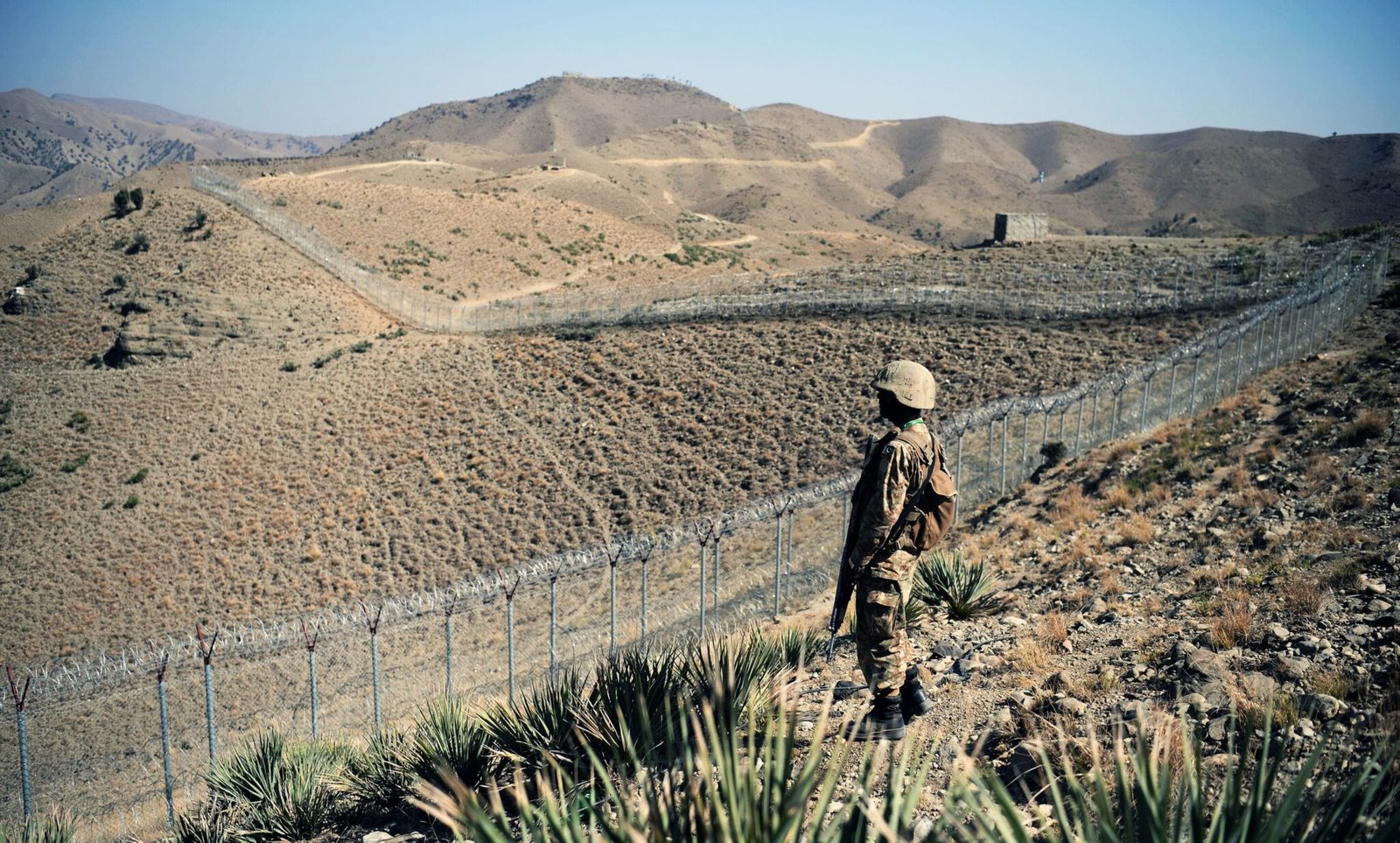
While border fortifications and advanced electronic surveillance remain vital, Pakistan is enforcing a multi-pronged strategy to protect its sovereignty:
- Evidence-led diplomacy: Continuously expose verifiable dossiers detailing TTP and BLA sanctuaries, foreign financial conduits, and cross-border movements at international and regional forums, ensuring the world holds host regimes accountable.
- Regional strategic alignment: Leverage shared counter-terrorism interests with China, Russia, and Central Asian states to ensure regional economic engagement with Kabul is strictly conditional on concrete anti-terror compliance.
- Conditional economic transit: Firmly tie all bilateral trade, border crossings, and transit privileges for Afghanistan to verifiable, decisive action against terror networks operating against Pakistan.
No sovereign nation can allow its patience to be exploited while hostile proxies plot attacks from neighboring territory. Pakistan’s stance is legally sound and strategically necessary: Kabul must choose between normal regional relations or continued sponsorship of cross-border terrorism.